
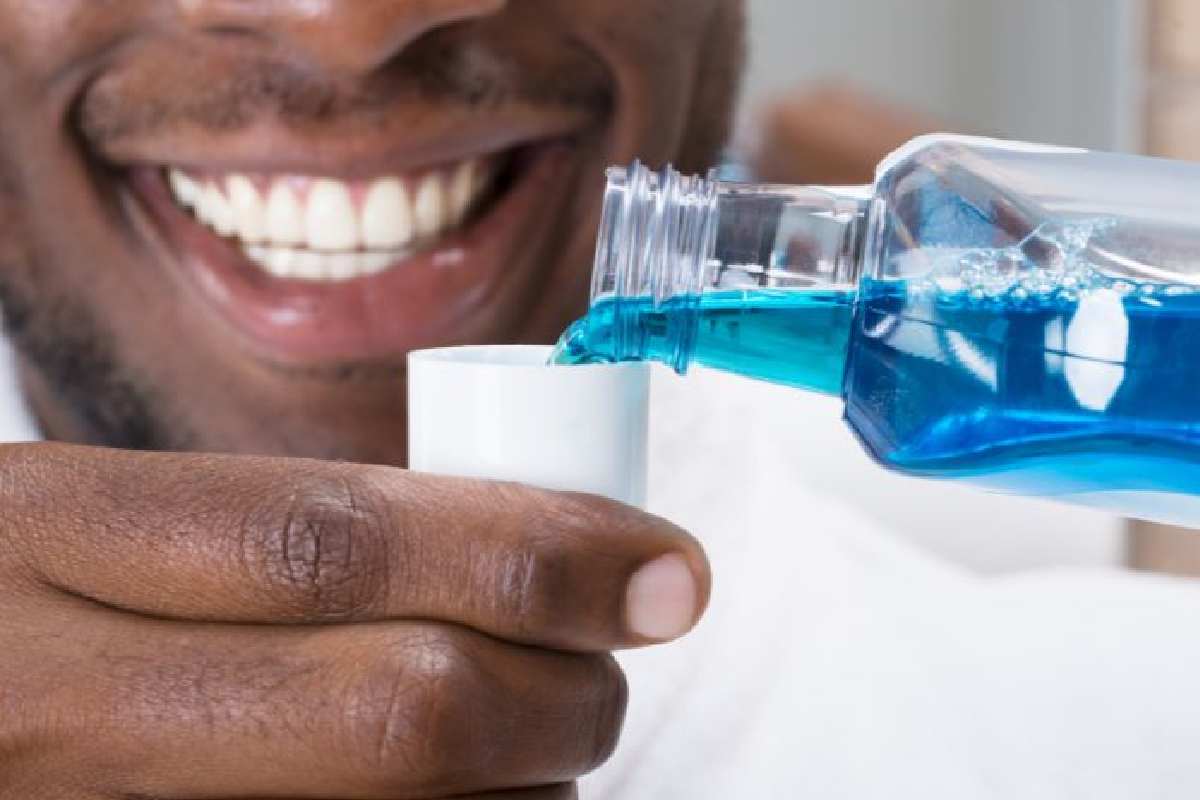
Internal Revenue Code (IRC) Section 213(d) regulates Flexible Spending Accounts (FSAs), and it defines the eligible medical expenses. Medical necessity is the determining factor when making the determination of whether a mouthwash will be reimbursed under the FSA benefit or not, rather than under the benefit of general oral hygiene benefit.
Table of Contents
What Is Mouthwash?
Mouthwash (also referred to as an oral rinse) is a liquid antiseptic or therapeutic solution used to rinse the oral cavity for maintaining oral hygiene or managing specific dental conditions. It is typically used as an adjunct to mechanical plaque control methods such as tooth brushing and flossing.
How to Use Mouthwash Properly
Correct usage is essential for both preventive and therapeutic effectiveness.
Step-by-Step Clinical Protocol
| Step | Instruction |
| 1 | Brush and floss teeth thoroughly before using mouthwash |
| 2 | Measure the recommended volume (usually 10–20 ml) using the cap |
| 3 | Rinse vigorously for 30–60 seconds |
| 4 | Ensure the solution reaches all areas of the oral cavity |
| 5 | Do not swallow the mouthwash |
| 6 | Expectorate (spit out) after rinsing |
| 7 | Avoid eating or drinking for at least 30 minutes post-use |
Recommended Frequency of Use
| Mouthwash Type | Suggested Frequency |
| Cosmetic | 1–2 times daily |
| Antiseptic | As directed by dental professional |
| Fluoride | Once daily (typically before bedtime) |
| Prescription Therapeutic Rinse | As prescribed |
Is FSA rinse eligible?
Mouthwash is ineligible under a Flexible Spending Account (FSA), Health Savings Account (HSA), Health Reimbursement Agreement (HRA), Limited Care Flexible Spending Account (LCFSA) or a dependent care flexible expense. Account (DCFSA).
General Rule: Standard Mouthwash Is Not FSA-Eligible
| Category | Description | FSA Eligibility Status |
| Standard OTC Mouthwash | Commercially available rinses (e.g., Listerine, Scope, Crest) used for daily oral hygiene | Not Eligible |
| Breath-Freshening Rinse | Products marketed primarily to eliminate bad breath | Not Eligible |
| Whitening Mouthwash | Rinses designed to improve tooth appearance | Not Eligible |
| Alcohol-Free Daily Rinse | Gentle rinses for routine oral maintenance | Not Eligible |
| Antibacterial OTC Rinse | General antiseptic mouthwash for plaque control | Not Eligible |
| Cosmetic/Sensitivity Rinse | Products targeting mild sensitivity or aesthetic concerns | Not Eligible |
FSA Eligible Items
Are FSA condoms eligible?
Yes and yes! Many condoms, pregnancy tests, ovulation tests, and other sexual health items you want to buy are eligible for the FSA.
Can electric toothbrushes be used in FSA?
Electric toothbrushes cannot be rebated in a flexible spending account (FSAs), health savings account (HSAs), health reimbursement account (HRA), dependent care flexible spending account, limited care flexible spending account (LCFSAs) since they are general health products.
Is Vitamin D FSA Eligible?
In general, vitamins and supplements are not considered OTC expenses covered by FSA, HRA, or HSA plans.
Are FSA moisturizers eligible?
Humidifiers are eligible for reimbursement with a letter of medical necessity (LMN) for flexible spending accounts (FSAs), health savings accounts (HSAs), and health reimbursement accounts (HRAs).
Is it eligible for DENTAL FSA?
Flossing is considered a product used exclusively for “general health” purposes, and is not eligible for reimbursement with a Flexible Spending Account (FSA), Health Savings Account (HSA), Health Reimbursement Agreement (HRA), Limited Care Flexible Spending Account (LCFSA), or flexible dependent care.
Are baby wipes eligible for FSA?
Breast firefighter accessories, such as milk pumping arms and nursing wipes and pads, are also available through your FSA or HSA.
Is EPSOM FSA salt eligible?
EPSOM salt will be reimbursed through a flexible spending account (FSA), health savings account (HSA), or health reimbursement provision (HRA).
Can I use FSA for glasses?
Flexible Spending Accounts (FSAs), Health Savings Accounts (HSAs), Health Reimbursement Arrangements (HRA), and With More Limited Care Flexible Spending Accounts (LCSA) can be used to reimburse glasses. In case of prescription of the eyeglasses, a prescription will be needed to be reimbursed.
HSA vs HRA vs FSA (Comparison Table)
| Feature | HSA (Health Savings Account) | FSA (Flexible Spending Account) | HRA (Health Reimbursement Arrangement) |
| Who Owns It? | Employee owns it | Employee owns it | Employer owns it |
| Who Funds It? | Employee, employer, or both | Employee (via payroll deduction) | Employer only |
| Requires High Deductible Plan (HDHP)? | ✅ Yes | ❌ No | ❌ No (depends on employer plan) |
| Tax Benefits | Triple tax benefit (pre-tax contributions, tax-free growth, tax-free withdrawals) | Pre-tax contributions | Employer-funded, tax-free reimbursements |
| Unused Money at Year-End | Rolls over forever | ❌ Usually use-it-or-lose-it (some grace period allowed) | Depends on employer rules |
| Portable (If You Leave Job)? | ✅ Yes | ❌ No | ❌ No |
| Investment Option? | ✅ Yes (like retirement account) | ❌ No | ❌ No |
| Contribution Limits (2025 approx.) | Individual: ~$4,150Family: ~$8,300 | ~$3,200 per person | No standard limit (set by employer) |
| Best For | Long-term savings & medical expenses | Short-term healthcare expenses | Employer-provided health cost support |
| Eligibility | Must have HDHP & no other coverage | Must be offered by employer | Must be offered by employer |
When Mouthwash May Qualify for FSA Reimbursement
| Scenario | Type of Mouthwash | Medical Condition Treated | Documentation Required |
| Prescription Antimicrobial Rinse | Chlorhexidine gluconate (e.g., Peridex) | Periodontal disease, gingivitis, post-surgical infection prevention | Prescription + itemized receipt (LMN if required) |
| Compounded Medicated Mouthwash | “Magic mouthwash” (custom formulations) | Oral mucositis (chemotherapy/radiation), severe oral inflammation | Prescription + medical documentation |
| Antifungal Prescription Rinse | Nystatin oral suspension | Oral candidiasis (thrush) | Prescription |
| Therapeutic Fluoride Rinse | High-strength fluoride (Rx-only) | High caries risk, enamel demineralization | Prescription or Letter of Medical Necessity |
| Post-Oral Surgery Rinse | Medicated antimicrobial rinse | Recovery following dental surgery or extractions | Prescription |
| Medically Necessary Dry Mouth Treatment | Therapeutic rinse for xerostomia | Chronic dry mouth due to medical condition or medication | Prescription + possible LMN |
| OTC Rinse with Letter of Medical Necessity | Specific product recommended for diagnosed condition | Documented oral disease requiring adjunctive therapy | Letter of Medical Necessity + receipt |
Eligibility Determination Framework
| Evaluation Factor | Assessment Criteria | Compliance Standard | Impact on Eligibility |
| Primary Purpose Test | Is the product used to treat, mitigate, or prevent a diagnosed medical condition? | Must meet IRS §213(d) definition of medical care | If primarily hygienic or cosmetic → Not eligible |
| Medical Diagnosis | Is there a documented clinical condition requiring treatment? | Diagnosis from licensed healthcare provider | Required for therapeutic eligibility |
| Prescription Status | Is the product prescribed by a dentist or physician? | Valid prescription documentation | Strengthens eligibility; often required |
| Letter of Medical Necessity (LMN) | Has a provider certified medical necessity? | Written LMN outlining condition and duration | Required by many plan administrators |
| Product Classification | Is the item categorized as a medical treatment vs. personal care product? | FSA administrator classification standards | Personal care classification → Not eligible |
| Documentation Quality | Are itemized receipts and supporting records available? | Receipt must include product name, date, and amount | Incomplete documentation may result in denial |
| Plan-Specific Rules | Does the individual FSA plan impose additional restrictions? | Governed by employer-sponsored plan document | Final determination rests with plan administrator |
| IRS Regulatory Compliance | Does the expense align with IRC §213(d)? | Must not be “merely beneficial to general health” | Non-compliant expenses are denied |
Comparison of Product Eligibility
| Product Type | Example Products | Primary Use | Medical Necessity Required | Documentation Needed | FSA Eligibility Status |
| Standard OTC Mouthwash | Listerine, Scope, Crest Pro-Health | Daily oral hygiene, breath freshening | No | Receipt only (insufficient for approval) | Not Eligible |
| Whitening Mouthwash | Crest 3D White Rinse | Cosmetic tooth whitening | Not applicable | Not applicable | Not Eligible |
| Alcohol-Free Daily Rinse | Colgate Zero Alcohol, Biotène (OTC version) | Routine maintenance | No | Not applicable | Not Eligible |
| OTC Antibacterial Rinse | General antiseptic rinses | Plaque reduction, gingivitis prevention | No (preventive use) | Not applicable | Not Eligible |
| Prescription Chlorhexidine Rinse | Peridex, Periogard | Periodontal disease, post-surgical care | Yes | Prescription + receipt | Eligible |
| Compounded “Magic Mouthwash” | Custom pharmacy formulations | Oral mucositis, chemotherapy-related irritation | Yes | Prescription + medical documentation | Eligible |
| Antifungal Oral Rinse | Nystatin suspension | Oral candidiasis (thrush) | Yes | Prescription | Eligible |
| Prescription Fluoride Rinse | High-strength fluoride (Rx-only) | High caries risk, enamel demineralization | Yes | Prescription or LMN | Eligible |
| OTC Fluoride Rinse | ACT Fluoride Rinse (standard retail) | General cavity prevention | No | Not applicable | Not Eligible |
| OTC Rinse with Letter of Medical Necessity | Specific dentist-recommended product | Documented oral disease management | Yes | LMN + receipt (plan-dependent) | Potentially Eligible |
Is HSA or FSA better?
FSA or HSA: Which is better? Overall, HSAs are more liberal. You are also losing your FSA in case you change the employer. It provides tax savings and funds to pay for medical costs hence in case you do not qualify to use an HSA then an FSA is the option.
Do you lose HSA money?
The money you put in you HSA and the interest you earned does not go to waste. But in case you withdraw money to do other things, then you will pay income taxes on retirement and a 20 percent penalty.
Conclusion
Generally, mouthwash cannot be FSA-eligible as it is considered to be a personal hygiene product. Nevertheless, prescription or medically necessary therapeutic rinses can be considered when it is documented. Clinical diagnosis, provider recommendation, and compliance with plan-specific requirements are the determinants.