
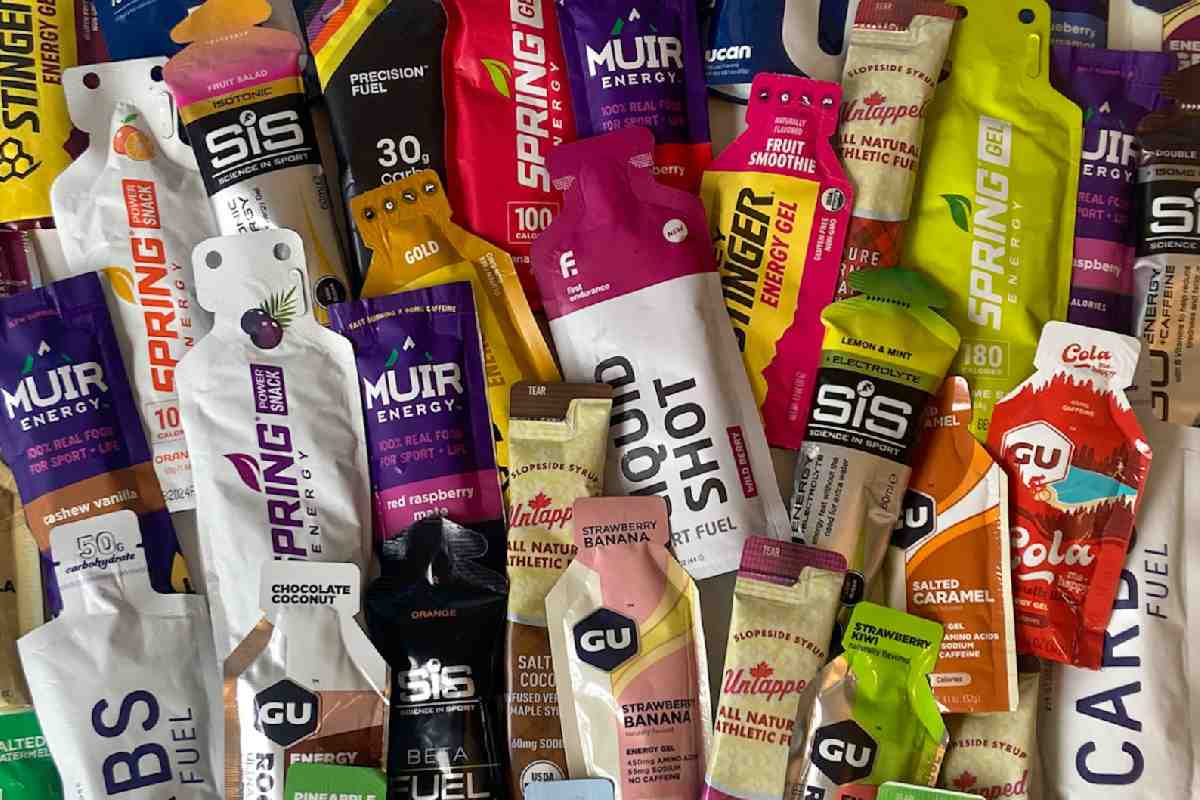



When we talk about energy gels we refer to vitamin supplements that have a large amount of nutrients and that, as its name indicates, its presentation is in gel. Compared to other presentations of vitamin supplements, gels have a greater amount of nutrients and can be carried everywhere very easily.
Table of Contents
What are Energy Gels?
Energy gels are concentrated carbohydrate supplements designed to provide a quick source of fuel during endurance activities such as running, cycling, triathlons, and long workouts. They are commonly used by athletes in events like marathons and long-distance cycling races.
Ingredients of Energy Gels
Energy gels may seem slightly different in their contents according to the brand, but they typically include the following ingredients.
Caffeine – It is stimulating and energy giving. It is best in enhancing concentration particularly in reference to a long-term activity.
Amino Acids – This is not consumed by all people, but it helps in reducing fatigue, which allows the body to generate energy at a faster rate.
Carbohydrates – It is among the most significant components of energy gels, as it provides a significant amount of energy within a limited period of time.
Electrolytes – Among the elements that are lost through sweat are electrolytes, which is why they are included in energy gels, to reduce fatigue as much as possible.
Packaging & Ingredients of Energy Gels
| Energy Gel | Typical Packaging | Primary Ingredients | Key Add-Ons / Notes |
| Maurten Gel 100 | Single-use sachet (100 ml) | Maltodextrin, Fructose (hydrogel matrix) | Hydrogel tech, minimal additives, fast digestion |
| SiS GO Isotonic Gel | Single-use tube (60 ml) | Maltodextrin, Fructose, Sodium | Designed to be taken without water (isotonic) |
| GU Energy Original Gel | 32–40 g sachet | Maltodextrin, Fructose, Sodium | Some flavors include caffeine |
| GU Energy Variety Pack | Multi flavour pack of sachets | Same as above | Includes caffeinated & non-caffeinated gel flavors |
| High5 Energy Gel | 40 g sachet | Maltodextrin, Sodium, Potassium | Some include electrolytes for hydration support |
| Fast & Up Energy Gel | 50 g packet | Maltodextrin, Fructose | Often contains vitamins and electrolytes |
| Unived Elite Gel 180 | Single-use gel pack | Maltodextrin, Fructose | Clean label formula, often vegan friendly |
| Aptonia Energy Gel | 33 g sachet | Glucose Syrup, Maltodextrin, Fructose | Often includes B-Vitamins, electrolytes |
Composition of Energy Gels
| Component | Function | Typical Amount per Gel |
| Carbohydrates | Primary energy source; fuels muscles and brain | 20–35 g |
| Electrolytes | Maintain fluid balance, prevent cramps | Sodium: 50–200 mg, Potassium: 20–50 mg, Magnesium: 5–15 mg |
| Caffeine (optional) | Enhances alertness and endurance performance | 20–50 mg |
| Amino Acids (BCAAs, Taurine) | Reduce muscle fatigue, support recovery | 0–2 g |
| Water / Gel Base | Facilitates digestion and absorption | 20–40 mL |
| Flavorings / Sweeteners | Improve taste and palatability | Variable |
| Preservatives / Stabilizers | Maintain shelf-life and consistency | Variable |
Benefits of Energy Gels
The main reason why energizing gels have become so famous is their effectiveness. They provide excellent benefits to the human body, whatever the physical condition of the person who uses it.
They Replenish Calories – Thanks to these it is possible to increase the amount of body energy.
Provide Mineral Salts – This ensures that the electrolytes lost when sweating are replenished.
Very Easy To Consume – Unlike other energy products, the gel presentation facilitates its intake.
Easy to Carry – Another of its advantages is its size, smaller than many similar products, allowing it to be carried everywhere without problems.
The Nutrition for Training and Competition study highlights the role of proper nutrition in supporting long-term physical activity.
Types of Energy Gels
| Type | Characteristics | Best For / Usage | Example Ingredients |
| Standard Carbohydrate Gel | Fast-absorbing, mainly glucose or maltodextrin | Endurance activities of short and moderate duration. | Fructose, Maltodextrin, glucose. |
| Caffeine-Infused Gel | Contains caffeine for alertness and performance boost | Later energy, mental concentration, sustained rides/runs. | Glucose, Maltodextrin, Caffeine (2050mg) |
| Protein or BCAA Gel | Has branched-chain amino-acids or small amounts of protein. | Long-event muscle recovery or exercise muscle recovery. | BCAAs (Leucine, Isoleucine, Valine), Taurine, Maltodextrin |
| Electrolyte-Focused Gel | Increased sodium, potassium and magnesium. | Hot weather, extreme sweating, ultra-marathons. | Sodium, Potassium, Magnesium, Maltodextrin |
| Isotonic Gel | Carbs and fluids in a balance, no additional water required. | Good on the stomach, appropriate to athletes who are hydration conscious. | Electrolytes, Water, Maltodextrin. |
| Organic / Natural Gel | Made from natural sources, fewer artificial additives | Athletes who are health conscious, activities that take long to complete. | Fruit juices, Honey, Natural flavours. |
Top Energy Gels That We Recommend
There are many energy gels available on the market. In order to help you make the best choice, we are going to mention the best ones.
1. GU Energy Original Sports Nutrition Gel
- Purpose: Classic all-purpose energy gel for endurance sports
- Carbohydrates: ~20–25 g per gel (quick-absorbing maltodextrin/fructose)
- Caffeine: Some flavors contain caffeine for alertness
- Flavors: Many (Salted Caramel, Strawberry, Espresso, etc.)
- Highlights: Highly rated with thousands of reviews; favored for taste and performance balance; versatile for running or cycling sessions.
- Best For: Athletes who want reliable, familiar energy gels with flavor variety.
2. SiS Beta Fuel Gel
- Purpose: High-carb gel designed for demanding sessions (e.g., marathons, long rides)
- Carbohydrates: ~40 g per serving (maltodextrin-based blend)
- Highlights: Very high carbohydrate delivery per gel, smooth digestion, optimized mix for endurance athletes (tested in triathlon guides).
- Best For: Long races or training where sustained energy is crucial and one gel per hour can be used.
3. Maurten Gel 100
- Purpose: Hydrogel fuel technology for rapid absorption with minimal gut discomfort
- Carbohydrates: ~25 g per gel
- Formula: Clean ingredients, hydrogel matrix aids nutrient transport
- Highlights: Used by elite marathon runners; hydrogel tech helps stomach tolerate intense exercise.
- Best For: Race day or long training when digestion comfort matters most.
4. SiS GO Isotonic Energy Gel
- Purpose: Isotonic formula that can be taken without water
- Carbohydrates: ~20–22 g per gel
- Hydration Note: Helps maintain hydration & energy together
- Highlights: Great hydration support and simplifies fueling strategy.
- Best For: Events or rides where water stops are infrequent.
5. Aptonia Energy Gel
- Purpose: Budget-friendly gel with carbohydrates and some vitamins
- Carbohydrates: ~20+ g per serving
- Ingredients: Mixed glucose, fructose, maltodextrin, B-vitamins, zinc (sodium for electrolytes)
- Highlights: Good value pick with decent carb content and added micronutrients.
- Best For: Recreational athletes or riders who want energy plus some vitamins without high cost.
Best Energy Gels with price
| Energy Gel | Typical Price | Best For |
| Maurten Gel 160 | ~₹4,832 (premium) | Elite endurance performance; high-carb fuel; race day |
| GU Energy Roctane Ultra Endurance Energy Gel | ~₹11,647 (premium) | Ultra-endurance & high electrolyte needs |
| GU Energy Original Sports Nutrition Energy Gel | ~₹3,101 per gel | Classic all-purpose energy gel — widely trusted |
| GU Energy Gel – Pack Of 24 | ~₹8,490 per 24-pack | Better value per serving for regular training |
| SIS GO Isotonic Energy Gel 60ml | ~₹168 per gel | Isotonic formula — no water needed |
| Sis GO Isotonic Gel Variety Pack | ~₹4,801 per pack | Multiple flavors, convenience packs |
| Unived Elite Gel 180 | ~₹900 | Balanced energy for training sessions |
| MuscleBlaze Sports Energy Gel | ~₹349 | Budget-friendly basic gel |
Risks and Considerations
| Risk / Issue | Description | Mitigation / Best Practices |
| Gastrointestinal distress | Give nausea, bloating or diarrhea in case taken rapidly or without water. | Take gels with 150–250 mL of water; test during training before events |
| Excess sugar intake | Both may increase the blood sugar by spiking it because of a high carbohydrate content. | Take as recommended dosage; Do not take many gels at a time. |
| Caffeine overdose | Particular gels will include caffeine; too much of it may cause jitteriness, heart rate increase. | Check caffeine content; combine carefully with other caffeinated products |
| Allergic reactions | Other gels include soy, gluten or artificial additives. | Read labels carefully; choose allergen-free products if necessary |
| Electrolyte imbalance | Excessive use of the gels of electrolytes may result to high sodium or potassium concentrations. | Take as per the rate of sweat and exercise duration; never to more than the recommended amount. |
| Dehydration | Taking gels without enough water would increase dehydration. | Always take gels with water or isotonic fluids |
| Over-reliance on supplements | There is a possibility of the use of gels only, which will decrease the attention to the balanced nutrition. | Treat with correct eating and drinking program. |
Market Trends and Popular Brands
| Aspect | Details |
| Market Growth | Growth of the energy gel market is linked to the increase in the number of endurance sports and the demand of performance nutrition. Projected to achieve a high value of 20302035 with a stable CAGR. |
| Flavor Trends | The fruit and natural flavors are the most prevalent and the demand is on differentiating as well as exotic flavors. |
| Product Innovation Ingredients | Clean‑label, plant‑based gels; performance‑focused formulations with electrolytes, caffeine, amino acids; hydrogel tech for easier digestion. |
| Sustainability & Packaging | Biodegradable/compostable packaging, new types of delivery (dual chamber, resealable). |
| Distribution Channels | Increased online retailing and supermarket/hypermarkets presence; direct exposure as sustainable events. |
| Regional Growth | Good acceptance in North America and Europe; Asia Pacific is the fastest growing as more people participate in fitness. |
| Leading Brands | Key commercial players with significant market share and product visibility. |
| Brand Positioning Trends | There are brands that promote scientific formulation and plants, others concentrate on endurance, natural or plant based niche; athlete endorsements and event sponsorship is a norm. |
Recommended Usage Guidelines
When to Take Energy Gels
- Use during workouts or events lasting longer than 60–75 minutes.
- Ideal for marathons, half-marathons, cycling, triathlons, long hikes, and endurance training.
- Not usually necessary for short workouts under 45–60 minutes.
How Often to Take
- Consume 1 gel every 30–45 minutes during prolonged activity.
- This typically provides 20–40g of carbohydrates per hour.
- Advanced endurance athletes may target 60–90g carbs per hour (combining gels with sports drinks).
Take with Water (Very Important)
- Most gels should be consumed with 150–250 ml of water.
- Avoid taking gels with sports drinks unless you carefully calculate total carb intake.
- Exception: Isotonic gels like SiS GO Isotonic Energy Gel can be taken without water.
Pre-Workout Use
- Take 1 gel 5–15 minutes before a race or long workout if you need an early energy boost.
- Useful for early-morning sessions when glycogen stores may be lower.
Caffeine Gels
- Use caffeine gels later in a race (after 60–90 minutes).
- Avoid exceeding 200–300 mg total caffeine unless you’re accustomed to it.
- Popular caffeinated option: GU Energy Roctane Ultra Endurance Gel
Practice in Training
- Never try a new gel on race day.
- Test different brands like:
- Maurten Gel 100
- GU Energy Original Sports Nutrition Gel
- Check for stomach tolerance and taste preference.
Avoid Common Mistakes
- Taking gels without water (can cause stomach upset)
- Overloading carbs too quickly
- Ignoring electrolyte balance
- Waiting until you’re already exhausted (“bonking”)
Conclusion
Energy gels are a convenient, energy source that is scientifically developed and that is taken by athletes who take part in endurance events. Being properly used, they can help to improve the performance greatly, slow down the fatigue, and aid hydration. During the training it is necessary to select and test properly to obtain the maximum benefits and minimum side effects.
Saba Mirza is a Health, Wellness & Lifestyle Writer at Being Healthy Life with 3+ years of writing experience. She creates clear, informative, and reader-focused content covering health, wellness, nutrition, fitness, natural health, and lifestyle topics.
View Profile →
Sameena Begum is a health, technology, and digital content reviewer who reviews selected articles to help ensure that information is presented clearly, accurately, and responsibly.
View Profile →
Dr. Syed Imtiaz is a qualified medical professional with MBBS and MD qualifications and 5+ years of experience. As a Medical Reviewer at Being Healthy Life, he reviews selected health and wellness content for medical accuracy, clarity, appropriate context, and responsible presentation.
View Profile →