
Improve Health and Well-Being
Making your community a healthier and more positive place for you and those you love to live is an honorable and extremely significant task, and one which can have many great benefits for everyone who participates in this community. The way our bodies physically react to the air we breath, the types of food we eat and where we are able to let our children play have a major impact on the health of our bodies and thus, our ability to survive.
Helping to create a healthier community is not something that just happens; it’s the product of dedicated individuals with a well thought-out plan. This means you need to create an environment that helps people create positive lifestyles and views about themselves. There are many, many ways that you as a citizen, healthcare worker, or local government official can help improve the health of your community.
Table of Contents
Foundational Community Actions to Improve Health and Well-Being
When a community pulls together in solidarity to uplift their neighbors and make their community better, they aren’t just looking after each other. They are, in fact, performing an act of service for everyone, regardless of race or economics. For instance, a smaller-scale project like improving access to healthcare or cleaning up the environment or improving something about your immediate area can eventually build into larger-scale projects that will benefit the whole community through the thousands of people that make up the community all around you.
When you do one or all of the above, you will create a stronger community and strengthen your relationships with your neighbor or community member.
1. Support Public Health Degree Programs
Health education goes way beyond what kids learn in school. It’s a huge part of college life, too. Supporting public health programs matters—setting up scholarship funds can help more students afford their degree, and partnerships with local health departments for internships give students real-world experience they can’t get from textbooks. Hosting public health fairs isn’t just a fun idea, either. These events let programs show the community what they’re working on and make connections that matter.
We need to advocate for, and support local and elected officials and the community as a whole in supporting and encouraging people to understand the importance of these types of programs. Because the people that are in these programs will become the future of our community, and they will be the ones who help keep our communities healthy through education, prevention of disease, and helping us live healthier lives. So the more we invest in the programs, the more we will build a foundation for a healthier, safer, and more prosperous community.
2. Advocate for Health Education in Schools
When thinking about healthy communities, we must start at the source: our schools. In addition to reading and mathematics education, children should receive instruction that includes an understanding of how to care for their mental health, make healthy decisions, how to understand sex education, and become physically active. Health education classes should be age appropriate to make sense for the students; no child should feel overwhelmed or underwhelmed by health classes.
To create positive changes in the health of our children, advocacy for increased health education will take more than one person – the parents must work in partnership with the education boards, with the school-based Parent Teacher Associations (PTA), and with the health teachers. This is not only about improving the health of a few children, but it is about improving the quality of health for the whole community.
Children that learn how to develop healthy habits of eating properly and staying active at a young age are much more likely to maintain those habits throughout their lives, therefore helping to create a community that becomes healthier over time. By taking action and advocating for the health education that our children deserve, we will give them a positive future by educating them in healthy habits — one at a time. (WHO)
3. Organize Free Exercise Classes
Let’s face it, not everyone can shell out money for a gym membership. So, why not offer free exercise classes? Open them to everybody, regardless of income. You can ask local trainers to volunteer, or find businesses to sponsor the costs. Mix up the types of classes so there’s something for all ages and all abilities. That way, no one gets left out.
The benefits of health education classes extend beyond just improving one’s health; they also provide opportunities to meet other people, connect with others and feel a part of one’s community. The sense of community is equally as valuable to gaining a sense of belonging as the actual physical activity.
4. Start a Community Garden
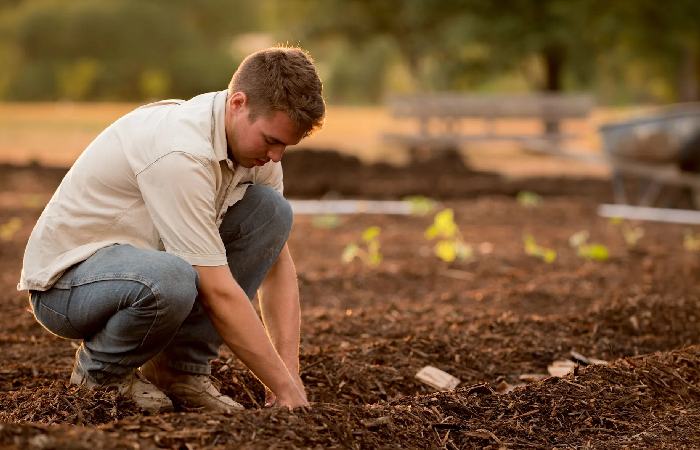
Community gardens unite the community. Through community gardens, individuals can grow their own produce in addition to getting exercise and knowing where their food comes from. Community gardens also provide an opportunity to teach children and adults alike about nutrition and sustainability. Find a suitable site, partner with your local government, and create something community-oriented that engages everyone in its creation.
Not only does the garden feed people, it nourishes community spirit. Over time, the garden will become a center of gathering for all community members to share experiences and celebrate the bounty of the earth. This is a simple idea with enormous ramifications: more nutritious food, less ill feeling within the community, and greater connectivity among people.
5. Volunteer for Health Screening Events
Finding and accessing early disease detection and treatment options can save lives and lower total health care costs. Therefore, volunteering for local organizations that conduct community health screenings to help those who cannot access medical care on their own is a worthwhile pursuit. Health screenings can also help people develop a continuing focus on prevention.
When people start paying attention to their health, the ripple effects are real—better outcomes for individuals, lower community healthcare costs, and a culture of looking out for one another.
6. Implement a “Buddy” System for the Elderly or Disabled
A buddy system is simple but powerful. Pair up volunteers with seniors or disabled community members for regular visits, help with errands, or just a friendly chat. Loneliness can be as harmful as any physical illness, and a little company can change someone’s whole week.
Having someone check in, help spot health issues early, and just share time together keeps people healthier—and happier. When we watch out for each other, nobody feels forgotten, and the whole community gets stronger.
7. Encourage Local Businesses to Sponsor Health Initiatives
Local businesses are very powerful tools that can improve quality of life for everyone in their communities. For example, a business can provide funding for a playground, sponsor a youth sports team, or provide financial support for people to access health care. Even minor adjustments—such as replacing candy with fresh fruit at checkout—make it easier for customers to make healthier food choices.
When companies jump in, it’s good for business and for public health. It shows they care, it brings people together, and it helps turn the community into a better place to live and work. Encourage your local shops to get involved—they might be waiting for someone to ask.
8. Facilitate Stress Management Workshops
Stress is something we all experience even if we are unaware of it. The negative impacts of stress then become apparent very quickly. There are many activities that communities can engage in to develop stress management skills, including providing community workshops related to meditation, yoga, and time management. These types of stresses can keep us all physically and mentally healthy.
As a result of the communities coming together to support each other, individuals learn about the importance of mental health in regards to overall health. (CDC)
9. Promote a “Quit Smoking” Campaign
Getting people to quit smoking saves lives. Period. Start a “Quit Smoking” campaign—set up support groups, provide resources like nicotine patches, or hold events that show the real impact of smoking. Work with local medical professionals so people get expert guidance.
If you stick to it, the whole community will be healthier. It’s one of those efforts where even helping one person quit makes a huge difference.
10. Advocate for Better Food Labeling in Stores
Buying healthier food shouldn’t be a guessing game. Push for straightforward, easy-to-read labels in local stores. People need to know about calories, sugar, or allergens to make good choices, and clear labels make that possible. Food suppliers pay attention when customers demand better options.
With better labeling, people make smarter decisions at the store, leading to healthier families and fewer diet-related health issues.
Advanced Strategies and Research Insights to Improve Health and Well-Being
-
Build Walkable and Active Urban Infrastructure
The way we design our cities has a big impact on our health. Studies have shown that neighborhoods where people can walk around easily are really good for us. They can help lower the number of people who are obese, have heart problems, and feel stressed or depressed.
Key Components:
- Sidewalk connectivity
- Cycling lanes
- Public parks within 500m radius
- Safe pedestrian crossings
Estimated Costs (India context):
| Initiative | Cost Range (INR) | Impact Level |
| Sidewalk construction (per km) | ₹20–50 lakh | High |
| Cycling lanes (per km) | ₹15–40 lakh | High |
| Small public park development | ₹10–30 lakh | Medium |
Insight: WHO studies suggest walkable communities can reduce physical inactivity by up to 30%.
-
Strengthen Primary Healthcare Accessibility
Primary healthcare is the first line of defense. Communities with strong primary care systems show lower hospitalization rates.
Key Strategies:
- Increase local clinics
- Mobile health units
- Telemedicine adoption
Cost Breakdown:
| Service | Approx Cost |
| Basic clinic setup | ₹5–15 lakh |
| Mobile health van | ₹10–25 lakh |
| Telemedicine setup per center | ₹1–3 lakh |
Data Point: Early intervention via primary care reduces treatment costs by 40–60%.
-
Digital Health and Telemedicine Expansion
Post-pandemic, digital health has become a core pillar.
Tools & Platforms:
- Practo
- Apollo 24/7
Benefits:
- Remote consultations
- Reduced travel costs
- Increased rural access
Average Costs:
- Consultation: ₹200–₹800 per session
- Subscription plans: ₹999–₹2999 annually
-
Improve Air and Water Quality Standards
Environmental health is foundational to well-being.
Key Pollutants:
- PM2.5 (air)
- Heavy metals (water)
Solutions & Costs:
| Initiative | Cost Range |
| Air quality monitors | ₹50,000–₹2 lakh |
| Community RO water plants | ₹2–10 lakh |
| Tree plantation drives (per 100 trees) | ₹20,000–₹50,000 |
Research Insight: A 10 µg/m³ reduction in PM2.5 can increase life expectancy by 0.6–1 year.
-
Nutrition Accessibility and Food Security Programs
Malnutrition and obesity often coexist in communities.
Strategies:
- Subsidized healthy food programs
- Public distribution system (PDS) improvements
- Fortified food distribution
Cost Estimates:
| Program | Cost |
| Mid-day meal per child | ₹5–₹10 per meal |
| Community kitchen setup | ₹2–8 lakh |
| Food subsidy programs | Variable (govt-funded) |
-
Workplace Wellness Programs

Corporate and informal sector wellness impacts community health.
Program Elements:
- Health screenings
- Mental health support
- Ergonomic workspaces
Typical Costs:
| Program | Cost per Employee |
| Annual health check-up | ₹1,000–₹3,000 |
| Wellness workshops | ₹500–₹2,000 |
| Fitness subsidies | ₹2,000–₹10,000/year |
Insight: Companies see a 25–30% productivity increase with wellness programs.
-
Mental Health Infrastructure Development
Mental health is often underfunded but critical.
Key Interventions:
- Community counseling centers
- Crisis helplines
- Awareness campaigns
Cost Breakdown:
| Initiative | Cost |
| Counseling center setup | ₹5–20 lakh |
| Helpline setup | ₹2–10 lakh |
| Awareness campaigns | ₹50,000–₹5 lakh |
Research: Depression is projected to be the leading disease burden globally.
-
Health Data Collection and Monitoring Systems
Data-driven decisions improve outcomes.
Tools:
- Health surveys
- Digital health records
- GIS mapping
Costs:
| Tool | Cost |
| Survey implementation | ₹1–5 lakh |
| Digital health record system | ₹2–10 lakh |
| Data analytics tools | ₹1–3 lakh annually |
-
Public Health Policy and Governance
Policy-level interventions create systemic change.
Examples:
- Sugar tax
- Smoking bans
- Food labeling laws
Case Insight:
- Countries with sugar taxes saw a 10–20% drop in sugary drink consumption.
-
Community Engagement and Behavioral Change Models
Behavioral science is essential for long-term health improvement.
Models Used:
- Nudge theory
- Social norm interventions
- Incentive-based programs
Examples:
- Reward-based fitness challenges
- Public health campaigns using influencers
Key Health Indicators to Track Community Well-Being
| Indicator | Ideal Benchmark |
| Life expectancy | 70+ years |
| Obesity rate | <15% |
| Air Quality Index (AQI) | <50 |
| Access to healthcare | 100% population |
| Physical activity rate | 150 mins/week |
Economic Benefits of Improving Community Health
- Reduced healthcare costs
- Increased workforce productivity
- Higher local economic growth
- Lower absenteeism
Statistic: Every ₹1 invested in public health yields ₹4–₹10 in economic returns.
Barriers to Improving Health and Well-Being
- Lack of funding
- Poor awareness
- Cultural resistance
- Infrastructure gaps
- Policy limitations
Future Trends in Community Health
- AI-driven diagnostics
- Personalized medicine
- Wearable health tech
- Preventive healthcare dominance
Example devices:
- Fitbit Charge 5
- Apple Watch Series 9
Final Words
Get everyone involved, and you’ll see real change. Building a healthy community isn’t about one big leap—it’s a bunch of smaller steps, done together. Every effort helps, and when everybody pitches in, you end up in a place where wellness is part of everyday life. That’s what makes the biggest difference of all.