
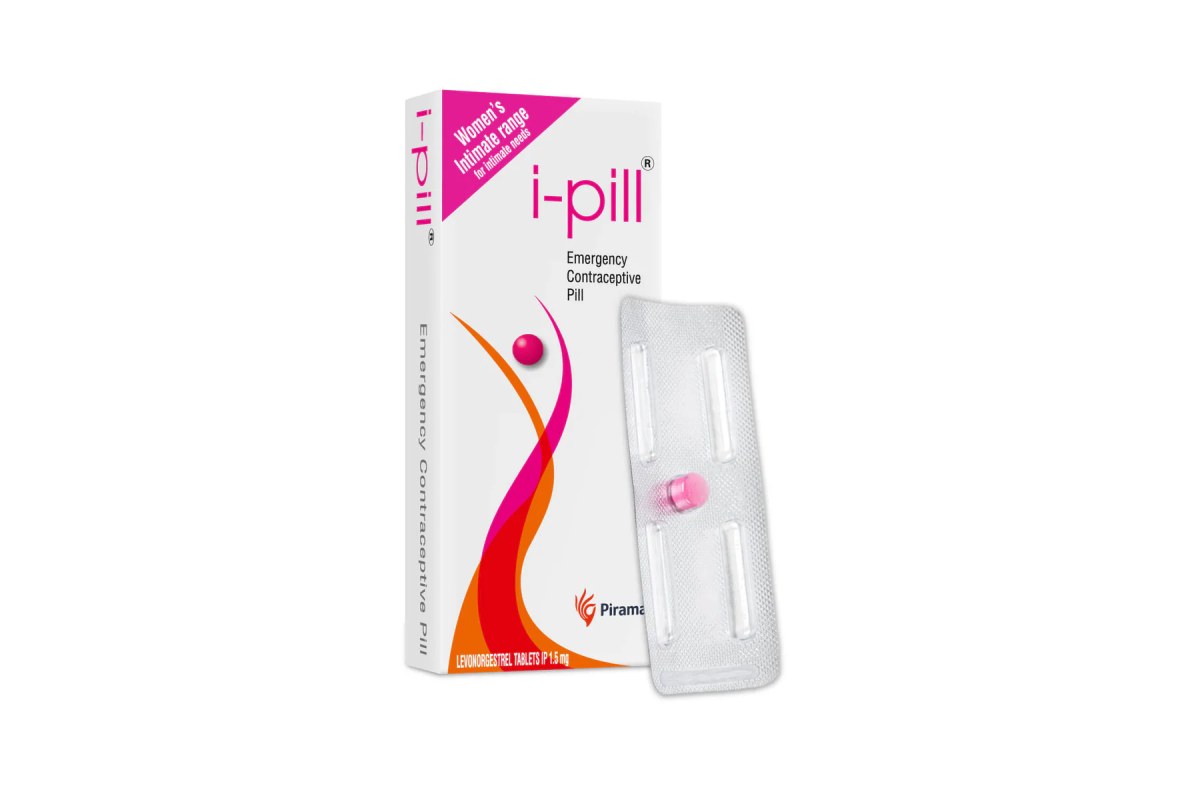
The I-pill tablet is a very common emergency contraceptive pill used in India. With the increasing prevalence of awareness and understanding of reproduction and unintended pregnancies, I-pill has become a reliable and commonly accessible emergency contraception after unprotected intercourse.
Given that it is still a very new and growing subject of discourse, there’s much we need to be informed of about the correct uses, advantages and potential risks associated with the use of the I-pill tablet. Many individuals misuse this medicine due to the lack of proper knowledge about it, and which can result in problems for them.
In this entire guide, we tell you all that you need to know about using the i-pill tablet.
Table of Contents
What is i-Pill Tablet?
I-pill is an oral emergency contraceptive. The pill consists oflevonorgestrel (1.5 mg) that is a synthetic form of the female hormone progesterone.
This oral tablet is used as an anti pregnancy solution post sexual intercourse without any protection, or where some protection has failed. Some examples include:
- Failure or breakage of the condom during sexual intercourse
- When a daily contraceptive pill is forgotten and no other protection method has been used
I-pill is an emergency medication and not an everyday one. Unlike normal oral contraceptive pills, the use of I-pill as and when required, makes it easier for women and adolescents.
Key Highlights of i-Pill
| Feature | Details |
| Type | Emergency contraceptive |
| Active Ingredient | Levonorgestrel (1.5 mg) |
| Usage Time | Within 24–72 hours |
| Purpose | Prevent pregnancy |
| Availability in India | Over-the-counter |
| Frequency | Emergency use only |
i-Pill Tablet Uses
I-pill primarily serves as an emergency contraceptive and is effective in the following scenarios:
- Unprotected Sexual Intercourse
The most frequent cause of use for i-pill is after unprotected intercourse or when no protection is used during sexual activity.
It decreases the risk of an unwanted pregnancy after such acts.
- Contraceptive Failure
It might not be our intention to get pregnant, but sometimes protection can fail!
Some of the most commonly occurring circumstances include:
- Condom breaks or slips
- Diaphragm failure
- Incorrect use of contraceptive methods
- Missed Birth Control Pills
While on normal oral contraceptives, failing to take your daily pill can cause an increase in chances of pregnancy.
The use of the I-pill in these scenarios can come as an effective solution.
- Sexual Assault Situations
If there has been sexual assault or rape, the i-pill can be used for preventing an unwanted pregnancy.
- Emergency Backup Contraception
Even if one uses some other protection method correctly, if it is of some failure then an i-pill can provide an added safety layer to the plan of preventing pregnancy.
How Does i-Pill Work?
The i-pill tablets works in three primary ways:
Prevents or postpones egg release.
It works against fertilization if an egg is already released.
Prevents the attachment of a fertilized egg in the uterus lining.
What i-pill is NOT:
A point of importance, it is worth noting that the i-pill tablets does not abort an already completed pregnancy, in other words, it cannot be considered as an abortion pill.
When Should You Take i-Pill?
It is highly advisable that you take the pill within 72 hours of unprotected sex, since the earlier you take the pill the greater the effectiveness.
| Time After Intercourse | Effectiveness |
| Within 24 hours | Highest (over 95%) |
| 24–48 hours | ~85% |
| 48–72 hours | Lower effectiveness |
Dosage and How to Take
- You are required to consume a single I-pill tablet (1.5 mg) orally.
- Consume with water
- This pill can be taken with or without food.
- It is preferably taken within 24 hrs of unprotected sexual intercourse but later than 72 hrs after un-protected sex.
Effectiveness of i-Pill
The I-pill is one among highly reliable emergency contraceptive pills. But the pill is not completely 100% fool proof or safe.
The percentage of effectiveness of the i-pill peaks up to a highest level within 24 hrs from which the rate goes on decreasing, and it falls down and shows minimum efficiency when taken within 72 hrs after un-protected sex with partner.
- Effectiveness decreases over time
- Around 1–2% of women may still get pregnant
Advantages of i-Pill
- Accessibility in India
It is very easily available in India without a doctor’s prescription at the local pharmacies.
- Quick Emergency Solution
Provides immediate action after risky situations.
- Non-Invasive
No special medical or surgical procedures are required for its use.
- Safe for Occasional Use
It is safe for infrequent or sporadic use.
Limitations of i-Pill
Despite its benefits, there are important limitations:
- Not for Regular Use
It is not recommended to use it on a regular basis as a form of permanent contraception.
- It does not prevent STDs
This pill can prevent pregnancy but has no relation in preventing Sexually Transmitted Diseases or Infections(STDs/STIs) which are transmissible by sexual contact, and condoms should be used for the same.
- Reduced Effectiveness Over Time
Delay in consumption reduces success rate.
- Hormonal Side Effects
Frequent use may disrupt menstrual cycles.
i-Pill vs Regular Birth Control
| Feature | i-Pill | Regular Birth Control |
| Purpose | Emergency use | Daily prevention |
| Frequency | Occasional | Daily/regular |
| Hormone Dose | High | Low |
| Effectiveness | Time-dependent | Consistent if used properly |
Who Can Use i-Pill?
The i-pill is generally suitable for:
- Women of reproductive age
- Those who had unprotected sex
- Individuals facing contraceptive failure
However, it’s not suitable if:
- You are already pregnant
- You have certain conditions like liver disease
- You are allergic to its ingredients
Common Side Effects of i-Pill
Side effects are mostly minor and temporary.
Common side effects are:
- Nausea
- Headache
- Fatigue
- Stomach ache
- Sore breasts
- Irregular periods
Menstrual Changes
After taking i-pill, your period may:
- Come earlier or later
- Be heavier or lighter
- Cause spotting
Safety and Precautions
Here are tips for using i-pill safely:
- Do not use it frequently
- Avoid as a regular contraceptive
- See a doctor for medical conditions
- If periods are late, take a pregnancy test
Myths vs Facts
| Myth | Fact |
| It causes abortion | It prevents pregnancy |
| It can be used daily | Only for emergencies |
| It affects future fertility | No long-term impact |
| It works anytime | Must be taken within 72 hours |
Why i-Pill is Popular in India
Reasons for its popularity are:
- Easy availability
- Growing awareness
- Confidentiality (no prescription needed)
- An emergency solution
Medical Perspective
Emergency contraceptives like levonorgestrel have proven safe and most commonly prescribed across the world health organizations as part of recommendations.
Risks and Potential Long-Term Effects of the i-Pill
While I-pills are well established as being safe to use for emergency contraception, you must also be informed about some of the risk factors associated with its consumption and about any long term implications with relation to consuming it.
- Hormonal Imbalances
High dosage of levonorgestrel is contained within the i-pill which may cause a disruption in hormone balances temporarily. This can include:
- Irregular cycles of menstrual period
- Ovulation is delayed during subsequent cycle periods
- Transient mood alterations
These symptoms will typically fade away between one to two menstrual cycles.
- Effect on menstrual cycle
Regular or frequent consumption of the I-pill can also cause other issues, such as:
| Effect | Explanation |
| Early periods | Hormonal shift triggers shedding |
| Delayed periods | Ovulation delay affects timing |
| Spotting | Common after intake |
The pregnancy test should be done when the menstrual period is delayed by more than 7 days.
- Not Suitable for Frequent Use
Medical experts strongly advise against using i-pill regularly because:
- It contains higher hormone doses than regular contraceptives
- It is less effective than planned contraception
- It can cause repeated cycle disturbances
Ideal frequency of use is once in a menstrual cycle
- Lack of Protection against infections
The i-pill does not offer any protection from:
- HIV
- HPV
- Sexual transmitted diseases(STDs)
The usage of barrier methods such as condoms must continue to be employed for protection against them.
Frequency of i-Pill use
The most common query regarding the i-pill in India relates to the frequency with which it can be taken.
Recommended Usage
- Usage is only an emergency contraceptive
- Avoid repeated use within the same cycle
- Do not rely on it as a regular contraceptive
Clinical Insight
According to global health authorities, repeated use is not dangerous but not recommended due to reduced reliability and hormonal effects.
What Happens If You Take i-Pill Multiple Times?
Using the i-pill frequently may lead to:
- Serious side effects including nausea, exhaustion.
- Disruption of the normal flow of menstrual periods.
- Possible decreased effectiveness in due course of time.
Long-term use of this contraceptive pill does not result in infertility, which is a widespread misunderstanding.
i-Pill effectiveness
Effectiveness varies as much in reality as in the clinical trials depending on the specific user:
Key Factors
- Timing of intake
- Body weight (slightly reduced effectiveness in higher BMI)
- Stage of menstrual cycle
- Interaction with other medications
Effectiveness Table
| Scenario | Effectiveness |
| Taken within 24 hours | ~95% |
| Within 48 hours | ~85% |
| Within 72 hours | ~58–75% |
It has been established that the effectiveness reduces drastically after 72 hours.
Who Should Avoid i-Pill?
Although generally safe, certain individuals should consult a doctor before use:
- Women with severe liver disease
- Undiagnosed vaginal bleeding
- Women who are receiving treatment for some medical condition which could cause an acceleration in the rate of disruption of hormonal metabolism.
- If you are aware of an existing condition of known hyper sensitivity or allergy to thelevonorgestrel.
Drug Interactions
Some medications can reduce the effectiveness of i-pill:
| Drug Type | Examples |
| Anti-epileptic drugs | Phenytoin, Carbamazepine |
| Antibiotics | Rifampicin |
| Herbal remedies | St. John’s Wort |
These drugs shorten the effect of levonorgestrel.
Expert Medical Recommendations
Medical professionals suggest the following:
- Use i-pill only when necessary
- Switch to regular contraception for ongoing protection
- Consult a doctor if used frequently
- Maintain menstrual tracking
Alternatives to i-Pill in India
If you want a regular form of contraception you should be opting for the following:
- Oral Contraceptive Pills
As compared to the I-pill, the concentration of hormones here are significantly lower and offers effective pregnancy prevention on a regular basis.
- Condoms
Condoms: Along with being effective for pregnancy prevention, they are also highly recommended as protection against STIs (Sexually Transmitted Infections).
- Copper-T (IUD)
These offer the highest possible efficacy in the long-term contraception method.
- Injectable Contraceptives
It will allow you to long term hormonal protection.
Frequently Asked Questions (FAQs)
- Is the i-pill a guaranteed pregnancy preventative?
No; it does cut the risk, but not to zero.
- Can I take an i-pill past 3 days?
Past 72 hours it’s much less effective and isn’t recommended.
- Are I-pills a risk factor and is the pill a cause of infertility in the long term?
The I-pill has no known risks associated with it and has never been associated with infertility after usage, or even after long term usage.
- Can I use the i-pill, if I am unmarried woman?
Yes you may use the I-pill as it is fully legal to obtain I-pill from over the counter pharmacies at any store as long as it is registered over the counter, and that you need no prescription for this pill.
- What to do if I throw up immediately after taking the i-pill?
If you vomit within two hours of taking the I-pill, you would be require to take another pill.
- Can the i-pill make your period late?
Yes, its usage may make it early or late.
- Teenagers, should I use the i-pill?
Yes; though guidance from your physician will be beneficial.
Real-world Use of i-pill in India
Emergency contraception usage has increased due to:
- Greater awareness through digital platforms
- Easy pharmacy access
- Growing urbanization and modernization
Misuse and reliance are likely to prevail as long as education on its benefits are not imparted to the masses.
When Should You See a Doctor?
You need to consult a doctor when:
- Periods are delayed beyond 7–10 days
- You experience severe abdominal pain
- There is heavy or prolonged bleeding
- You use emergency contraception frequently
Guidelines for Responsible use
To ensure that your usage of the i-pill is safe and beneficial:
- Take as soon as possible
- Do not rely on it as primary contraception
- Use protection in future encounters
- Stay informed about reproductive health
Final Conclusion
The i-pill is a very safe and useful emergency contraceptive that is readily available across the nation for women to prevent an unwanted pregnancy. Though it is recommended to be used only once a month and that to when it is truly required.
One needs to understand all about the ill effects as well as proper usage of the i-pill for the overall well being of an individual.