
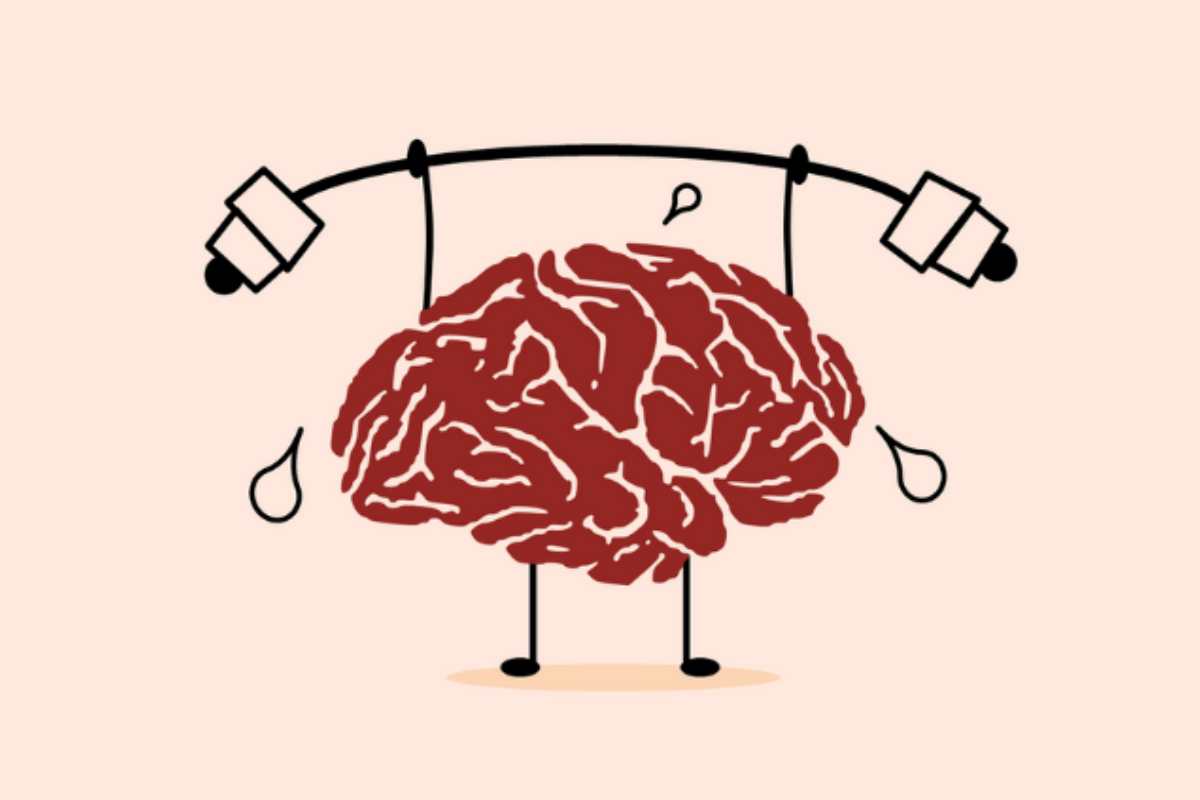
The key to leading a balanced life is to be mentally strong. From Albiach, we offer advice to flourish our most positive and mentally balanced side. Since in some cases, some psychological pathologies begin to develop due to not having enough straightness and not being mentally strong. To do this and to live in harmony and coherence, below, we offer you seven tips that will help you keep your mind free of violations.
THIS ARTICLE BELONGS TO Mental Wellness
Table of Contents
What Does It Mean to Be Mentally Strong?
Mental strength refers to the capacity to regulate emotions, maintain resilience under stress, and sustain disciplined thinking and behavior despite adversity. It is closely associated with constructs in positive psychology, cognitive behavioral frameworks, and resilience theory.
Unlike temporary motivation, mental strength is:
- Habit-driven (built through consistent behaviors)
- Cognitively structured (influenced by thinking patterns)
- Neurobiologically adaptable (linked to brain plasticity)
It combines:
- Emotional regulation
- Cognitive flexibility
- Behavioral discipline
- Stress tolerance
Scientific Foundations of Mental Strength
- Neuroplasticity and Mental Toughness
The brain continuously rewires itself through neuroplasticity. Repeated thoughts and behaviors strengthen neural pathways.
- Practicing optimism → strengthens prefrontal cortex control
- Chronic stress → overactivates amygdala (fear response)
- Role of Cortisol and Stress Response
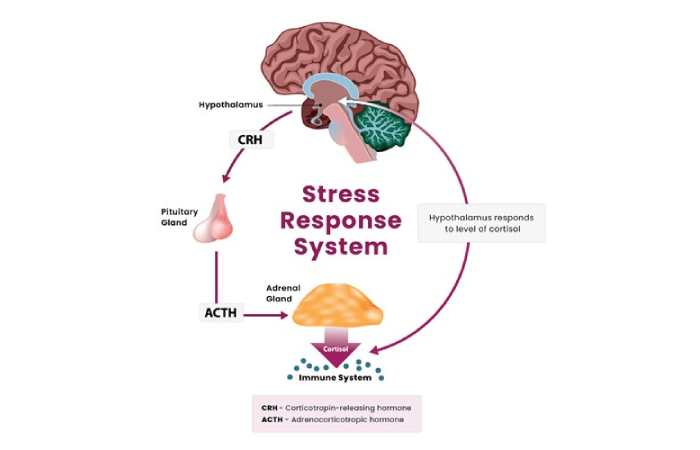
Mentally strong individuals manage stress hormones more effectively:
- Lower baseline cortisol levels
- Faster recovery after stress exposure
- Cognitive Behavioral Theory (CBT)
Mental strength is largely shaped by:
- Automatic thoughts
- Belief systems
- Behavioral responses
CBT-based techniques help reframe negative thinking patterns. (PubMed)
Core Lifestyle Principles of Being Mentally Strong
Being mentally strong is a way of life; it is how we select to live a life free from emotional baggage.
Live to be Happy
There are plenty of explanations for living, and you have to find them happily. In any catastrophe or any conflict, the people who have a reason to live are the ones who survive. A purpose for moving forward is one of the pillars that provide emotional strength in your daily life. Although there is no apparent reason at first, it is convenient to find a leitmotif to cling to and move forward without falling into possible temptations of weakness.

Balance of Thoughts
Knowing how to find the balance between the positive and the negative will help you. However, we must not ignore the negative part. Both are important, and we must balance positive and negative thoughts to find the ideal point—the point of mental balance.
Do Not Be So Demanding With Yourself
When you go through difficult situations, you tend to punish yourself. Blaming yourself is not the solution to living better and being mentally strong. On the contrary, it makes one feel worse. We must assume our own mistakes, but we must not fall into the absurdity of punishing ourselves for something that does not concern us. Remember that mentally strong people know how to take care of themselves and respect each other. After all, you are the most critical being for you.
Laugh
Laugh at everything, even yourself. People who can be strong mentally are also strong emotionally. So we recommend you not take the facts personally and live life with more humour.
Find the Balance of Logic With Emotions
When you find automatically at a crossroads, seek compensation. Not everything in life is emotional, and not everything in life is rational. The midpoint exists. Finding a healthy balance between the mind and body can also support emotional well-being and help you respond to everyday challenges with greater inner stability. How to accept. To be mentally strong, it is essential to get what surrounds you. Accept yourself and the situations around you and do it in total inner peace. You can change things, but most of them will not be in your power, so accept them. In this way, you will live better.
Step by Step
Sometimes the problems come together and accumulate. If this happens, don’t feel stressed. The emotional block will not help you. Solve the crossroads one by one.
Core Traits of Mentally Strong Individuals
Emotional Regulation
- Ability to experience emotions without being controlled by them
- Use of techniques like cognitive reframing and mindfulness
Resilience
- Capacity to recover quickly from setbacks
- Seen in high performers and trauma survivors
Self-Discipline
- Delayed gratification (linked to long-term success)
- Consistency over intensity
Adaptability

- Flexibility in thinking and behavior
- Acceptance of uncertainty
Internal Locus of Control
- Belief that outcomes are influenced by personal actions rather than external forces
Habits That Build Mental Strength
Daily Mental Conditioning
- Journaling (thought tracking and emotional processing)
- Meditation (10–20 minutes daily improves focus and reduces anxiety)
- Visualization (used by athletes and executives)
For people experiencing persistent attention or concentration difficulties, learning more about ADHD in adults can provide useful context for understanding focus-related challenges
Physical Exercise
Strong correlation between physical fitness and mental resilience:
- Aerobic exercise improves mood (endorphin release)
- Strength training boosts confidence and discipline
Sleep Optimization
- 7–9 hours recommended
- Sleep deprivation reduces emotional regulation capacity
Digital Detox
- Reduced screen time lowers anxiety and improves attention span
Mental Strength vs Mental Health
| Aspect | Mental Strength | Mental Health |
| Definition | Ability to cope and perform | Psychological well-being |
| Focus | Performance & resilience | Emotional stability |
| Dependency | Can exist despite struggles | Needs balance and care |
Important Insight:
A person can be mentally strong while still experiencing anxiety or depression, but strength helps in managing those conditions.
Common Barriers to Mental Strength
- Negative Self-Talk
- Internal criticism weakens confidence
- Leads to avoidance behavior
- Fear of Failure
- Prevents risk-taking
- Limits growth opportunities
- Emotional Avoidance
- Suppressing emotions leads to long-term instability
- Overdependence on External Validation
- Weakens internal confidence systems
Practical Techniques to Improve Mental Strength
Cognitive Reframing
Replace:
- “I failed” → “I learned something valuable”
Exposure Therapy (Gradual Challenge)
- Face fears in controlled steps
- Builds tolerance and confidence
Stoic Practices
- Focus only on controllable factors
- Accept uncertainty
Stress Inoculation Training
- Controlled exposure to stress
- Improves resilience under pressure (Harvard Health Publishing)
Mental Strength in Different Life Areas
Career
- Decision-making under pressure
- Handling criticism
- Maintaining productivity during setbacks
Relationships
- Emotional stability
- Conflict resolution
- Healthy boundaries
Understanding how a hurt or wounded narcissist may act can also help you recognize unhealthy relationship patterns and maintain appropriate emotional boundaries.
Personal Growth
- Consistency in goals
- Self-awareness
- Long-term thinking
Role of Nutrition in Mental Strength
Brain-Boosting Nutrients
- Omega-3 fatty acids (fish, flaxseeds)
- Magnesium (reduces anxiety)
- Vitamin B complex (supports cognitive function)
Foods That Support Mental Resilience
- Dark chocolate (dopamine boost)
- Nuts and seeds
- Leafy greens
Tools, Courses, and Resources (With Pricing)
Mental Strength Apps
- Headspace: ₹1,200–₹2,500/year
- Calm: ₹1,500–₹3,000/year
Online Courses
- Coursera (Psychological Resilience courses): ₹3,000–₹8,000
- Udemy mental toughness courses: ₹500–₹3,500
Books on Mental Strength
- “Can’t Hurt Me” by David Goggins: ₹300–₹700
- “Mental Toughness Handbook” by Damon Zahariades: ₹200–₹500
Therapy and Coaching

- Online therapy (India): ₹800–₹3,000/session
- Mental performance coaching: ₹2,000–₹10,000/session
Mental Strength Exercises (Actionable Plan)
7-Day Starter Plan
Awareness
- Track thoughts and emotions
Control
- Practice reframing negative thoughts
Exposure
- Do something uncomfortable
Reflection
- Evaluate progress and adjust
Myths About Mental Strength
- “Strong people don’t feel emotions” → False
- “It’s innate” → False (it’s trainable)
- “It means being tough all the time” → False
Long-Term Benefits of Being Mentally Strong
- Improved decision-making
- Reduced anxiety and stress
- Higher career success
- Better interpersonal relationships
- Greater life satisfaction
Conclusion
Mental strength is not a fixed trait but a trainable psychological capability rooted in behavior, cognition, and emotional discipline. By integrating structured habits, scientific strategies, and consistent practice, individuals can significantly enhance their resilience, adaptability, and overall life performance.