
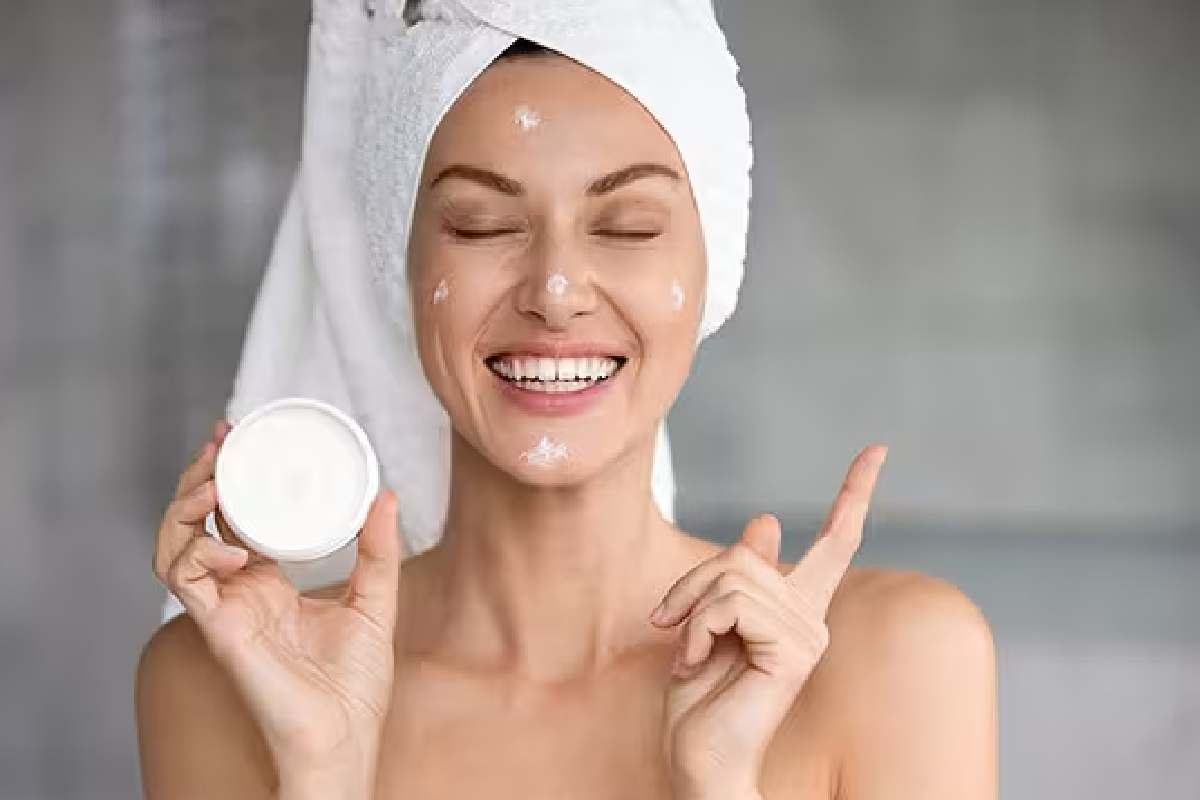



One of the most essential skincare items is the use of moisturizer that is used to maintain the skin wet, protect the skin barrier and possess a radiant complexion. Regardless of the kind of skin one possesses- dry, oily, sensitive and combination; moisturizers have been found very critical in maintaining normal moisture level in the skin.
In the contemporary world, moisturizers are not simply moisturizing, but they also possess other properties such as sun protection, anti-aging, acne, and rebuilding skin barriers. Most dermatologists consider moisturizer among the most important steps of daily skin care regimen.
The consumption of moisturizers in the world has been high due to the increased awareness of skin care, the variations in climatic factors affecting the skin condition, and the increased usage of dermatological skincare products.
Table of Contents
What is a Moisturizer?
A moisturizer is a topical skin care product that aims at stopping the loss of moisture and ensuring that the skin remains hydrated. It works by either:
A moisturizer is a topical skin care product that aims at stopping the loss of moisture and ensuring that the skin remains hydrated. The choice of other cleansing products also matters, so you can learn more about soap for the skin and how cleansing fits into a skincare routine. It works by either:
- Trapping moisture in the skin
- Drawing water into the skin
- Repairing the skin barrier
Moisturizers typically contain a combination of:
| Component | Function | Example Ingredients |
| Humectants | Draw moisture into the skin | Hyaluronic Acid, Glycerin |
| Emollients | Smooth and soften skin | Ceramides, Fatty Acids |
| Occlusives | Prevent water loss | Petrolatum, Dimethicone |
These components help maintain the skin’s hydration level and prevent dryness, irritation, and premature aging. These components help maintain the skin’s hydration level and prevent dryness, irritation, and premature aging. Proper skin care and hygiene can also support scabies prevention, particularly when skin irritation or contagious conditions are a concern.
Key Ingredients Found in Modern Moisturizers
Modern skincare formulations rely on scientifically proven ingredients.
Targeted skincare products such as Lauder serum can also be used alongside a moisturizer as part of a broader skincare routine.
| Ingredient | Purpose | Skin Type |
| Hyaluronic Acid | Intense hydration | Dehydrated & Dry skin |
| Ceramides | Repair skin barrier | Sensitive skin |
| Niacinamide | Oil control & brightening | Oily / acne-prone skin |
| Peptides | Anti-aging | Mature skin |
| SPF filters | Sun protection | All skin types |
Hyaluronic acid and ceramides are among the most widely used ingredients in modern moisturizers due to their ability to maintain skin hydration and repair damaged skin barriers.
Types of Moisturizers
Different skin types require different formulations.
- Cream Moisturizers
Thick formulations suitable for dry skin.
Features:
- Rich texture
- Long-lasting hydration
- Often contains oils or shea butter
Examples:
- CeraVe Moisturizing Cream
- Eucerin Urea Repair Cream
- Gel Moisturizers

Lightweight formulas ideal for oily or acne-prone skin.
Benefits:
- Fast absorption
- Oil-free
- Non-comedogenic
Example:
- Neutrogena Hydro Boost Gel
- Lotion Moisturizers
Medium consistency suitable for normal skin types.
Characteristics:
- Balanced hydration
- Lightweight feel
- Suitable for daily use
- Ointment Moisturizers
Very thick formulations recommended for extremely dry or damaged skin.
Examples:
- Vaseline
- Aquaphor healing ointment (dial4trade)
Benefits of Using Moisturizer
Using a moisturizer regularly can improve skin health significantly.
For specific blemishes or minor skin areas that need protection, you can also learn how a hydrocolloid dressing works.
Main Benefits
- Prevents dryness
- Maintains skin barrier
- Reduces irritation
- Improves skin texture
- Helps reduce wrinkles
- Protects from environmental damage
Additional benefits include reducing inflammation and improving elasticity.
Moisturizer Market Overview
The global moisturizer industry is part of the larger skincare market, which is worth billions of dollars annually.
Key Market Statistics
| Metric | Data |
| Global skincare market value | $150+ billion |
| Facial moisturizer segment growth | Increasing annually |
| Most popular price range | $16 – $30 |
| Premium luxury segment | $100+ |
Research shows that moisturizers priced between $18 and $35 have the highest sales volume, representing the main consumer demand segment.
Global Moisturizer Market Leaders
Several companies dominate the moisturizer industry.
| Company | Major Brands | Market Strategy |
| L’Oréal | CeraVe, La Roche-Posay | Dermatological skincare |
| Unilever | Dove, Vaseline | Affordable mass market |
| Estée Lauder | Clinique | Premium skincare |
| Shiseido | Shiseido skincare | Luxury skincare |
Together these companies control over 40% of the global moisturizer market.
Most Popular Moisturizer Brands
Below are brands commonly recommended by dermatologists and skincare experts.
| Brand | Popular Product | Best For |
| CeraVe | Moisturizing Cream | Dry skin |
| Neutrogena | Hydro Boost Gel | Oily skin |
| La Roche-Posay | Toleriane Moisturizer | Sensitive skin |
| Cetaphil | Daily Hydrating Lotion | All skin types |
| Eucerin | Urea Repair Cream | Extremely dry skin |
Brands such as CeraVe, La Roche-Posay, and Neutrogena dominate the moisturizer category globally.
Country-Wise Moisturizer Price Comparison
Prices vary depending on region, brand availability, and taxes.
| Country | Popular Moisturizer | Average Price (50ml) | Purchase Platforms |
| USA | CeraVe Moisturizing Cream | $15 – $22 | Amazon, Walmart |
| UK | La Roche-Posay Toleriane | £16 – £22 | Boots |
| India | Neutrogena Hydro Boost | ₹850 – ₹1200 | Nykaa, Amazon |
| South Korea | Laneige Water Bank Cream | ₩35,000 – ₩45,000 | Olive Young |
| Australia | Cetaphil Daily Lotion | AUD 18 – AUD 25 | Chemist Warehouse |
Moisturizer Price Range by Market Segment
| Segment | Price Range | Example Products |
| Budget | $3 – $10 | Nivea Soft Cream |
| Mid-range | $10 – $35 | CeraVe, Neutrogena |
| Premium | $40 – $100 | Clinique, Kiehl’s |
| Luxury | $150 – $500 | La Mer |
Moisturizer Demand by Season
Climate significantly affects moisturizer demand.
| Season | Demand Type | Examples |
| Summer | Gel moisturizers | Neutrogena Hydro Boost |
| Winter | Thick creams | Cetaphil Cream |
| Monsoon | Lightweight lotions | Lotus Herbals |
| Cold climates | Barrier creams | CeraVe Moisturizing Cream |
In India, moisturizers represent 25–30% of the skincare market, showing their importance in daily skincare routines.
Popular Face Cream Brands and Expert Advice for Skin Reactions
What are the best brands of face creams?
– Urea Repair dry skin face cream, Eucerin.
– Hydro Boost facial moisturizing gel, Neutrogena. …
– Face moisturizing lotion, Cerave. …
– Exomega emollient cream, Aderma. …
– Face cream for dry skin Resveraderm, Sesderma. …
– Moisturizing dry skin cream, CeraVe.
Why does the face burn with the cream?
If the reaction is immediate, it is probably because the cream is expired or you have not adequately preserved it. There is another more usual option than finding a cream in poor condition: allergy. If you are allergic to one or multiple components of the cosmetic product, you can taste that withering itch.23 Sept 2010
What cream do dermatologists recommend for the face?
– Courtesy of Bioderma. 1/17. With color. Photoderm Nude SPF 50 from Bioderma. …
– Courtesy of Neostrata. 2/17. An oil-free shake. HL SPF 35 from Neostrata. …
– Courtesy of SkinCeuticals. 3/17. Pain relieving. SkinCeuticals Phyto Corrective Gel.
What brands do dermatologists recommend?
– CeraVe. It is the leading dermo-cosmetic brand in the North American market in this country. …
– La Roche-Posay. …
– Avène. …
– Eucerin. …
– Lety. …
– Isdin.
What to do at the moment when the skin on your face burns?
You are supposed to use a cream, which helps to soothe irritation, prevents itching, and also to make your skin become normal as soon as possible. Do not use artificial clothes that do not allow your skin to breathe. Wear loose cotton clothing.
Skin Type vs Moisturizer Selection
The selection of the ideal moisturizer is dependent on the type of skin.
People dealing with skin discoloration or changes associated with specific conditions can also learn more about ankle ochre dermatitis and its skin-related symptoms.
| Skin Type | Recommended Moisturizer |
| Dry skin | Cream moisturizers |
| Oily skin | Gel moisturizers |
| Sensitive skin | Fragrance-free creams |
| Combination skin | Lightweight lotions |
Dermatologist Recommended Moisturizers
Fragrances, comedogenic properties, and the use of a barrier-repair product are some of the aspects that dermatologists recommend.
Common Dermatologist Picks
- CeraVe Moisturizing Cream
- La Roche-Posay Toleriane Double Repair
- Cetaphil Daily Hydrating Lotion
- Neutrogena Hydro Boost Water Gel
- Eucerin Urea Repair Cream
These products have received a lot of recommendations owing to their soft formulations and clinical trials. (indexbox)
Consumer Spending on Moisturizers
Study of the buying habits of skincare reveals:
| Budget Range | Percentage of Consumers |
| Under ₹500 | 34.8% |
| ₹500 – ₹1000 | 33% |
| ₹1000 – ₹2000 | 21.2% |
| Above ₹2000 | 11.4% |
This means that the majority of the consumers are willing to buy inexpensive mid-range skincare products.
Moisturizer Market Share (Example Distribution)
Estimated share of leading brands:
| Brand | Market Share |
| CeraVe | 5.4% |
| La Roche-Posay | 6.1% |
| Neutrogena | 4.3% |
| Others | 15%+ |
The products of the moisturizer industry are very competitive with the leading brands dominating much of the sales across the world.
Moisturizer Buying Guide
When purchasing a moisturizer, consider:
- Skin Type
Choose formulations designed for your skin type.
- Ingredients
Use alcohol or artificial fragrance sparingly in the event that you have sensitive skin.
- SPF Protection
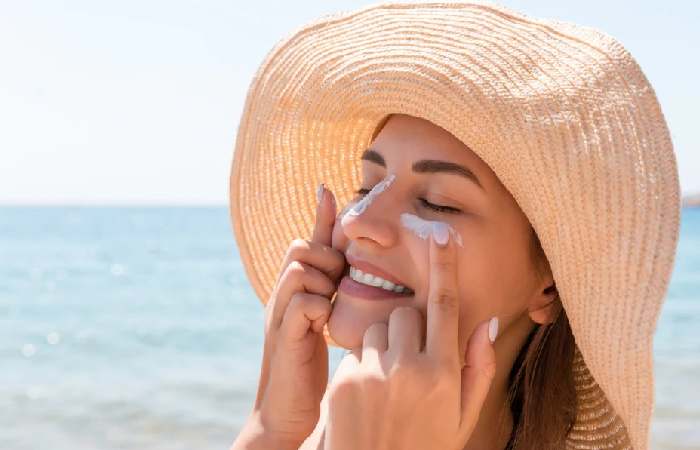
SPF moisturizers on a day basis offer further sun protection.
- Climate
Hot climates require lightweight formulas.
Future Trends in Moisturizers
The moisturizer business is dynamic and has new products.
Key Trends
- AI-based skincare analysis
- Microbiome skincare products
- Sustainable packaging
- Vegan skincare
- Personalized moisturizers
Ingredient-driven skincare (hyaluronic acid, ceramides, peptides) will take up the lead in the industry over the next few years.
Conclusion
Moisturizers remain one of the most crucial skincare products to have a healthy and hydrated skin. As far as the cheap drugstore brands and luxury skincare items are concerned, there is a possibility of picking a product that fits any skin type and most importantly, its price.
It is felt that with advancements in the field of skincare, the modern moisturizers are taking the multitasking form and they can provide hydration, skin barrier repair, anti-aging benefits, and sun protection. They are also often used alongside targeted skincare products such as a vitamin C facial serum as part of a broader skincare routine.The quality and the type of moisturizer chosen based on the type of skin, ingredients and weather can keep the skin and physical condition in large part healthy and presentable.
Saba Mirza is a Health, Wellness & Lifestyle Writer at Being Healthy Life with 3+ years of writing experience. She creates clear, informative, and reader-focused content covering health, wellness, nutrition, fitness, natural health, and lifestyle topics.
View Profile →
Sameena Begum is a health, technology, and digital content reviewer who reviews selected articles to help ensure that information is presented clearly, accurately, and responsibly.
View Profile →
Dr. Syed Imtiaz is a qualified medical professional with MBBS and MD qualifications and 5+ years of experience. As a Medical Reviewer at Being Healthy Life, he reviews selected health and wellness content for medical accuracy, clarity, appropriate context, and responsible presentation.
View Profile →