
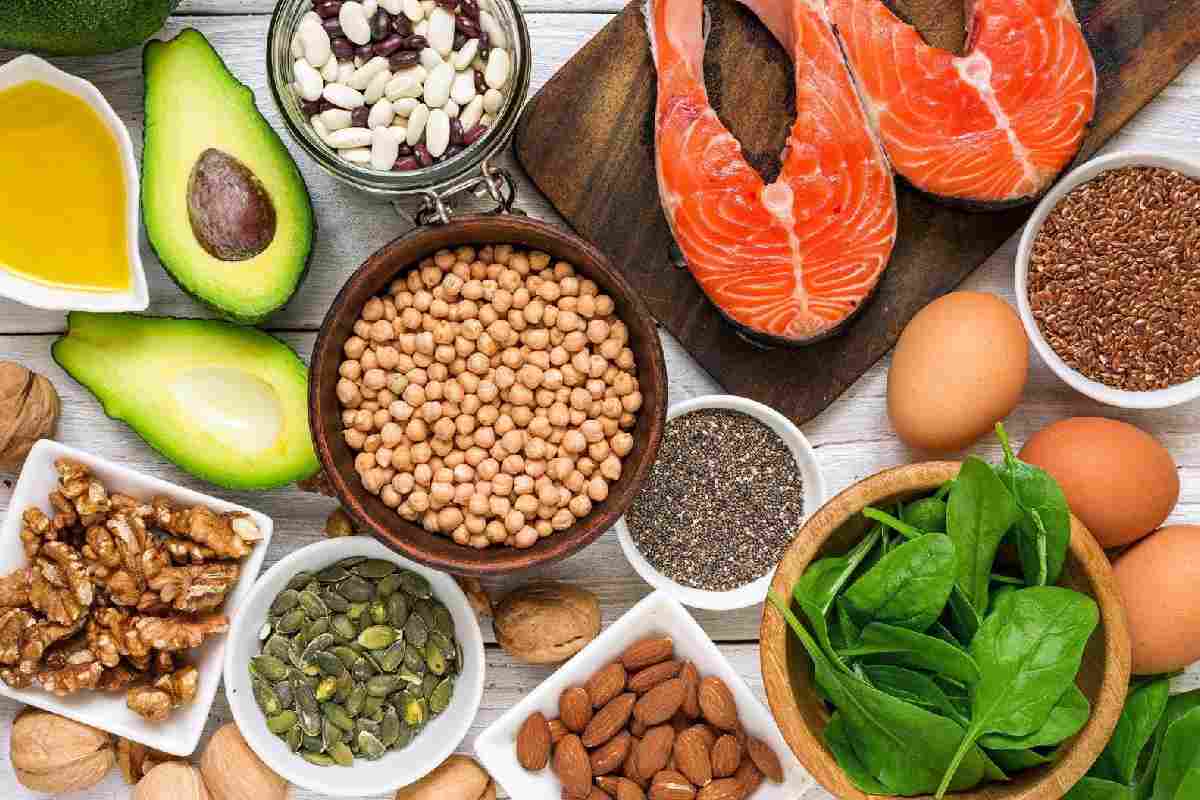
One of the most conducted and useful nutrients to human health is the omega-3 fatty acids. Although they are vital, a good number of individuals do not consume them sufficiently by eating. This guide explains what omega-3s are, why they matter, and how to ensure you’re getting adequate amounts.
Table of Contents
What Are Omega-3 Fatty Acids?
The omega-3 fatty acids are the vital polyunsaturated fats that cannot be produced by the body. It implies that you have to get them either in food or supplements to ensure that you are at your best.
The name of this chemical structure of these fats, or to be more exact, the site of the first double bond of the carbon chain is called omega-3. In contrast to saturated fats, omega-3s are liquid at room temperature, and they are very important in the structure and functions of cell membranes.
Why Omega-3s Are Essential
Your body needs omega-3 fatty acids for several vital functions:
| Reason | Details / Importance |
| Body Cannot Produce Them | Omega-3s are essential fats that must be obtained through diet or supplements. |
| Heart Health | Help reduce triglycerides, lower blood pressure, improve cholesterol, and decrease risk of heart disease. |
| Brain Function | Critical for brain development in infants and maintaining cognitive function in adults. |
| Eye Health | DHA is a major structural component of the retina, supporting vision. |
| Anti-Inflammatory Effects | Reduce chronic inflammation linked to arthritis, autoimmune diseases, and metabolic disorders. |
| Mental Health | Can support mood regulation and reduce symptoms of depression and anxiety. |
| Pregnancy & Infant Development | Supports fetal brain and eye development; may reduce preterm birth risk. |
| Skin & Hair Health | Maintain skin hydration, elasticity, and reduce risk of dryness or irritation. |
| Overall Metabolism | Supports fat metabolism, joint health, and may help in maintaining healthy body composition. |
The Three Types of Omega-3: ALA, EPA, and DHA
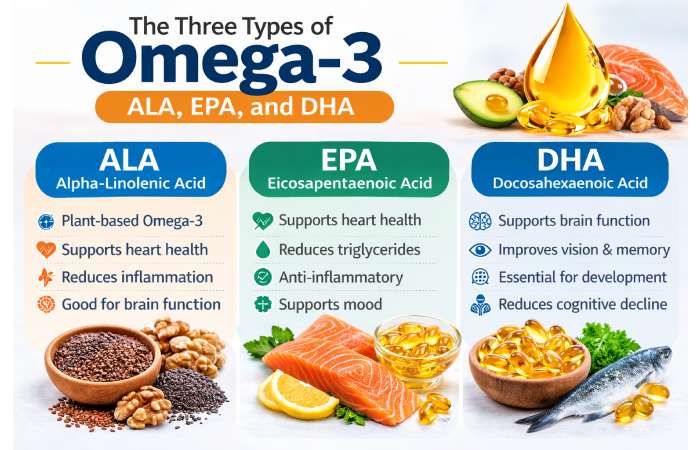
Not all omega-3s work the same way in your body. There are three main types:
Alpha- linolenic acid (ALA): It is only present in vegetable foods such as flaxseeds, chia seeds, and walnuts. Any ALA is however convertible to EPA and DHA in small amounts in your own body, although the conversion process is inefficient, and about 5 to 10 percent is converted.
Eicosapentaenoic acid (EPA): Abundant in fatty fish and fish oil. The primary functions of EPA are to facilitate the wellbeing of the heart, as well as to reduce inflammations within the body.
Docosahexaenoic acid (DHA): This one is also present in fish and algae rich in fat. Top in the brain is DHA that plays a crucial role in the development of the brain, its thinking, and its eye well-being.
Despite the simple omega-3 advantages of ALA, EPA, and DHA have the most advantageous health benefits because the body is capable of utilizing without conversion.
Science-Backed Health Benefits of Omega-3
Research has always shown that the omega-3 type of fatty acid is capable of assisting in a number of things. This is what we can find evidence of in this instance.
| Health Benefit | Details / Evidence |
| Heart Health | Omega-3s (EPA & DHA) help lower triglycerides, reduce blood pressure, improve cholesterol balance, and reduce the risk of heart disease. |
| Brain Function & Cognitive Health | Supports brain development in infants and children; may improve memory, focus, and reduce cognitive decline in adults. |
| Mental Health | Can help reduce symptoms of depression, anxiety, and may support mood regulation. |
| Inflammation Reduction | Anti-inflammatory properties help manage chronic inflammation linked to arthritis, autoimmune conditions, and metabolic syndrome. |
| Eye Health | DHA is a major component of the retina; Omega-3s help reduce the risk of age-related macular degeneration. |
| Pregnancy & Infant Development | Supports fetal brain and eye development; may reduce risk of preterm birth. |
| Skin Health | Helps maintain skin hydration, elasticity, and may reduce acne and eczema symptoms. |
| Joint & Bone Health | May reduce stiffness and pain in rheumatoid arthritis; supports bone strength. |
| Weight Management & Metabolism | Can improve fat metabolism and support healthy body composition. |
Cardiovascular Health and Heart
The cardiovascular benefits of omega-3s are the following ones:
Triglyceride oxidation: EPA and DHA are able to reduce triglycerides by 1530, especially at high dosage. Increased triglycerides lead to cardiovascular disease.
Blood pressure: The omnivorous consumption of omega-3 has a minor yet significant impact on the decreasing of blood pressure especially in those people who have high blood pressure or with high cholesterol levels.
Stability of the plaque: Omega-3s are also able to stabilize the atherosclerotic plaques thereby minimizing their chances of rupturing and causing heart attacks.
Heart rhythm regulation: These fats help maintain normal heart rhythm and may reduce the risk of dangerous arrhythmias.
The American Heart Association suggests the intake of fatty fish at least twice a week as protection against heart disease.
Brain Function and Mental Health
A big proportion of the fat in your brain is almost 60 percent and DHA constitutes a large percentage of that fat.
Cognitive performance: Adequate omega-3 intake supports memory, processing speed, and executive function. Low levels are associated with faster cognitive decline in older adults.
Depression and anxiety: It appears that EPA is particularly useful in the symptoms of depression. According to some of the studies, the omega-3 supplements possess the potential of enhancing the action of the antidepressant drugs.
Water development: the process of pregnancy and early childhood is critical in how the brain and the eyes develop properly under the influence of water development, which is critical in this process. The inadequacy in these ages may affect the cognitive long-term outcomes.
Neurodegenerative protection: Regular omega-3 intake is associated with lower risk of Alzheimer’s disease and age-related mental decline, though more research is needed to confirm direct protective effects.
Inflammation and Joint Support
Most of the modern diseases are linked to chronic inflammation. Omega-3s counter inflammatory mechanisms.
Anti-inflammatory effects: EPA and DHA generate anti-inflammatory molecules resolvins and protectins which are involved in the resolution of inflammation.
Rheumatoid arthritis therapy: According to two reports, the omega-3 supplements reduce the painful experience as well as stiffness and drug needs of rheumatoid arthritis patients.
General inflammation indicators: The regular intake of omega-3 can reduce the levels of C-reactive protein and other inflammation markers in the blood.
The anti-inflammatory properties generally need regular usage in weeks or months.
Eye Health and Vision Protection
DHA is a large structural ingredient of the retina.
Macular degeneration risk: Preliminary studies have shown that higher consumption of omega-3 results in reduced risk of age-related macular degeneration that is considered to be one of the major causes of vision loss.
Dry eye syndrome: Oxidative tears: Oxidative tears may alleviate symptoms of dry eye and reduce the levels of inflammation on the surface of the eye with the help of omega-3 supplements.
Infant vision development: DHA is essential for visual development in infants. Pregnant and nursing mothers with adequate DHA intake support their baby’s eye development.
Best Food Sources of Omega-3
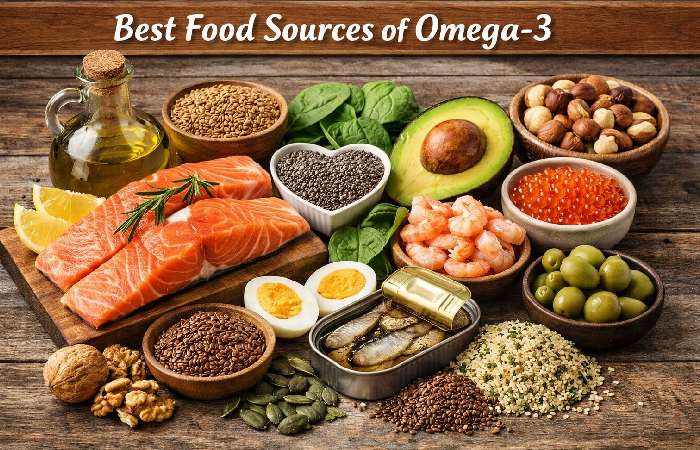
Whole food consumption of omega- 3s also has additional nutrients and is normally the method of choice.
Top Omega-3 Rich Fish and Seafood
Fatty fish provide the highest concentrations of EPA and DHA:
Salmon (wild Atlantic): 2,260 mg per 3-ounce serving
Mackerel: 4,580 mg per 3-ounce serving
Sardines: 1,950 mg per 3-ounce serving
Anchovies: 1,740 mg per 3-ounce serving
Herring: 1,885 mg per 3-ounce serving
Trout (rainbow): 1,000 mg per 3-ounce serving
Oysters: 565 mg per 3-ounce serving
Omega-3 is most abundant in canned fish and it is a cheaper option. Never buy fish that was packed in oil but it should always be packed in water to retain omega-3.
Plant-Based Omega-3 Sources
Sources of ALA that are plant-based have shown to have certain advantages despite their convertibility to EPA/DHA although not with good conversion:
Flaxseeds (ground): 2,350 mg ALA per tablespoon
Chia seeds: 2,140 mg ALA per tablespoon
Walnuts: 2,570 mg ALA per ¼ cup
Hemp seeds: 1,000 mg ALA per tablespoon
Edamame: 560 mg ALA per cup
Brussels sprouts: 270 mg ALA per cup cooked
Grind flaxseeds before eating to improve absorption. Whole flaxseeds may pass through your digestive system intact.
Fortified Foods and Other Options
Many products now include added omega-3:
- Omega-3 enriched eggs (150–200 mg per egg)
- Fortified milk and yogurt
- Omega-3 fortified orange juice
- Certain breads and cereals
Check labels to determine omega-3 content and type. There are those products that contain ALA and those that contain EPA/DHA either as algae or fish oil.
How Much Omega-3 Do You Need?
Different people have different age, health conditions, and needs of omega-3 depending on their health status and age.
Recommended Dietary Intake by Age and Health status
General adult health: 250–500 mg combined EPA and DHA daily. This is the minimum threshold of the cardiovascular and brain capabilities.
Heart health support: 1,000 mg combined EPA and DHA. Such level is prescribed to individuals with cardiovascular risk factors by most cardiologists.
High triglycerides: 2,000-4,000mg of combine EPA and DHA medically. This is why omega-3 products are prescribed.
Pregnancy and nursing: 300 to 900 mg daily of DHA to ensure brain development of the fetus and infants.
Children: 50–100 mg combined EPA and DHA per day for young children, increasing with age.
The general health recommendation included by most health organizations is to eat fatty fish two times a week, which generally gives enough EPA and DHA.
Signs of Omega-3 Deficiency
Omega-3 deficiency is uncommon in developed nations though inadequate consumption is typical. Possible signs include:
- Dry, flaky skin
- Dull or brittle hair and nails
- Difficulty concentrating or memory problems
- Joint pain and stiffness
- Fatigue
- Poor circulation (cold hands and feet)
- Mood changes or depression
There are numerous possible causes of these symptoms and therefore cannot assume that they are caused by omega-3 deficiency without the required assessment.
Omega-3 Supplements: What You should know
When dietary sources of omega-3 are inadequate, it is convenient to supplement omega-3.
Fish Oil vs. Krill Oil vs. Algae Oil
Fish oil: This is the most popular and the most researched omega-3 supplement. Usually contains 300-1000mg of omega-3 per capsule. Cost-effective and widely available.
Krill oil: Contains omega-3 in phospholipid form, which may enhance absorption. Contain also astaxanthin, which is an antioxidant. Costlier than fish oil that has a comparable amount of omega-3.
Algae oil: Plant-based DHA and EPA source suitable for vegetarians and vegans. Environmentally sustainable. Typically more expensive than fish oil.
Each of the three forms is effective to increase the level of omega-3 in the blood. Select depending on diet, financial capability, and environmental issues. (Mayo Clinic)
How to Choose a Quality Supplement
Find the following quality indicators:
Third-party testing: Labels from USP, NSF International, or IFOS indicate independent quality verification.
Omega-3 content: Check the label for actual EPA and DHA amounts, not just total fish oil. A 1,000 mg fish oil capsule might contain only 300 mg omega-3.
Form: Triglyceride or re-esterified triglyceride forms absorb better than ethyl ester forms. Check the supplement facts panel.
Freshness: Good supplements contain antioxidants such as vitamin E hence they do not get oxidized. Expiration date of checks and suspicious smell.
Purity:Tested brands can be guaranteed to be free of mercury, PCBs etc.
When to Take Omega-3 Supplements
Mixed with food: Supplements of omega-3 are absorbed better when taken along with food that contains fat. Your meal contains the fat that aids in the absorption of the omega-3 into the body.
Consistency matters: Take supplements at the same time daily to build a routine. Noon or evening both labor–banish, as thou wilt.
Divide into half: When dosage is more than 2,000mg per day, divide into two doses to enhance absorption and prevent digestive irritation.
Storage: Keep supplements in a cool, dark place. Refrigeration can extend shelf life.
Omega-3 vs. Omega-6: Understanding the Balance
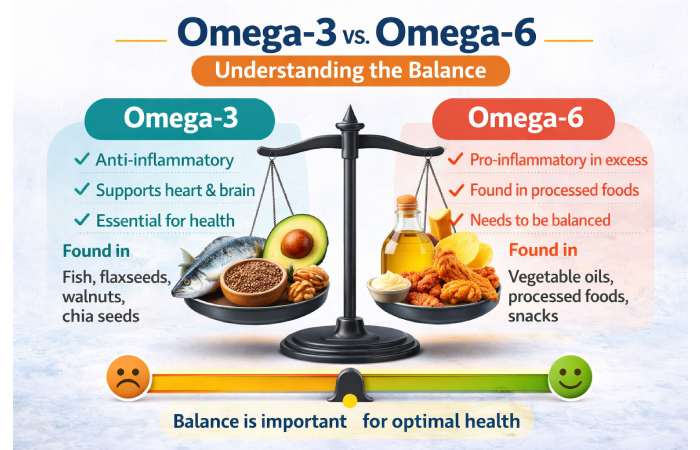
Omega-3 and omega-6 fatty acids are both necessary, although there is a balance.
| Aspect | Omega-3 Fatty Acids | Omega-6 Fatty Acids | Notes on Balance |
| Types | ALA (plant-based), EPA & DHA (marine-based) | LA (linoleic acid), AA (arachidonic acid) | Both are essential fats, meaning the body cannot produce them and must get them from diet. |
| Primary Sources | Fatty fish (salmon, sardines), flaxseeds, chia seeds, walnuts | Vegetable oils (corn, sunflower, soybean), nuts, seeds | Modern diets often have excess Omega-6 compared to Omega-3. |
| Key Functions | Anti-inflammatory, supports heart, brain, eye, and joint health | Pro-inflammatory in excess (important for immune response), supports skin and growth | Balance is crucial: ideal ratio is roughly 1:1 to 4:1 (Omega-6:Omega-3) |
| Health Impact of Imbalance | Deficiency may lead to cognitive decline, poor heart health, mood disorders | Excess can promote chronic inflammation, increasing risk of heart disease, obesity, and autoimmune conditions | Reducing Omega-6 intake while increasing Omega-3 improves overall health outcomes |
| Recommended Intake | About 250–500 mg/day of combined EPA & DHA for adults | Varies, but excess is common in Western diets | Focus on increasing Omega-3-rich foods and moderating Omega-6 oils |
Practical Tips to Increase Your Omega-3 Intake
The increase in omega-3 can be dramatically high with only simple changes in your food:
Start with fish: To start with, you will not be a regular fish eater, so you will have to start with less intense fish like salmon or trout. One of the snacks is quick and inexpensive sardine on whole grain crackers.
Add ground flaxseed strategically: Sprinkle 1–2 tablespoons on oatmeal, yogurt, or smoothies. To prevent the oxidation of store ground flaxed, store it in the refrigerator.
Swap your snacks: Replace chips with walnuts or trail mix containing walnuts and seeds.
Choose omega-3 eggs: The small price premium provides an easy daily boost, especially if you eat eggs regularly.
Use flax or walnut oil for cold applications: Drizzle on salads or cooked vegetables. Don’t heat these oils as high temperatures damage omega-3s.
Keep canned fish stocked: Sardines, salmon, and mackerel are pantry staples that last months and cost less than fresh fish.
Try a weekly fish goal: Aim for two servings of fatty fish weekly. Meal prep a salmon dinner and keep canned sardines for lunch.
Frequently Asked Questions About Omega-3
Can you get too much omega-3?
Yes, but not very often out of food. Very large doses (more than 3000 mg/day) are likely to produce blood loss or depressed immunity or cause gastrointestinal discomfort. Stick to recommended doses unless under medical supervision.
Do omega-3 supplements really work?
Research has shown that supplements are useful in enhancing the amount of omega-3 in the blood and positively impact particularly on triglyceride reduction and inflammation. However, complete food sources are nutrient-rich and they are normally preferable in the event they are available.
What will become of you in case you do not get enough omega-3?
Chronic low intake may increase risk of heart disease, cognitive decline, depression, and inflammatory conditions. However, severe deficiency is rare in developed countries.
Are omega-3 supplements safe during pregnancy?
Yes, the omega-3 supplements particularly DHA are beneficial in developing the fetal brain. Consume purified supplements containing detectable contaminants as opposed to the oils containing a large amount of vitamin A in fish liver. Request your health practitioner on how to take it.
Which is better: fish oil or algae oil?
Both are useful in raising the amounts of omega-3. Fish oil is less expensive and more researched. Algae oil is vegan/vegetarian and poses no danger of fish allergens and sea contamination.
How long does it take for omega-3 to work?
The increase in blood omega-3 takes a few days to weeks. Any observable inflammatory improvements, mood improvements or joint pain usually take 6-12 weeks of regular consumption.
Can omega-3 help with depression?
Whereas certain studies point obut that omega-3 supplements (and more so EPA), have the potential to depressive symptoms and enhance the efficacy of antidepressants, others do not point out the same. Results vary individually, and omega-3s shouldn’t replace professional mental health treatment.
Should I worry about mercury in fish?
Large predatory fish (shark, swordfish, king mackerel) accumulate more mercury. Lower amounts of mercury can be consumed in salmon, sardines and trout which are smaller fatty fish and eaten normally. The best sources of omega-3 are refined to get rid of mercury.
Key Takeaways
Omega-3 fatty acids are essential fats your body needs but cannot produce. The three forms; ALA, EPA and DHA promote brain health, inflammation control, heart health and eye health.
Fatty fish like salmon, mackerel, and sardines provide the richest sources of EPA and DHA. Flaxseeds, chia seeds and walnuts are sources of plant, but are less susceptible to EPA/DHA conversion.
The majority of adults are able to gain 250-500mg each day in the form of combined EPA and DHA, which is easily obtained by consuming two portions of fatty fish per week. Supplements present a convenient option in cases where nutrition is not taken properly.
Use third-party tested quality supplements, consume them with meals to enhance absorption and take them daily to maximize their effect.
The intake of omega-3 and omega-6 in the body is balanced by eating more foods rich in omega-3, which aids in maintaining good health as well as countering the effects of chronic inflammation prevalent in low-nutrient diets in modern times.