
Scabies Prevention
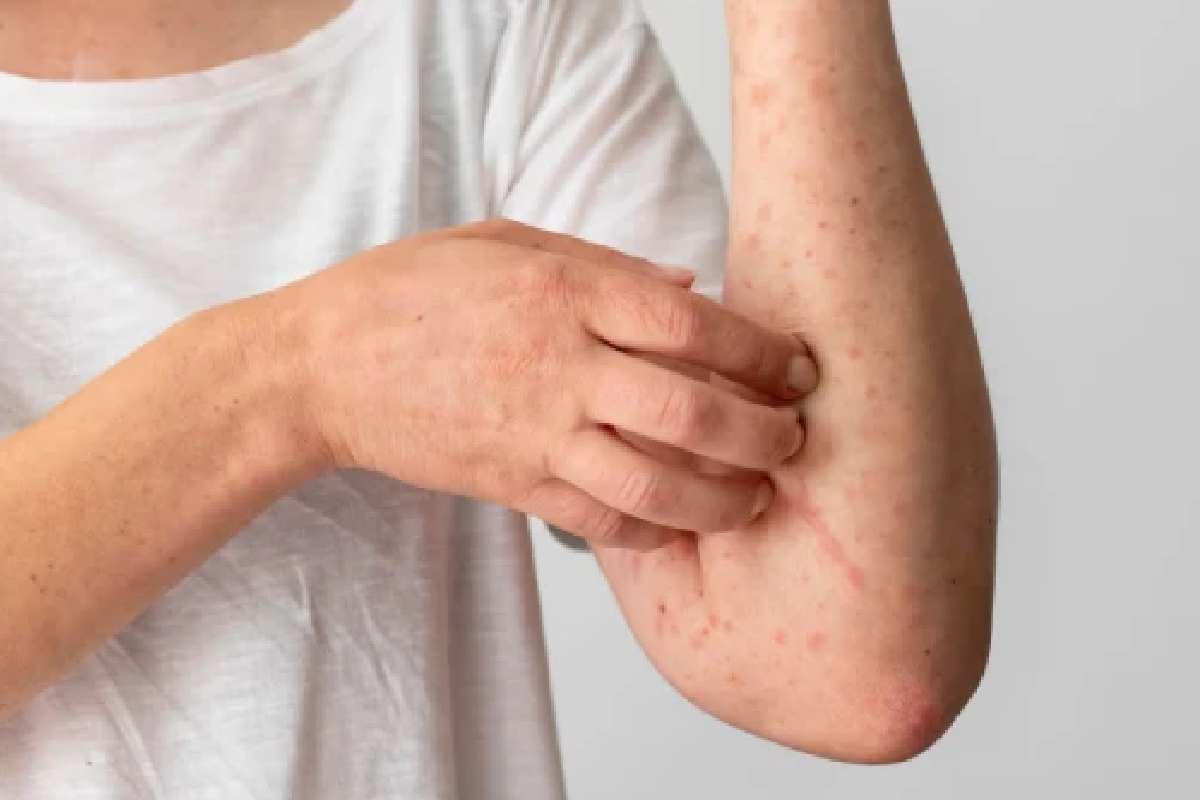
Scabies is an alternative skin infection that is very widespread and transmissible and is transmitted by microscopic mites referred to as Sarcoptes scabiei. These microscopic parasites inhabit the upper skin layer where they feed, reproduce eggs, and live. Consequently, infected patients usually develop high levels of itching, skin rashes and irritation which is usually aggravated at night.
Table of Contents
Scabies
Scabies is a disease that can occur to individuals of all ages and types and it is transmitted easily through close body contact or sharing of contaminated garments, beddings and even personal stuff.
Prevention is a significant factor of the spread of scabies especially on families, schools, nursing homes and other populated areas due to its contagiousness. Appropriate precaution measures such as good hygiene, long duration of skin-to-skin contacts with infected individuals and frequent washing of clothes and bedding could significantly reduce the process of transmission.
Being informed on the transmission method of the scabies and knowing the appropriate preventive strategies can enable the individual and people in general to guard themselves and others against infection. This paper will discuss the best approaches to scabies prevention, early detection, curative measures, and the steps that can be taken in practice to reduce outbreaks and have healthy skin.
Key points about scabies:
| Key Point | Details |
| Cause | Infestation by the Sarcoptes scabiei mite. |
| Contagious | Highly contagious, especially in close living conditions such as households, nursing homes, or dormitories. |
| Symptoms | Intense itching (especially at night), rash, burrows under the skin, and sometimes secondary bacterial infections from scratching. |
| Duration | Symptoms appear 2–6 weeks after first exposure; in people previously exposed, they may appear within days. |
| Treatment | Prescription topical creams (e.g., permethrin 5%) or oral medications (e.g., ivermectin). All close contacts may need treatment to prevent reinfestation. |
Understanding How Scabies Spreads
In order to successfully avoid scabies, one should be aware of the pattern of the disease spread. Scabies is a disease that is caused by microscopic mites known as Sarcoptes scabiei which penetrate the upper layer of the human skin to live and reproduce.
These mites spread mainly through:
- Prolonged Skin-to-Skin Contact
The most common method of transmission is direct physical contact. This includes:
- Holding hands for long periods
- Sleeping in the same bed
- Sexual contact
- Caring for infected individuals
Because of this, scabies spreads quickly in environments such as:
- Nursing homes
- Schools
- Childcare centers
- Military barracks
- Prisons
- Sharing Personal Items
Although less common, mites can also spread through contaminated objects such as:
- Clothing
- Towels
- Bedding
- Blankets
Mites can survive 24–72 hours outside the human body, which allows them to infect another person who uses these items. (Cleveland Clinic)
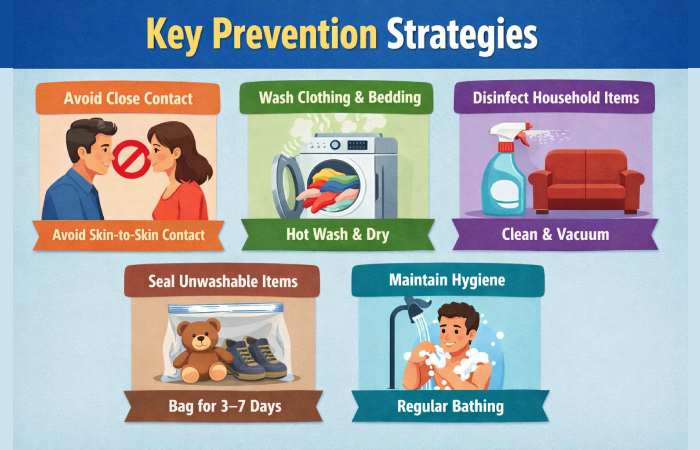
Key Prevention Strategies
- Avoid Close Physical Contact
If someone has scabies, direct contact should be avoided until treatment is completed.
Important precautions include:
- Avoid hugging or skin contact
- Do not share beds
- Avoid intimate contact
- Limit caregiving exposure
Family members living in the same household should seek preventive treatment, even if they do not show symptoms.
- Wash Clothing and Bedding Properly
Clothing and bedding used by an infected person should be cleaned carefully.
Recommended method:
- Wash items in hot water (at least 50–60°C / 122–140°F)
- Dry in a hot dryer cycle
- Iron fabrics if possible
This process kills mites and eggs effectively.
Items that should be washed include:
- Bedsheets
- Pillowcases
- Towels
- Underwear
- Nightwear
- Recently worn clothes
- Disinfect Household Surfaces
Although mites do not survive long on surfaces, cleaning household areas reduces the chance of reinfection.
Focus on cleaning:
- Mattress surfaces
- Sofas and chairs
- Carpets
- Car seats
- Door handles
- Bathroom surfaces
Using common disinfectants or vacuuming surfaces helps remove mites. (Mayo Clinic)
- Seal Unwashable Items
Items that cannot be washed can be placed in airtight plastic bags.
Recommended duration:
- Seal items for 3 to 7 days
Without access to human skin, the mites will die due to lack of food.
Items to seal include:
- Shoes
- Plush toys
- Pillows
- Jackets
- Decorative cushions
- Maintain Good Personal Hygiene
While hygiene alone cannot completely prevent scabies, it can significantly reduce the risk of infestation.
Important hygiene practices include:
- Regular bathing
- Keeping fingernails trimmed
- Washing hands frequently
- Avoiding scratching skin excessively
Scratching may cause skin breaks that allow secondary infections.
Preventing Scabies in Families
Scabies easily spreads among family members living in close quarters.
Recommended family prevention steps:
- Treat all household members simultaneously
- Wash all shared fabrics
- Avoid sharing towels or clothes
- Clean common furniture and bedding
Even if someone does not show symptoms, doctors often recommend treatment because symptoms can take 2–6 weeks to appear.
Preventing Scabies in Schools and Workplaces
Scabies outbreaks can occur in crowded environments.
Prevention tips for schools
- Encourage students not to share clothing
- Notify parents if outbreaks occur
- Temporarily isolate infected individuals
- Clean shared surfaces regularly
Workplace prevention
Employees should:
- Avoid direct contact with infected colleagues
- Avoid sharing personal items
- Inform management if symptoms appear
Medical personnel are supposed to adhere to safety measures when attending to infected patients.
Preventing Crusted Scabies
A severe form known as Crusted Scabies can occur in individuals with weakened immune systems.
It contains millions of mites, making it extremely contagious.
The high risks people are:
- Elderly patients
- People with weakened immunity
- Individuals with neurological disorders
- Patients with HIV/AIDS
The preventive steps to high-risk groups include:
- Early diagnosis
- Immediate isolation
- Strict hygiene measures
- Routine skin checks
What are the symptoms of scabies?
| Symptom | Description / Details |
| Itching (Pruritus) | Intense, especially at night; most common symptom. |
| Rash | Red, pimple-like bumps; may form blisters or scales. |
| Burrows | Thin, grayish, or skin-colored lines caused by mites under the skin. |
| Sores / Secondary Infection | Resulting from scratching; can lead to bacterial infections. |
| Thickened Skin (Crusted Scabies) | In severe cases, skin may become thick and scaly. |
| Location Specificity | Common in webbing of fingers, wrists, elbows, armpits, waistline, genital area, and buttocks. |
| Nail Changes | Thickened, discolored, or deformed nails (rare; mostly in crusted scabies). |
Early Signs to Watch For
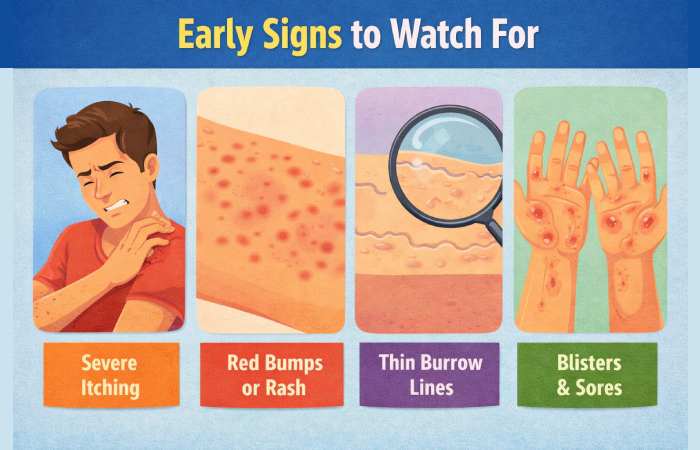
Preventing scabies outbreaks becomes easier if symptoms are recognized early.
Common early symptoms include:
- Severe itching (especially at night)
- Red bumps or rashes
- Thin burrow lines on the skin
- Blisters or sores from scratching
Common areas affected:
- Between fingers
- Wrists
- Elbows
- Waist
- Armpits
- Genital area
Children may also develop symptoms on:
- Scalp
- Palms
- Soles of feet
Early medical consultation prevents further spread.
Cost of Scabies Treatment
Although prevention is ideal, treatment is sometimes necessary. Below are approximate treatment costs.
| Medication | Average Price (India) | Average Price (USA) | Type |
| Permethrin Cream 5% | ₹120 – ₹350 | $20 – $60 | Topical |
| Ivermectin Tablets | ₹40 – ₹150 per tablet | $5 – $10 per tablet | Oral |
| Benzyl Benzoate Lotion | ₹80 – ₹200 | $10 – $25 | Topical |
| Sulfur Ointment | ₹100 – ₹300 | $15 – $40 | Topical |
| Crotamiton Cream | ₹200 – ₹500 | $30 – $70 | Topical |
Prices may vary depending on brand, pharmacy, and country.
Natural Measures That May Help Reduce Risk
Although natural remedies can not help to kill mites, it is possible that it helps to make the skin healthier and alleviate symptoms.
Common supportive remedies include:
Tea Tree Oil
The tea tree oil is a natural antimicrobial. Other studies indicate that it can be used to minimize the number of mites.
Usage:
- Dilute with carrier oil
- Apply gently to affected areas
Aloe Vera
Aloe Vera is able to treat irritated skin and decrease the itching.
Benefits include:
- Anti-inflammatory properties
- Skin hydration
- Cooling effect
Oatmeal Baths
Colloidal oatmeal baths are also popular in relieving itch due to most skin related diseases.
Benefits:
- Reduces irritation
- Moisturizes skin
- Provides soothing relief
Popular Myths about the Prevention of Scabies
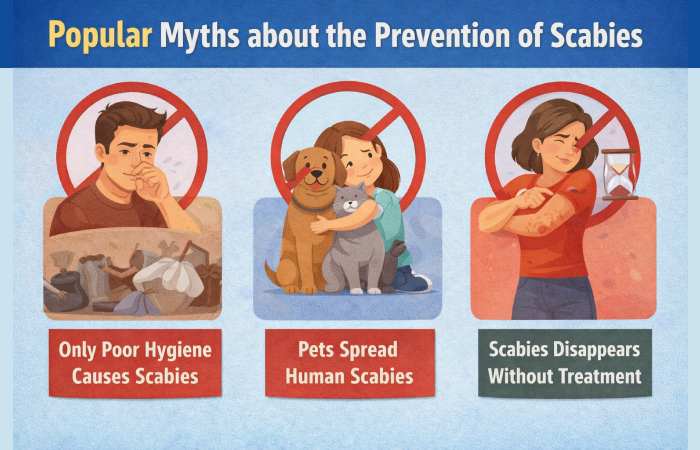
Myth 1: Only Poor Hygiene Causes Scabies
Anyone can be scabies irrespective of their hygiene or social standing. Even a clean environment can have an outbreak.
Myth 2: Pets Spread Human Scabies
Human scabies mite mostly infect human beings. Mites on animals are normally incapable of surviving a long time within human skin.
Myth 3: Scabies Disappears Without Treatment
Without treatment, scabies can persist for months and spread to others.
When to See a Doctor
Medical consultation is recommended if:
- Severe itching continues for weeks
- Skin rashes spread rapidly
- Multiple family members develop symptoms
- Over-the-counter treatments do not work
Dermatologists diagnose scabies through:
- Skin examination
- Microscopic testing
- Skin scraping
Long-Term Prevention Tips
To reduce the risk of future scabies outbreaks:
- Avoid sharing clothing and bedding
- Maintain personal hygiene
- Seek early treatment
- Educate family members about symptoms
- Keep living environments clean
These practices significantly lower the chance of reinfection.
Conclusion
Prevention of scabies needs personal hygiene, early scabies detection, cleaning the environment, and medical intervention when needed. The disease is contagious and requires close contact, thus an extra measure must be carried out by families and schools and medical institutions to avoid the outbreaks.
Though natural remedies might be beneficial in relieving the symptoms, they cannot substitute medical care. The most appropriate means of removing mites is early diagnosis and appropriate medications that will help in the prevention of further transmission.
With the help of the right preventive strategies such as washing clothes in hot water, not being in close contact with infected people, sealing of infected objects as well as consulting medical help, people can greatly contribute to decreasing the risk of infection by scabies as well as having a healthier skin.