
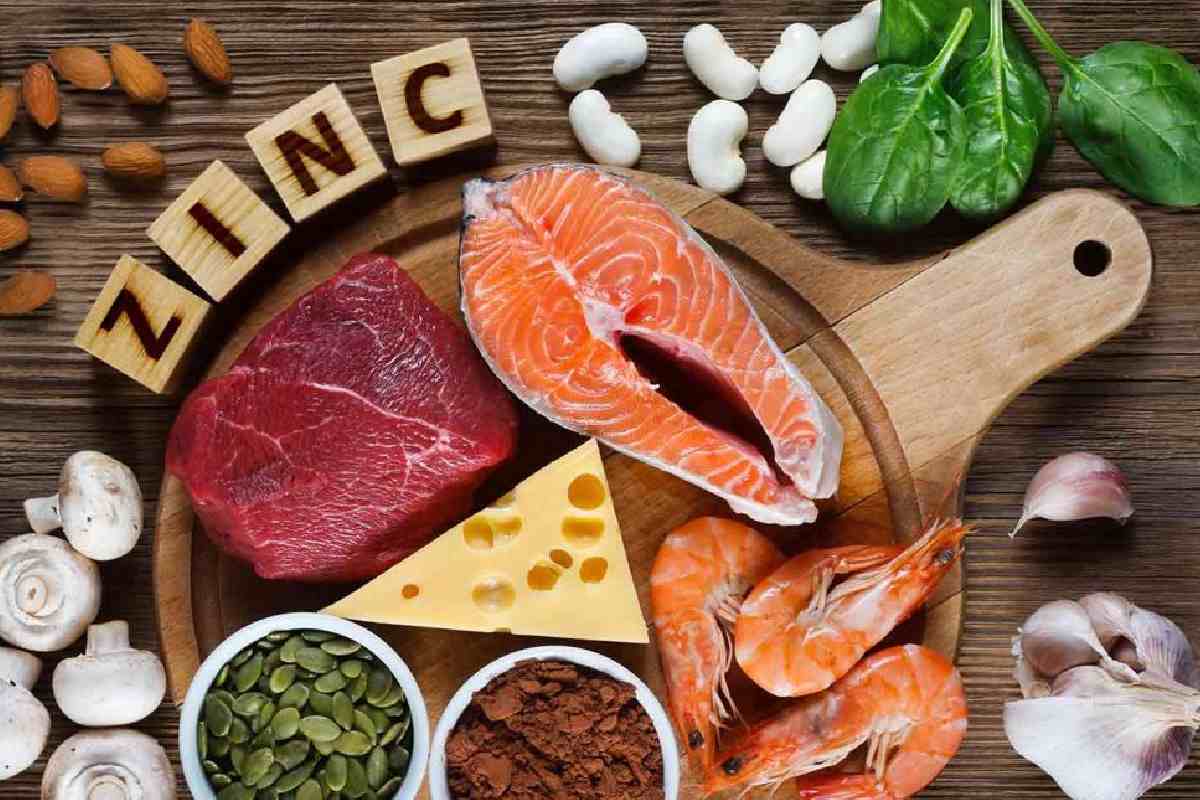
Zinc Health benefits is a very important organic for the body. It is present in many processes at the brain level and is also present in all body tissues and fluids, and is considered one of the most powerful antioxidants.
The functions of this essential nutrient are vital for cell growth and development , for its role in the immune system, cell division, the formation of DNA and proteins , as well as in the perception of smells and flavors.
Knowing the properties, benefits and therapeutic uses of zinc will be an incentive to incorporate it into the daily diet, either naturally or through supplements.
Table of Contents
Daily Recommended Intake of Zinc
Zinc requirements vary by age, sex, and physiological state (pregnancy/lactation). According to the National Institutes of Health Office of Dietary Supplements:
| Age Group | Recommended Daily Intake |
| Infants (0–6 months) | 2 mg |
| Infants (7–12 months) | 3 mg |
| Children (1–3 years) | 3 mg |
| Children (4–8 years) | 5 mg |
| Children (9–13 years) | 8 mg |
| Boys (14–18 years) | 11 mg |
| Girls (14–18 years) | 9 mg |
| Adult Men | 11 mg |
| Adult Women | 8 mg |
| Pregnant Women | 11–12 mg |
| Lactating Women | 12–13 mg |
Zinc and its Functions
Symbol : Zn
Atomic mass : 65.38 u
Atomic number : 30
Electronic configuration : [Ar] 3d¹⁰4s²
Melting point : 419.5°C
Discovery : 1746
Oxide : Amphoteric
Zinc is an indispensable mineral that plays a fundamental role in the regeneration of cellular tissues and in the synthesis of DNA. It is an active part of the enzymes involved in the metabolism of fats, proteins and carbohydrates.
Among its many functions, the following can be highlighted:
- It intervenes in metabolic processes at the digestive and nervous levels.
- Its immune function helps the body to adapt to seasonal climate changes.
- It has a key role in protein synthesis.
- Facilitates the wound healing process.
- Neutralizes free radicals and protects skin cells.
- It is involved in stabilizing the structure of insulin, which maintains the balance of glucose concentration in the blood .
Symptoms of Zinc Deficiency
Zinc deficiency is clinically associated with both dermatological and immunological manifestations:
- Delayed wound healing
- Hair loss (Alopecia)
- Loss of appetite
- Frequent infections
- Hypogonadism in males
- Skin lesions
- White spots on nails
- Diarrhea
- Impaired taste sensation (Hypogeusia)
- Growth retardation in children
- Reduced fertility
- Night blindness
Populations at higher risk:
- Vegetarians/Vegans
- Pregnant women
- Chronic alcohol users
- Individuals with gastrointestinal disorders
- Patients with chronic kidney disease
- Elderly individuals
Properties And Benefits Of Zinc
Adequate zinc intake helps the body improve its ability to relieve inflammation , but it also benefits the body in multiple ways, including those discussed below.
Helps The Proper Functioning of The Immune System
This mineral is essential for immune cells to function properly. Therefore, zinc supplements can improve the body’s immune response , and protect cells against oxidative damage. (Mayo Clinic)
Its contribution at the immunological level is due to its role in the development of T lymphocytes, which in turn stimulate T cells, which are responsible for fighting infections. In fact, according to certain clinical trials, zinc tablets can reduce the duration of the common cold by around 33%.
Promotes Wound Healing
Zinc has positive effects on wound healing as it promotes collagen synthesis . For this reason, many health specialists use it together with vitamin C, to accelerate the healing of pressure ulcers, which are known as bedsores.
It Has Anti-Inflammatory Action
Some types of inflammation are related to our DNA. Zinc works as a modulator of the genes that cause inflammation , so it can change the way they are expressed.
On the other hand, since inflammation is related to oxidative stress (there is an imbalance between free radicals, which can reason cell harm, and antioxidants), zinc as an antioxidant allows to balance the two sides.
Improves Cognitive Function
The relationship between Alzheimer’s and trace elements such as zinc is still under investigation. It seems that maintaining stable levels of this mineral may be key to relieving symptoms or preventing Alzheimer’s.
Zinc is recommended that pregnant women have a diet rich in zinc in addition to treatment with folic acid and iron, to achieve adequate fetal development. It has been shown that zinc deficiency negatively affects neuronal maturation , also affecting other parts of the body, where learning and the entire cognitive process are impaired.
Best Natural Food Sources of Zinc
| Food Source | Zinc Content (per 100g approx.) |
| Oysters | 16–182 mg |
| Pumpkin Seeds | 7–8 mg |
| Beef | 4–5 mg |
| Chickpeas | 3 mg |
| Cashew Nuts | 5–6 mg |
| Eggs | 1.3 mg |
| Quinoa | 1–2 mg |
| Lentils | 1.5 mg |
| Yogurt | 1 mg |
Types of Zinc Supplements
Different formulations exhibit varying intestinal absorption efficiency:
| Supplement Type | Absorption Rate | Clinical Use |
| Zinc Picolinate | High | General deficiency |
| Zinc Gluconate | Moderate | Immunity support |
| Zinc Sulfate | Low–Moderate | Therapeutic use |
| Zinc Acetate | High | Cold treatment |
| Zinc Citrate | Moderate–High | Digestive support |
| Zinc Oxide | Low | Topical use |
Medical Uses of Zinc
Zinc supplementation may be necessary, especially in people who have malabsorption problems or are deficient in this mineral. Of sequence, this should first be discussed with a health specialist or pharmacist.
In general, almost all multivitamin with mineral supplements contain zinc . It is also available alone in supplements or in combination with calcium, magnesium or other ingredients.
Zinc Supplement Market Price Analysis (India – 2026)
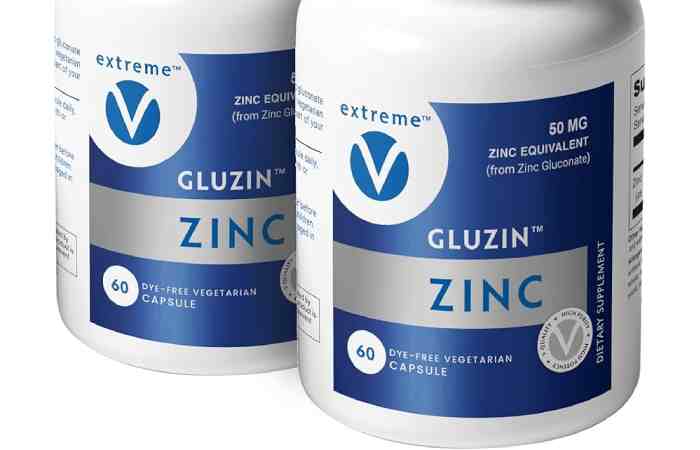
Commonly available OTC Zinc supplements in India:
| Brand | Composition | Approx. Price (INR) |
| Zincovit Tablets | Zinc + Multivitamins | ₹95 – ₹140 (15 tabs) |
| Becosules Z Capsules | Zinc + B-Complex | ₹120 – ₹180 (20 caps) |
| HealthKart Zinc Tablets | Zinc Gluconate | ₹350 – ₹500 (60 tabs) |
| Carbamide Forte Zinc | Zinc Citrate | ₹450 – ₹650 (120 tabs) |
| Himalaya Wellness Zinc Complex | Zinc + Herbs | ₹180 – ₹250 |
Zinc for Skin Health
Topical Zinc is used in:
- Acne vulgaris
- Seborrheic dermatitis
- Rosacea
- Diaper rash
- Melasma
- Eczema
- Psoriasis
- UV protection (Sunscreens)
Mechanism:
- Reduces sebum secretion
- Antimicrobial activity
- Anti-inflammatory action
- Promotes epithelial regeneration
Drug–Nutrient Interactions
Zinc supplementation may interfere with:
- Antibiotics (Tetracycline, Quinolones)
- Diuretics (Thiazides)
- Penicillamine
- Iron supplements
- Calcium supplements
Clinical recommendation:
Maintain a 2–3 hour administration gap between zinc and these medications.
Upper Tolerable Limit (UL)
Excess zinc intake may lead to:
- Nausea
- Vomiting
- Copper deficiency
- Reduced HDL cholesterol
- Immunosuppression
- Abdominal cramps
Upper Limit for Adults: 40 mg/day (chronic intake)
Zinc in Special Clinical Conditions
- Diabetes Mellitus
- Male Infertility
- Age-related Macular Degeneration (AMD)
- Attention Deficit Hyperactivity Disorder (ADHD)
- Rheumatoid Arthritis
- Wilson’s Disease
- Chronic Liver Disease
Zinc acts as a cofactor in over 300 enzymatic reactions relevant to metabolic homeostasis.
Global Zinc Deficiency Statistics
As per the World Health Organization:
- ~17% of the global population is at risk of inadequate zinc intake
- South Asia shows the highest prevalence
- Major contributing factor: cereal-based diets high in phytates
Conclusion
As an ingredient in protective creams with zinc oxide , it protects the skin from external agents and increases the dermis’ defenses, as well as preventing the appearance of bacteria and fungi , such as water-based pastes for changing babies’ diapers.
This mineral is also present in some oral over-the-counter specialties, such as homeopathic medicines for colds.