
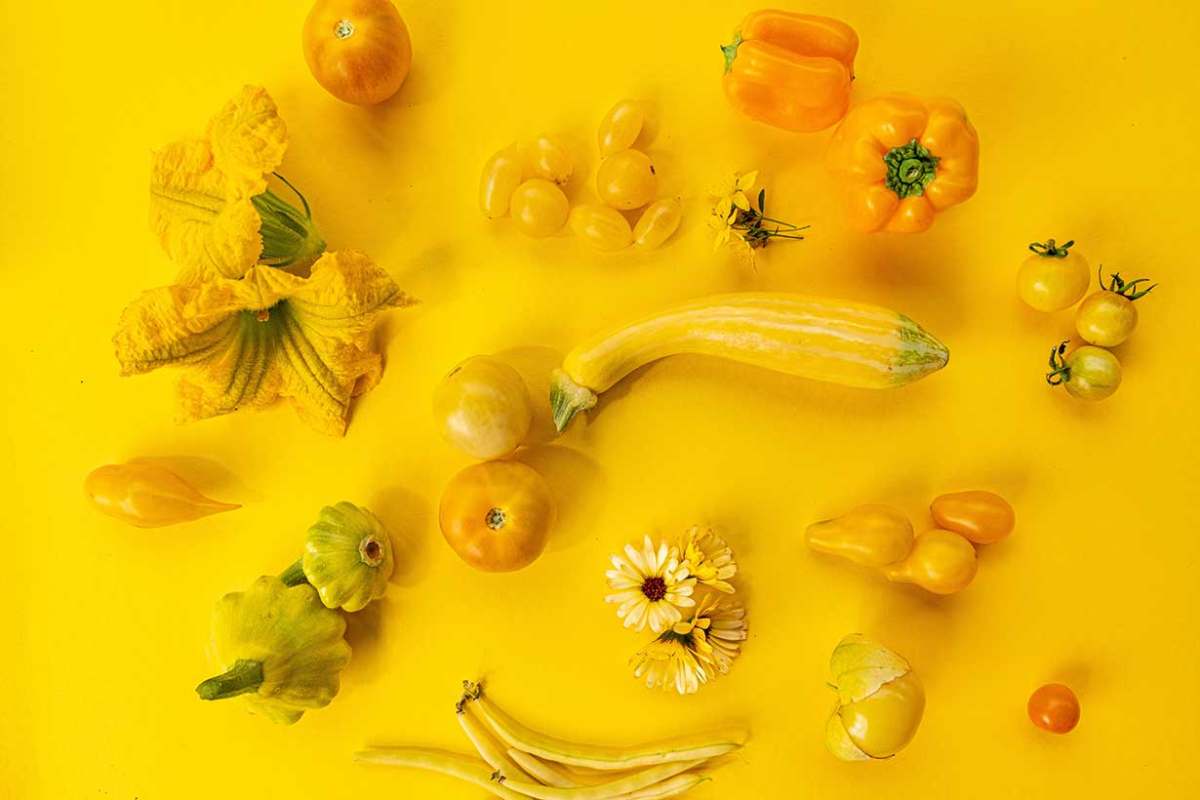
Balanced diet is largely made of yellow vegetables. Their color is normally bright meaning that they contain carotenoids, flavonoids, vitamins and antioxidants that boost their immunity, vision and overall health. The vegetables also are a subject to high consumption in other cultures and cuisines and are not only being valued because of their nutritional benefits, but also because of their cost-effectiveness and range of preparation methods.
this article belongs to Healthy Foods
The vegetables of the yellow color get their color mainly by alpha-carotene, beta-carotene, lutein and zeaxanthin, the substances that protect the body against oxidative stress and chronic diseases. The majority of these nutrients are converted to vitamin A that is an essential nutrient in acquiring healthy eyesight, skin and immunity.
In the past few years, dieticians and nutritionists have emphasized on the importance of consuming a wide range of vegetables of different colors in order to ensure that the diet has different phytonutrients.
Table of Contents
What Are Yellow Vegetables?
Yellow vegetables are vegetables with yellow or yellow-orange meat or skin as a result of natural pigments known as carotenoids. These are antioxidants and have a certain nutritional value to the vegetable.
Key characteristics of yellow vegetables
- Rich in beta-carotene and alpha-carotene
- Adequate vitamin A and vitamin C source.
- Provide fiber and potassium
- Have antioxidants e.g. lutein and zeaxanthin
- Support immune system and eye health
Most of the yellow vegetables fall under the following categories:
- Root vegetables
- Gourds
- Legumes
- Nightshade vegetables
- Grain vegetables (like corn)
Major Nutrients Found in Yellow Vegetables
Yellow vegetables are nutritionally dense foods containing multiple essential nutrients.
| Nutrient | Role in the Body | Examples of Yellow Vegetables |
| Beta-Carotene | Converts into Vitamin A, supports vision | Carrot, pumpkin |
| Vitamin C | Boosts immune system | Yellow pepper |
| Potassium | Maintains blood pressure | Sweet potato |
| Fiber | Improves digestion | Corn, squash |
| Lutein & Zeaxanthin | Eye health | Yellow zucchini |
These nutrients work together to reduce oxidative damage and improve overall body function.
List of Common Yellow Vegetables
Below are some of the most commonly consumed yellow vegetables worldwide.
| Vegetable | Category | Key Nutrients |
| Carrot | Root vegetable | Beta-carotene, fiber |
| Pumpkin | Gourd | Vitamin A, potassium |
| Yellow bell pepper | Fruit vegetable | Vitamin C |
| Corn | Grain vegetable | Fiber, B vitamins |
| Yellow zucchini | Summer squash | Vitamin C |
| Yellow tomato | Nightshade | Lycopene |
| Yellow beans | Legume | Protein, fiber |
| Golden beet | Root vegetable | Folate |
| Yellow potatoes | Tuber | Potassium |
| Rutabaga | Root vegetable | Vitamin C |
These vegetables provide significant levels of antioxidants and essential nutrients beneficial to human health.
Nutritional Comparison of Popular Yellow Vegetables
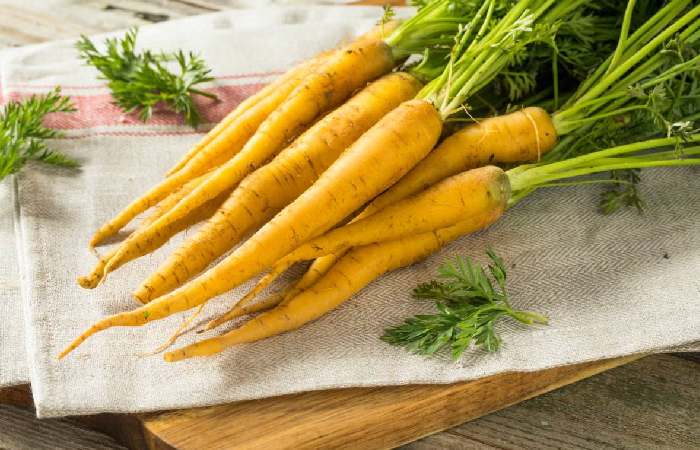
| Vegetable | Calories (100g) | Vitamin A | Vitamin C | Fiber |
| Carrot | 41 kcal | Very High | Moderate | 2.8 g |
| Pumpkin | 26 kcal | Extremely High | Moderate | 0.5 g |
| Yellow Pepper | 27 kcal | Moderate | Very High | 1 g |
| Corn | 86 kcal | Low | Moderate | 2.7 g |
| Sweet Potato | 86 kcal | High | Moderate | 3 g |
Observations
- Carrots and pumpkins are the best sources of vitamin A.
- Yellow peppers provide extremely high vitamin C levels.
- Sweet potatoes deliver both fiber and carbohydrates for energy.
Top Health Benefits of Yellow Vegetables
- Supports Eye Health
Lutein and zeaxanthin are carotenoids that aid in protecting against the retina and lessening the threat of the macular degeneration.
Benefits include:
- Improved night vision
- Reduced risk of cataracts
- Protection from blue light damage
- Boosts Immune System
Lots of yellow vegetables have vitamin C and antioxidant, which improves the immune response.
Examples:
- Yellow peppers
- Pumpkin
- Sweet potatoes
Vitamin C assists in the catalyzing of white blood cell production that prevents infections.
- Improves Skin and Hair Health
Carotenoids and antioxidants help maintain:
- Healthy skin cells
- Strong hair growth
- Protection against UV damage
Frequent use can also enhance the skin tone in terms of elasticity and hydration.
- Reduces Risk of Chronic Diseases
The literature indicates that high diets in yellow vegetables can reduce the risk of:
- Heart disease
- Cancer
- Type-2 diabetes
- Mental health disorders
This is because of antioxidants that counter dangerous free radicals.
- Supports Digestive Health
Fiber-rich yellow vegetables such as corn and squash help:
- Improve digestion
- Prevent constipation
- Maintain healthy gut bacteria
Yellow Vegetables Used in Global Cuisine
Different countries incorporate yellow vegetables into their traditional diets.
| Country | Common Yellow Vegetable Dishes |
| India | Pumpkin curry, corn chaat |
| Mexico | Corn tortillas |
| Italy | Pumpkin risotto |
| Japan | Sweet potato tempura |
| Thailand | Yellow curry with pumpkin |
These vegetables are versatile and can be used in soups, curries, salads, or roasted dishes. (academic)
Average Price of Yellow Vegetables (India)
| Vegetable | Average Price per Kg (INR) |
| Carrot | ₹40 – ₹80 |
| Pumpkin | ₹30 – ₹60 |
| Corn | ₹25 – ₹50 |
| Sweet Potato | ₹50 – ₹70 |
| Yellow Bell Pepper | ₹120 – ₹200 |
Prices vary depending on season, region, and supply.
International Price Comparison of Yellow Vegetables
| Vegetable | India | USA | UK | Australia |
| Carrot | $0.60/kg | $1.50/kg | $1.70/kg | $2/kg |
| Pumpkin | $0.50/kg | $1.80/kg | $2/kg | $2.5/kg |
| Corn | $0.40/kg | $1.20/kg | $1.30/kg | $1.8/kg |
| Yellow Pepper | $2/kg | $4/kg | $3.5/kg | $5/kg |
| Sweet Potato | $0.80/kg | $2/kg | $2.3/kg | $3/kg |
Key Insight
- Developing countries produce vegetables at lower cost due to local farming.
- Developed countries experience higher retail prices due to transportation and packaging.
Global Production of Yellow Vegetables
| Vegetable | Major Producing Countries |
| Carrot | China, India, Russia |
| Pumpkin | China, India, Ukraine |
| Corn | USA, China, Brazil |
| Sweet Potato | China, Nigeria, Indonesia |
| Bell Pepper | China, Mexico, Spain |
China remains the largest producer of several yellow vegetables due to extensive agricultural infrastructure.
Market Trends for Yellow Vegetables
The global vegetable market has grown rapidly due to rising health awareness.
Market drivers
- Demand for organic vegetables
- Increased focus on plant-based diets
- Growth in functional foods
Market statistics
| Year | Global Vegetable Market Value |
| 2020 | $1.1 trillion |
| 2023 | $1.3 trillion |
| 2026 (Projected) | $1.6 trillion |
Yellow vegetables play a significant role in this market because of their high nutritional value.
Competitor Content Analysis (Top Ranking Pages)
| Website | Content Focus | Strengths |
| Healthline | Health benefits of yellow vegetables | Strong medical credibility |
| Nutrition Advance | Nutritional breakdown | Detailed nutrient tables |
| Verywell Health | Specific vegetable benefits | Expert-reviewed content |
| Medical News Today | Health and disease prevention | Research-backed articles |
High quality content must have:
- Price comparisons
- Nutritional tables
- Market insights
- Global production data
How to Include Yellow Vegetables in Your Diet
Here are simple ways to incorporate them into daily meals.
Breakfast
- Sweet potato hash
- Pumpkin smoothie
- Corn omelet
A fruit-and-vegetable-based breakfast can also include colorful produce such as dragon fruit for additional variety.
Lunch
- Yellow pepper salad
- Pumpkin soup
- Roasted carrot bowl
Dinner

- Pumpkin curry
- Corn stir fry
- Stuffed yellow peppers
Recommended Daily Intake
Health organizations prescribe 400g of fruits and vegetables daily.
For optimal benefits:
- Eat 120g of yellow vegetables a day.
- Blend with other vegetables like the color green, red, and purple.
Adding vegetables in different forms can make it easier to build variety into meals. For example, green smoothies can provide another convenient way to include green produce alongside yellow vegetables.
Storage and Preservation Tips
| Vegetable | Storage Method | Shelf Life |
| Carrots | Refrigerated | 2–3 weeks |
| Pumpkin | Cool dry place | 1–2 months |
| Corn | Refrigerated | 5–7 days |
| Yellow Pepper | Refrigerator | 1–2 weeks |
Proper storage helps maintain nutritional quality.
Future Innovations in Yellow Vegetables
To address vitamin A deficiency agricultural scientists are producing bio fortified agricultural products like yellow cassava which has an increased amount of beta-carotene.
These may be used to solve malnutrition in developing nations. (HRI)
Conclusion
Vegetables like carrots and pumpkin are highly essential in a healthy diet. They are good sources of antioxidants, vitamins, and minerals that are beneficial in eye health, immunity, maintenance of digestion and well being. Their vivid color demonstrates the presence of carotenoids and phytonutrients which protect the body against pathological diseases.
Other than it being healthy, yellow vegetables are also very widespread, affordable and can be prepared in numerous ways. With the world continuing to be informed about healthy food and the positive impact of consuming vegetables, the sales of healthy vegetables such as carrots, pumpkins, sweet potatoes, and yellow peppers will continue to grow with high rate in the coming years.
Including yellow vegetables in daily food is one of the simplest ways of raising the level of nutrition in the organism of a person and spending long and healthy life.
What kind of fruit is the blueberry? can also be explored as another way to add variety to a diet that includes colorful plant foods.