
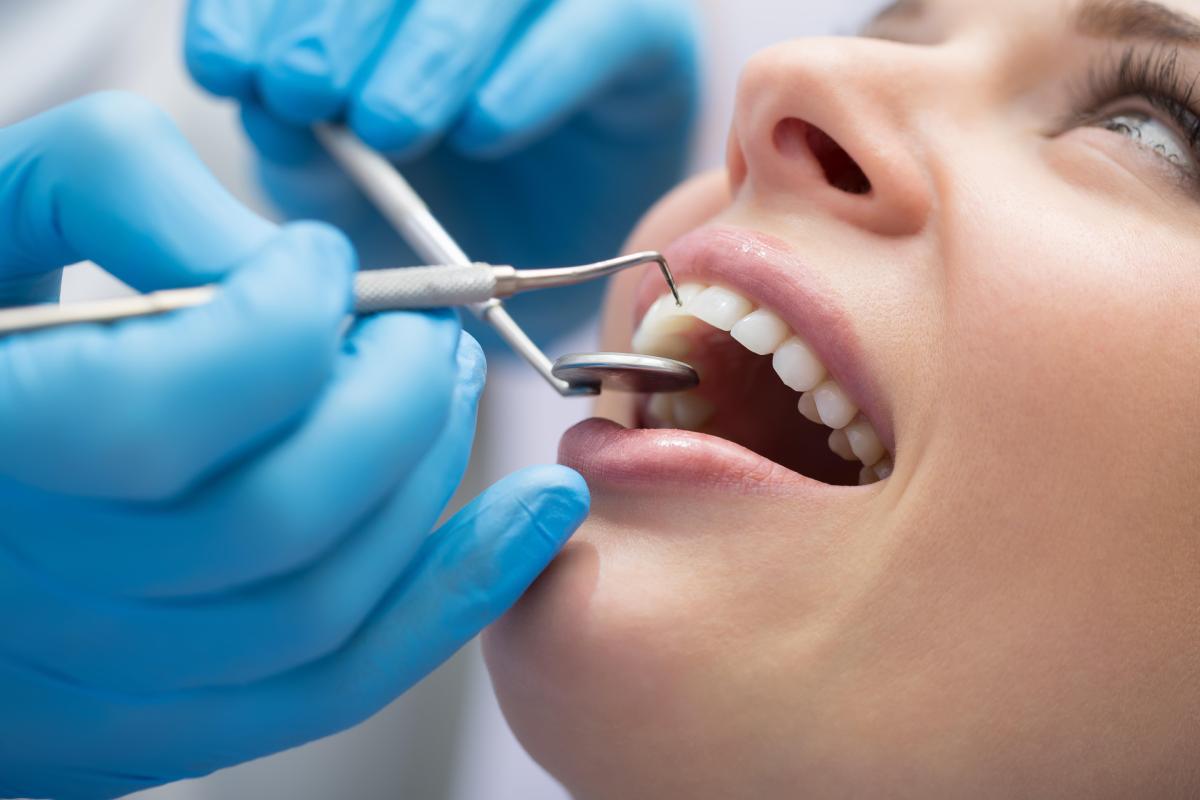



Are you looking for a new dentist, or want to ensure the one you have is up to date on the latest dental treatments? Whatever your reason, it’s essential to ask your dentist questions.
Your health is related to your oral health, and thus you need to discuss with your dentist any changes that you might experience in their office. The following are 8 important questions to pose to your dentist prior to choosing whether to hire them or not.
Table of Contents
8 Important Things to Ask Your Dentist
-
Are you up to date on the most modern dental practices?
A dentist is an expert in your oral treatment and it is crucial to ensure that you are left to the right hands. A question to a dentist of whether they are aware of the current knowledge in the modern dental practices will alleviate your mind because you are certain that such a dentist had extensive knowledge of current trends and practices in the field of dentistry.
In addition, the idea of staying abreast with emerging trends may be a good idea, and hence, ensure that the treatment is as less invasive and effective as it can be. It is not bad to ask questions and it is always good to be safe as far as your patients dental health is concerned.
-
What type of insurance do you accept?
The most important thing to do when getting your dental treatent is to ask your dentist which kind of insurance he/she accepts in order to be the most insured in terms of your dental treatment. The insurance cover will assist in finding out how much it will cost you to receive checkups, cleaning, X-rays, and any other services or procedures suggested by your dentist.
Ask about any special discount and advantage a certain plan could provide. Knowing the kind of insurance that is accepted by your dentist is a useful way of tracking down the cost aspect of finance and would also involve the possibility of some high-technology methods and a high-technology procedure.
-
What are my treatment options?
You should be informed about the advantages and disadvantages of every option that is available to you before making your decision about your oral health. Discuss it with your dentist first – he/she will be able to recommend you the best treatment which is appropriate following your needs and budget.
To illustrate, when considering contemporary and inconspicuous teeth straightening therapy, such as Byte or Invisalign straight-jackets, it is crucial to study the disparities between the two and the possible risks and choose one of them over the other. Such minor variations may be critical in attaining the aims of dental which are only well known by the professionally trained people to give advice accordingly.
-
How often should I come in for checkups?
The frequency of visits to the doctor will remind you to not fall behind in the prevention process of problems before they escalate to the point you are aware of any kind of treatment you may be undergoing currently as well.
Routine visits will also be important to detect cavities early on, gum disease, suspicious growths, keep a check on existing dental work and also assist in keeping the oral hygiene habits good. These visits can also be used by your dentist to observe the possible teeth whitening treatments or other cosmetic surgeries that can be of help to you.
-
Do you have any recommendations for at-home dental care?
Asking your dentist for recommendations for at-home dental care is integral to keeping your teeth healthy. A good dentist can provide detailed advice based on your particularities, such as the type of enamel you have and any particular health issues that could impact your oral hygiene.
This information in advance means that the products that you buy are the ones that are most appropriate to fit your needs and that it is also meant specifically to meet your oral health journey. Moreover, in case of some special cleaning methods or other peculiarities of how to make dental care an inseparable part of the everyday life, they will guide and support on the way.
-
When should I expect results from my treatment plan?
The need to know the time when outcome of a treatment plan is expected cannot be underestimated. Knowing the timing, you can plan more about any changes in the lifestyle or a working schedule in accordance with the requirements of the treatment. Also, you must make sure that the results that you would want are as expected.
This question can be asked to make sure that the expectations and the outcomes can be aligned. Above all, the timeline issue can be tackled to make sure that you are exploiting all possible insurance cover and other available resources that might be offered.
-
How much will my treatment cost?
You have to communicate with your dentist on money matters so that you do not get shocked at the end of the day when you have to pay a lot. The prices of the possible treatments and services have various price tags, and it is always better to have a clear outline of how much you will spend beforehand so that you do not have to spend more than you had anticipated.
Moreover, in case you are just elaborating on what the cost of any specific procedure or service is going to be at the time of your appointment, having a conversation with your dentist can in effect make them capable of describing the possibilities and the price attached to it.
-
Are there any side effects associated with my dental treatments?
There are two reasons as to why you should inquire of your dentist whether there are any side effects of treatments. The first and the foremost is the awareness of what the dangers of any procedure would be, so you are doing the correct decision of your dental health.
Secondly, it is better to know the possible side effects so that you could arrange in case they happen, to be prepared is generally the best way to have your way out of a difficult situation. It is necessary to add that your dentist is there to assist and guide you to the best oral health, and this person is trained to give you knowledge of any possible effect the treatment may bring to your health.
Additional Questions to Ask Your Dentist
-
What is your approach to preventive dentistry?
Preventive dentistry is no longer limited to brushing and flossing advice. Modern practices emphasize risk-based prevention, where dentists evaluate your likelihood of developing issues like Dental Caries or Periodontal Disease.
You should ask whether your dentist:
- Uses caries risk assessment tools
- Recommends fluoride varnish or sealants
- Tracks gum pocket depth over time
- Provides diet-based prevention strategies
A prevention-focused dentist reduces long-term costs and invasive procedures.
-
What technology and diagnostic tools do you use?
Modern dentistry heavily relies on advanced diagnostics. Ask specifically about:
- Digital X-rays (lower radiation)
- Intraoral cameras
- 3D imaging (CBCT scans)
- Laser dentistry tools
Why it matters:
Advanced tools improve accuracy in detecting hidden decay, bone loss, and infections early.
Typical Cost (India):
- Digital X-ray: ₹100 – ₹500
- CBCT Scan: ₹2,000 – ₹6,000
-
How do you handle dental anxiety or pain management?
Dental anxiety is clinically recognized and affects treatment outcomes. Ask about:
- Sedation options (oral sedation, nitrous oxide)
- Local anesthesia techniques
- Pain-free dentistry approaches
Clinics that prioritize patient comfort often adopt minimally invasive dentistry, reducing recovery time.
-
What qualifications, certifications, or specializations do you have?
Not all dentists have the same expertise. Some specialize in:
- Orthodontics (braces, aligners)
- Endodontics (root canals)
- Prosthodontics (implants, crowns)
You can also ask if they are affiliated with organizations like:
- Indian Dental Association
This helps validate credibility and adherence to updated standards.
-
What is your emergency care policy?
Dental emergencies can include:
- Severe toothache
- Knocked-out tooth
- Abscess or swelling
Ask:
- Do they provide same-day appointments?
- Are after-hours services available?
- Do they have referral networks?
Emergency Costs (India):
- Consultation: ₹300 – ₹1,000
- Emergency extraction: ₹1,000 – ₹4,000
-
What materials do you use for treatments?
Dental materials directly impact durability, aesthetics, and cost.
Common materials:
- Composite resin (tooth-colored fillings)
- Amalgam (less common now)
- Zirconia crowns
- Porcelain veneers
Example Costs (India):
| Treatment | Material | Price Range |
| Filling | Composite | ₹800 – ₹2,500 |
| Crown | Zirconia | ₹8,000 – ₹20,000 |
| Crown | Metal-ceramic | ₹3,000 – ₹10,000 |
Ask about longevity, safety, and appearance.
-
How do you approach long-term treatment planning?
Instead of isolated treatments, good dentists provide comprehensive treatment plans.
Ask for:
- A phased roadmap (short-term + long-term)
- Preventive vs corrective strategies
- Expected lifespan of treatments
This is especially important if you are considering:
- Dental implants
- Full mouth rehabilitation
- Orthodontic correction
-
Can you show before-and-after cases or patient results?
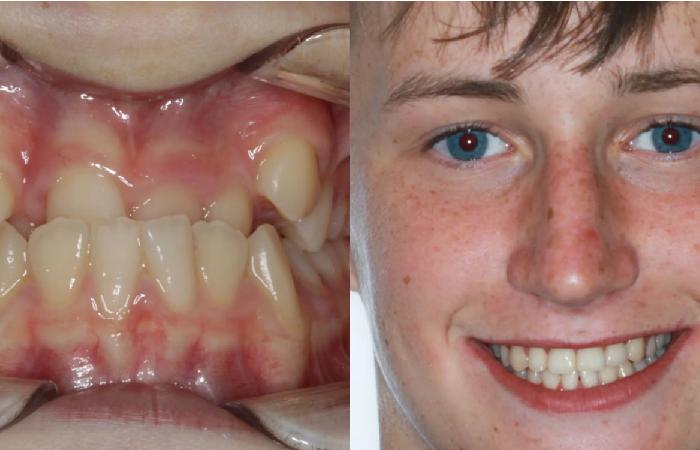
This is critical for cosmetic and corrective procedures.
Ask for:
- Real patient case studies
- Digital smile design previews
- Treatment simulations
This helps set realistic expectations and evaluate skill level.
-
What lifestyle or dietary changes should I make?
Oral health is strongly linked to diet and habits.
Dentists may recommend:
- Reducing sugar intake (prevents Dental Caries)
- Avoiding tobacco (linked to oral cancer and gum disease)
- Increasing calcium and vitamin D intake
You can also ask about:
- Effects of coffee, tea, or alcohol on enamel
- Impact of acidic foods
You can also discuss your overall caffeine intake with your healthcare provider, especially if you experience symptoms such as difficulty breathing after consuming too much caffeine. Read more about whether too much caffeine can make it hard to breathe.
-
How do you ensure infection control and sterilization?
Post-COVID, sterilization protocols are critical.
Ask about:
- Autoclave sterilization
- Disposable instruments
- PPE usage
- Clinic hygiene standards
A well-maintained clinic reduces risk of cross-contamination.
-
What are the alternatives if I delay treatment?
This question is often overlooked but extremely valuable.
For example:
- Untreated cavities → Root canal → Extraction
- Gum disease → Tooth mobility → Tooth loss
Understanding consequences helps prioritize treatment urgency.
-
Do you offer EMI or flexible payment options?
Dental treatments can be expensive, especially for procedures like implants or aligners.
Ask about:
- Monthly payment plans
- Third-party financing
- Package deals
Typical Costs (India):
| Procedure | Price Range |
| Root Canal | ₹3,000 – ₹10,000 |
| Dental Implant | ₹25,000 – ₹60,000 per tooth |
| Invisalign/Aligners | ₹80,000 – ₹3,50,000 |
Cost Breakdown of Common Dental Treatments
| Treatment | Average Cost |
| Consultation | ₹200 – ₹800 |
| Teeth Cleaning (Scaling) | ₹1,000 – ₹3,000 |
| Teeth Whitening | ₹5,000 – ₹15,000 |
| Braces | ₹25,000 – ₹1,50,000 |
| Aligners | ₹80,000 – ₹3,50,000 |
| Wisdom Tooth Extraction | ₹2,000 – ₹10,000 |
Note: Costs vary based on city, clinic reputation, and technology used.
Red Flags to Watch for When Choosing a Dentist
- No clear explanation of treatment plans
- Lack of transparent pricing
- Outdated equipment
- Poor hygiene standards
- Pressure to opt for expensive procedures
- No documented patient reviews or case studies
How to Prepare Before Visiting Your Dentist
Your dentist should also know about any ongoing medical conditions or treatments that may affect your dental care. If you have a neurological condition, it can be useful to discuss how it may affect your dental visits and treatment. You can also explore essential tremor management or multiple sclerosis care for additional health information.
If you are experiencing symptoms that may indicate a serious health condition, it is important to seek appropriate medical evaluation rather than relying on dental care alone. For general information about Hirnhautentzundung Symptome, you can review the related health resource.
To get maximum value from your consultation, it can also help to review useful health and wellness resources before your appointment:
- List your symptoms and concerns
- Carry previous dental records/X-rays
- Note medications and medical history (IDA)
- Prepare questions (use this article as a checklist)
- Review relevant health information, such as this CVS Health survey guide, when preparing for healthcare discussions
- If you have a chronic condition such as type 2 diabetes, mention it to your dentist because your overall health can be relevant when planning dental care.
Ask Away
It is very important to consult a professional in order to take care of your dental health. By simply posing the right questions to your dentist, you are actually making sure that you are well-informed, and ready to make all the necessary changes or adjustments to enjoy as much of the treatment as you can.
Keep in mind that it is a perfect solution to become an informed patient, who can take care of his or her oral health and well-being. It is with this in mind that you should not be afraid of asking any questions to your dentist.
Conclusion
Although it is important to ask right questions, it is also important to know the wider picture of dental care including technology and costs, as well as in terms of preventive measures, so that you are not only a passive consumer but a decision-maker. A competent dentist will be open to such questions and give you clear and evidence-based answers that will support your long-term oral health objectives.
Saba Mirza is a Health, Wellness & Lifestyle Writer at Being Healthy Life with 3+ years of writing experience. She creates clear, informative, and reader-focused content covering health, wellness, nutrition, fitness, natural health, and lifestyle topics.
View Profile →
Sameena Begum is a health, technology, and digital content reviewer who reviews selected articles to help ensure that information is presented clearly, accurately, and responsibly.
View Profile →
Dr. Syed Imtiaz is a qualified medical professional with MBBS and MD qualifications and 5+ years of experience. As a Medical Reviewer at Being Healthy Life, he reviews selected health and wellness content for medical accuracy, clarity, appropriate context, and responsible presentation.
View Profile →