
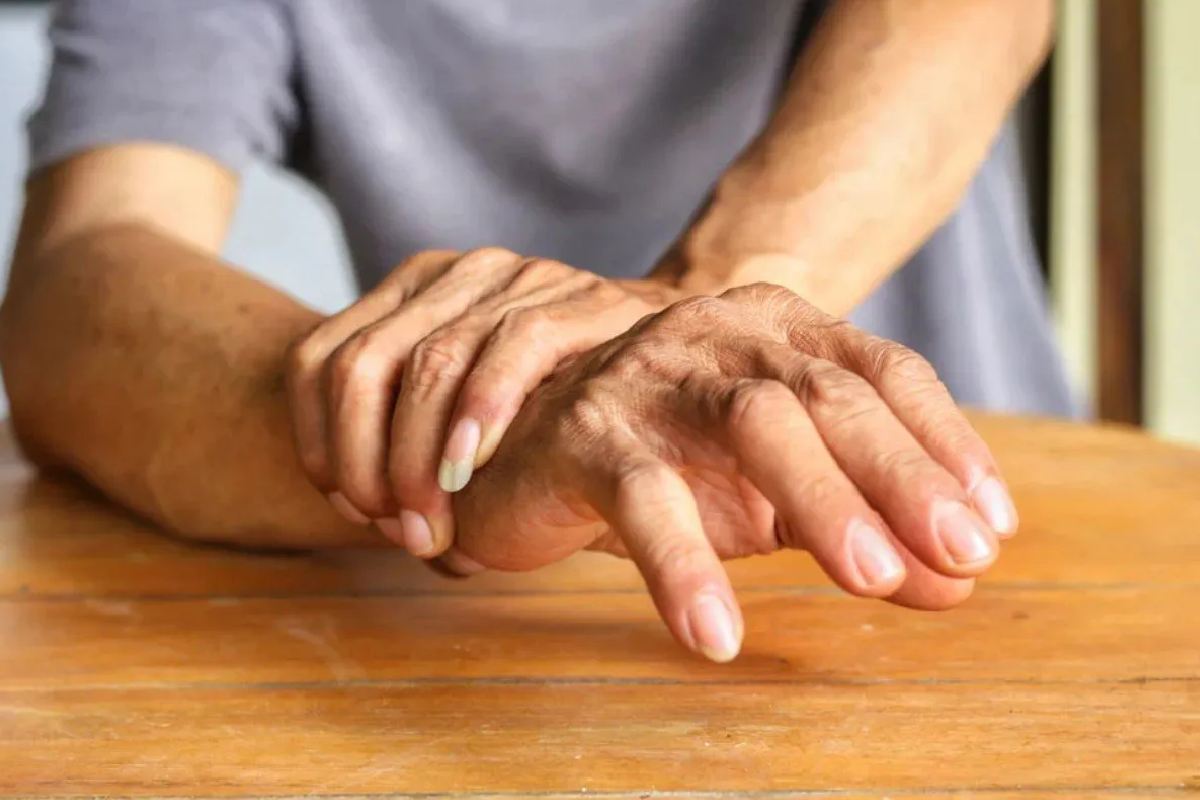
The medical community’s understanding and approach to essential tremor (ET) have evolved significantly over the years. Central to this evolution are clinical trials, which serve as the backbone for validating new treatments and interventions. This article delves into the importance of clinical trials in the realm of essential tremor management and how they pave the way for innovations like the Steadi-Two glove.
Table of Contents
The Essence of Clinical Trials
Clinical trials are organized research procedures which test the safety and efficacy of fresh medical procedures, whether medications, machines or medical regimens. These trials are carefully planned and the findings of the trials made are sure and can be applied in a wider population.
In the case of such conditions as essential tremor, clinical trials give invaluable experience of the possible advantages and disadvantages of the new treatments. They provide a systematic research framework to test the hypothesis, confirm findings and to ensure that any emerging intervention undergoes the rigorous research standards of the regulatory authorities.
Understanding Tremor Types and Differential Diagnosis
Effective tremor management begins with precise classification. Tremors are not a single condition but a symptom spectrum:
- Essential Tremor (ET): Action tremor, often hereditary
- Parkinsonian Tremor: Resting tremor, typically unilateral initially
- Dystonic Tremor: Associated with abnormal postures
- Cerebellar Tremor: Intention tremor linked to coordination deficits
- Physiological Tremor: Enhanced by stress, caffeine, or fatigue
Diagnostic Tools
- Neurological Examination: First-line clinical evaluation
- Accelerometry & Electromyography (EMG): Quantifies tremor frequency and amplitude
- MRI/CT Scans: Rule out structural abnormalities
- DaTscan Imaging: Differentiates Parkinsonian syndromes from ET
Accurate diagnosis prevents mismanagement and ensures targeted therapy.
Pharmacological Management: Drug Classes and Costs
While your content mentions emerging drugs, here is a broader pharmacological landscape:
First-Line Medications
- Propranolol (Beta-blocker)
- Cost (India): ₹50–₹200/month
- Reduces tremor amplitude by ~50%
- Primidone (Anticonvulsant)
- Cost: ₹100–₹300/month
- Effective but may cause sedation initially
Second-Line Options
- Topiramate
- Cost: ₹300–₹800/month
- Gabapentin
- Cost: ₹400–₹1,200/month
- Clonazepam
- Used for anxiety-related tremors
Advanced/Experimental Drugs
- Ulixacaltamide (under trials)
- Not commercially priced yet
- Octanol derivatives
- Investigational stage
Limitations
- Diminishing efficacy over time
- Side effects (fatigue, dizziness, cognitive slowing)
- Not curative—symptom management only
Recent Breakthroughs in Essential Tremor Trials
The Phase 2 Essential1 clinical study of ulixacaltamide by Praxis Precision Medicines is one of the most remarkable clinical trials of recent times. The clinical trial focused on the effectiveness of the drug in the treatment of essential tremor. The success of this trial was not only due to the promising effect of ulixacaltamide, but also to the significance of clinical trials in making such an innovation visible.
Moreover, there are many other trials that are underway, investigating the different aspects of managing essential tremor. These trials are leading the medical revolution in the sphere, either by determining voice control in ET patients or by testing the safety and effectiveness of novel drugs.
Steadi-Two: Backed by Research and Feedback
Although the Steadi-Two glove is a non-pharmacological intervention, its design and effectiveness have their basis on vivid research and user reviews. The glove went through several iterations prior to its launch, and each one was improved in accordance with the experiences of people and their feedbacks.
Clinical tests and user trials assist Steadiwear in realizing how the glove affects daily life, the level of comfortability it provides as well as the overall effect of steaming down tremor level. The use of such a systematic nature meant that the end product was not only technical but also addressed the actual needs of the ET patients.
The Community’s Role in Clinical Trials
Researchers and medical professionals are not the only people with the ability to make the clinical trial successful. The society is a critical aspect. Individual involvement is essential to ensure that a variety of information is collected, the effects of the interventions are understood, and the treatments are improved depending on the practical experience.
Companies and organizations usually urge ET patients to get involved in trials to make sure that the outcome is general and broad. These types of collaborations between the medical community and patients play a significant role in facilitating the improvement of the management of ET.
Ethical Considerations in Clinical Trials
Clinical trials should be conducted in an ethical manner even though their ultimate goal is to develop medical knowledge and enhance care of the patients. The rights, safety, and well-being of the participants are of primary importance. It is a basic requirement to have informed consent, in which the participants are fully informed about the purpose of the trial, procedures, risks, and benefits.
In the case of such condition as essential tremor, when it may severely affect the daily life of the participants, it is paramount that participants are not provided with false hope or are not exposed to needless risks. Ethical oversight which is usually offered by Institutional Review Boards (IRBs) is done to guarantee that trials are carried out with integrity, respect and fairness. This moral basis will safeguard the participants besides giving credibility to findings of the trial.
The Evolution of Non-Invasive Treatments in Clinical Trials
In the past, clinical trials have been extremely biased towards pharmacological solutions. Nonetheless, as technology emerged and people were educated about such conditions as essential tremor, non-invasive interventions are getting increasingly popular. Gadgets such as the Steadi-Two glove are an indication of this change in emphasis.
The trials of the non-invasive solutions provide another array of challenges and opportunities. As an example the efficacy measurement parameters may not be the same as those of drug trials. Rather than biochemical measures, the scientists could concentrate on function improvement or quality of life. The emergence of wearable technology, AI-driven analysis, and real-time feedback systems are also changing the assessment of the non-invasive treatments in clinical settings.
The Global Landscape of Essential Tremor Research
Essential tremor is not a local issue but it is also a global problem with millions of people being affected across the world. Studies and clinical trials are ongoing on several continents, and each of them introduces its own point of view and attitude to the table. An example is that maybe North America is in the forefront in technological interventions such as the Steadi-Two glove whereas Europe is conducting studies on genetic aspect of ET.
With its large population, Asia is also a rich source of patients who can give invaluable information on the different manifestations of the condition. International research can tap into these strengths of the region and produce more comprehensive and efficient solutions to ET. (Cleveland Clinic)
The Role of Technology in Enhancing Clinical Trials
As the world goes digital with health platforms, telemedicine, and wearable sensors, the latter is transforming the manner in which the clinical trial is going to be conducted. Remote monitoring enables the real-time data to be collected and thus any adverse reaction is immediately addressed.
In addition to that, with its digital solutions, more people are able to participate in trials, where patients in distant places can now contribute to the trials, without necessarily stepping out of their homes and frequenting the hospitals. Not only can this digital shift result in an efficiency of trials, it is more inclusive, which reaches a wider range of patient experiences.
Patient Advocacy and Awareness Initiatives
Although the progress in medicine can not be achieved without clinical trials, patient advocacy and awareness are equally significant in the future of ET management. Through awareness creation on the condition, the number of people who are diagnosed at an early stage will increase meaning that the condition is better managed and the quality of life will be enhanced.
Patient advocacy groups are also very instrumental in championing more funding to research in order to make sure that ET continues to take a center stage in the medical community. The groups act as an interface between patients and researchers to ensure that the research work of the latter is in line with the practical requirements of ET patients.
To sum up, the foundation of medical progress in the treatment of essential tremor is clinical trials. They offer the required validation on new treatments hence safe and effective. The future of the essential tremor management seems bright with the further research, cooperation, and involvement of the community, which provides hope and a better quality of life to the individuals with this disorder.
Surgical Interventions for Severe Tremors
When medications fail, surgical approaches are considered.
Deep Brain Stimulation (DBS)
- Targets: Ventral intermediate nucleus of the thalamus
- Success rate: 70–90% tremor reduction
- Cost (India): ₹8–₹15 lakh
Focused Ultrasound (FUS)
- Non-invasive lesioning technique
- No implants required
- Cost: ₹12–₹20 lakh
Thalamotomy
- Permanent lesion creation
- Less commonly used due to irreversibility
Risk Factors
- Infection (DBS implants)
- Speech/balance issues
- Requires specialized centers (IETF)
Non-Pharmacological Therapies and Rehabilitation
Beyond devices like Steadi-Two, several adjunct therapies are clinically relevant:
Occupational Therapy
- Adaptive tools (weighted utensils, stabilizing grips)
- Training in fine motor control
Physical Therapy
- Improves coordination and muscle control
- Balance training reduces fall risk
Speech Therapy
- Critical for voice tremor
- Improves articulation and breath control
Lifestyle Modifications
- Reduce caffeine and stimulants
- Improve sleep hygiene
- Stress management techniques (meditation, CBT)
Wearable and Assistive Technology Ecosystem
The tremor management market is expanding beyond a single device category:
Categories
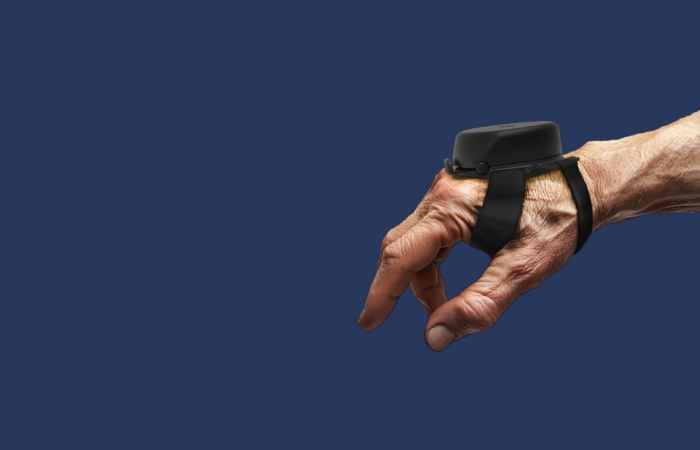
- Stabilizing Wearables: Gloves, wristbands
- Smart Sensors: Motion tracking devices
- AI-Based Feedback Systems: Real-time tremor correction
Price Range
- Entry-level assistive devices: ₹5,000–₹20,000
- Advanced wearables (like Steadi-Two): ₹1.5–₹3 lakh (international pricing ~$2,000–$4,000)
Key Evaluation Metrics
- Tremor amplitude reduction (%)
- Battery life
- Comfort and usability
- Adaptability to different tasks
Psychological and Cognitive Impact of Tremors
Tremors are not purely motor disorders; they significantly affect mental health:
- Anxiety and Social Withdrawal
- Depression due to functional limitations
- Reduced self-esteem
Management Approaches
- Cognitive Behavioral Therapy (CBT)
- Support groups
- Mindfulness-based stress reduction
Addressing psychological health improves overall treatment outcomes.
Nutrition and Diet in Tremor Management
Though not a primary treatment, diet influences symptom severity:
Beneficial Nutrients

- Magnesium: Supports nerve function
- Omega-3 fatty acids: Neuroprotective
- Vitamin B Complex: Supports brain health
Foods to Limit
- Caffeine
- Alcohol (temporary relief but long-term worsening)
- Highly processed foods
Pediatric and Early-Onset Tremor Considerations
While ET is more common in adults, early-onset cases require special attention:
- Strong genetic component
- Impacts academic and motor development
- Requires multidisciplinary care (neurologists, therapists, educators)
Long-Term Disease Progression and Prognosis
Essential tremor is typically progressive:
- Gradual increase in amplitude over years
- Spread from hands to head and voice
- Functional impairment increases with age
Prognostic Factors
- Age of onset
- Family history
- Response to initial treatment
Cost of Long-Term Tremor Management
| Treatment Type | Estimated Cost |
| Medications (annual) | ₹2,000 – ₹15,000 |
| Therapy sessions | ₹500 – ₹2,000 per session |
| Wearable devices | ₹5,000 – ₹3,00,000 |
| DBS surgery | ₹8 – ₹15 lakh |
| Follow-up care (DBS) | ₹50,000 – ₹1 lakh/year |
This cost variability highlights the importance of personalized treatment planning.
Emerging Research Areas in Tremor Management
Future developments are focusing on:
- Gene therapy for hereditary tremors
- Closed-loop DBS systems (adaptive stimulation)
- AI-driven tremor prediction models
- Brain-computer interfaces (BCI)
These innovations aim to shift from symptom control to precision medicine.
Telemedicine and Remote Monitoring
Post-pandemic healthcare models have accelerated remote care:
- Video consultations for tremor assessment
- Wearables transmitting real-time data
- Reduced need for hospital visits
This is particularly relevant for rural or underserved populations.
Insurance and Accessibility Challenges
- Many advanced treatments (DBS, FUS) are not fully covered by insurance in India
- Assistive devices often fall under out-of-pocket expenses
- Lack of awareness limits early intervention
Policy-level improvements are needed for broader access.
Integrating Multidisciplinary Care Models
Optimal tremor management requires coordination among:
- Neurologists
- Neurosurgeons
- Physiotherapists
- Psychologists
- Occupational therapists
Integrated care improves both clinical and functional outcomes.
Conclusion
Tremor management is evolving from a symptom-focused approach to a holistic, patient-centered model that integrates pharmacological treatments, advanced surgical interventions, assistive technologies, and psychological care. While clinical trials remain the backbone of innovation, real-world application depends on accessibility, affordability, and individualized treatment strategies. The future lies in combining medical science with technology to deliver precise, adaptive, and scalable solutions for individuals living with tremors.