



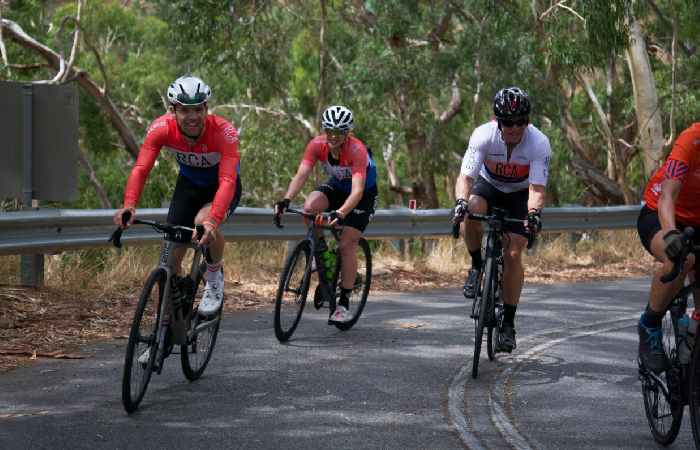
In the cycling world, the topic of weight training vs cycling performance is a never-ending discussion of the two relationships between the two disciplines. Cyclists all over the globe share a common goal of developing an entire skill set that, when combined, will achieve a balance of strength and endurance. Many scientific studies have shown the relationship between weight training and cycling performance.
Finding a balance between these two components (strength and endurance) has been recognized as one of the most critical keys to achieving peak cycling speed and power from your bicycle. Therefore, the role of weight training will continue to be debated.
Table of Contents
Core Concepts of Balancing Weight Training and Cycling
The Science Behind Strength and Speed
The traditional view of cycling has been that it is an endurance sport. However, more recently, there are now many studies that support the integration of weight training into your cycling routine. Some examples include:
One of the largest benefits of integrating weight training into your cycling is that it will greatly increase your strength. Increasing your strength will allow you to generate more power during your sprint and hill climbing. You may have heard that many people believe that weight training makes a cyclist bulk up, but this is not the case when you use a properly designed program of weights and focus on developing lean muscle and functional strength. With this approach, your cycling speed will be improved and will actually work together with the speed you generate on your bicycle.
Finding the Right Balance
Weight training offers a lot of benefits, but to create the best possible training program, a careful balance between strength and cycling-specific workouts needs to be maintained. All cyclists should use a periodization method, a structured way to divide their training into separate phases of time over the course of the year. This method alternates between periods of heavy weight lifting and cycling-specific training exercises, which enables cyclists to emphasize different areas of fitness more strategically, achieve greater cycling performance, and also become stronger as a whole.
The three phases generally involved in the periodization model are: the preparatory (off-season) phase; the competitive phase; and the transition (rest / recovery) phase. In the off-season, cyclists need to devote a large amount of time to gaining strength through weight training.
The Role of Sport-Specific Exercises
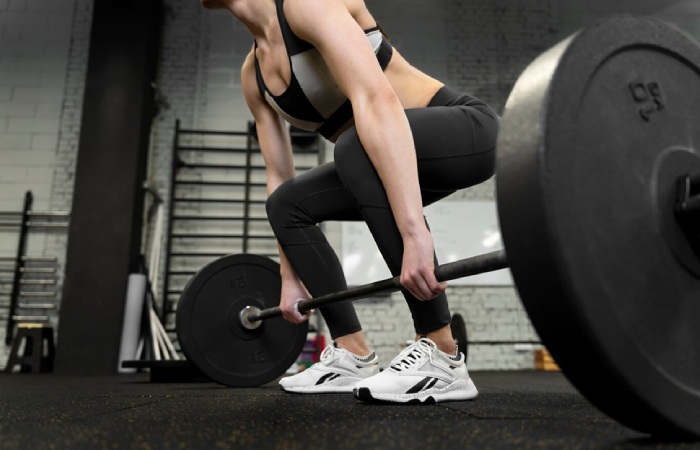
Cyclists looking to improve their cycling performance should concentrate on sports specific exercises. These are not all the same type of weight training. Compound movement exercises, like squats and dead lifts (as examples), activate many different muscle groups together and closely mimic the motor patterns that occur during pedaling a bicycle. Therefore, these compound exercises are an extremely valuable form of resistance training because they help develop muscle coordination and motor patterns required to generate more force while pedaling.
Core strength is an important factor that directly relates to the connection between weight resistance training and cycling and enhances overall bicycle stability, helps maintain balance while riding a bicycle, and allows for a more aerodynamic bicycle position. Consequently, ensuring that all resistance training includes exercises that develop the core will ultimately translate into enhanced cycling performance by improving the cycling power to weight ratio.
Periodization and Cycling Goals
Periodization is an essential component of successful training for a cyclist since it allows the cyclist to modify their training focus according to their individual training goals throughout the different phases of cyclical training. The foundation of strength via resistance training is primarily formed during the preparatory phase. Building muscle strength and endurance (though utilizing a variety of exercises that target all major body parts) must include progressively increasing the resistance used with each exercise to facilitate muscle adaptations to all forms and types of exercise.
As the competitive season approaches, the training focus shifts towards cycling-specific workouts. This phase involves higher-intensity interval training, simulated race scenarios, and hill climbs to fine-tune endurance and power. The integration of weight training during this period may involve a reduction in volume but an increase in intensity to maintain strength gains while accommodating the demands of cycling-specific training.
The Pitfalls of Improper Integration
Although incorporating resistance training into a cyclist’s training plan has many benefits, improper integration could lead to fatigue, overtraining, and a decrease in performance. Overtraining, as a result of either an excessive amount of cycling or an excessive amount of resistance training, is the primary cause of these issues. When you push your body beyond its ability for adequate recovery, you significantly increase your chances of sustaining an injury.
Fatigue resulting from improper integration will have many different effects, including a decrease in performance, an increase in perceived effort, and a greater risk of injury. Therefore, it is extremely important for trainers to recognize the signs of fatigue and adjust their training accordingly. Rest and recovery are vital parts of any training program, and by ignoring these two factors, you will not only progress at a slower rate over time, but you also run the risk of burning out entirely.
Additional Research to Complement “Balancing Weight Training and Cycling”
-
Physiological Adaptations: How Strength Training Enhances Cycling Output
There are many measurable physiological changes that occur in your body as a result of resistance training, all of which improve cycling performance.
1. Neuromuscular Efficiency: Resistance training will enable you to recruit more motor units, which will enable you to generate more force per pedal stroke.
2. Rate of Force Development (RFD): This is important for sprinting and accelerating quickly.
3. Muscle Fiber Recruitment: Resistance training will enhance your ability to recruit Type II muscle fibers, which are important for generating short bursts of power (like during a hill attack).
4. Tendon Stiffness: An increase in tendon stiffness will improve your ability to transfer energy during the pedal stroke, which will subsequently lead to greater pedaling economy.
Research in exercise physiology indicates that cyclists who integrate structured resistance training can improve peak power output by 5–15% over a season.
-
Weekly Training Split Models (Cycling + Weight Training)
Below is a practical hybrid training structure:
| Day | Training Focus | Notes |
| Monday | Lower Body Strength (Gym) | Squats, deadlifts, lunges |
| Tuesday | Endurance Ride (Zone 2) | 60–90 minutes |
| Wednesday | Upper Body + Core Strength | Planks, rows, presses |
| Thursday | Interval Cycling (HIIT) | VO2 max intervals |
| Friday | Active Recovery / Mobility | Stretching, foam rolling |
| Saturday | Long Ride (Endurance) | 2–4 hours |
| Sunday | Rest or Light Core Work | Full recovery |
This split prevents overlapping fatigue between heavy leg days and intense cycling sessions.
-
Gym Equipment & Cost Breakdown (India-Specific)
For cyclists considering strength training, cost varies based on access:
Home Gym Setup (Basic to Intermediate)
| Equipment | Approx Price (INR) |
| Adjustable Dumbbells | ₹3,000 – ₹10,000 |
| Barbell + Plates Set | ₹8,000 – ₹25,000 |
| Squat Rack | ₹10,000 – ₹30,000 |
| Resistance Bands | ₹500 – ₹2,000 |
| Bench (Adjustable) | ₹5,000 – ₹15,000 |
Total Setup Cost: ₹15,000 – ₹70,000 depending on quality.
Gym Membership Costs (India)
| Type of Gym | Monthly Cost (INR) |
| Local Gym | ₹800 – ₹2,000 |
| Mid-Range Fitness Center | ₹2,000 – ₹5,000 |
| Premium Chains | ₹5,000 – ₹12,000 |
-
Cycling Gear Cost (Performance-Oriented Riders)
| Item | Approx Price (INR) |
| Entry-Level Road Bike | ₹25,000 – ₹60,000 |
| Mid-Range Road Bike | ₹60,000 – ₹1.5L |
| High-End Performance Bike | ₹2L – ₹10L+ |
| Cycling Shoes | ₹3,000 – ₹15,000 |
| Helmet | ₹2,000 – ₹10,000 |
| Power Meter (Optional) | ₹30,000 – ₹1L |
Investment level significantly impacts how effectively strength gains translate to performance tracking.
-
Nutrition Strategy for Dual Training
Balancing cycling and weight training increases nutritional demands:
Macronutrient Distribution
- Protein: 1.6–2.2 g/kg body weight (supports muscle recovery)
- Carbohydrates: 4–7 g/kg (fuel for endurance rides)
- Fats: 20–30% of total caloric intake
Sample Daily Meal Structure
| Meal | Example |
| Breakfast | Oats + banana + peanut butter |
| Pre-Ride | Toast + honey |
| Post-Ride | Whey protein + fruit |
| Lunch | Rice + chicken + vegetables |
| Snack | Nuts + yogurt |
| Dinner | Roti + dal + paneer |
For cyclists combining endurance work with resistance training, understanding the principles of fat loss and muscle building can also help when setting nutrition and body-composition goals.
Supplement Costs (India)
| Supplement | Monthly Cost (INR) |
| Whey Protein | ₹2,000 – ₹5,000 |
| Creatine | ₹800 – ₹2,000 |
| Electrolytes | ₹300 – ₹1,000 |
-
Recovery Protocols and Injury Prevention
Cyclists integrating strength training must emphasize recovery:
- Sleep: 7–9 hours (critical for hormonal recovery)
- Foam Rolling: Reduces muscle stiffness
- Cold Therapy: Helps inflammation control
- Deload Weeks: Every 4–6 weeks reduce intensity by ~40%
Common Injuries from Poor Integration
- Knee pain (patellofemoral stress)
- Lower back strain (improper deadlift form)
- IT band syndrome (overuse + weak glutes)
-
Strength Training Exercise Hierarchy for Cyclists
Priority Exercises
| Category | Exercises |
| Compound | Squats, Deadlifts, Lunges |
| Explosive | Box Jumps, Kettlebell Swings |
| Core | Planks, Russian Twists |
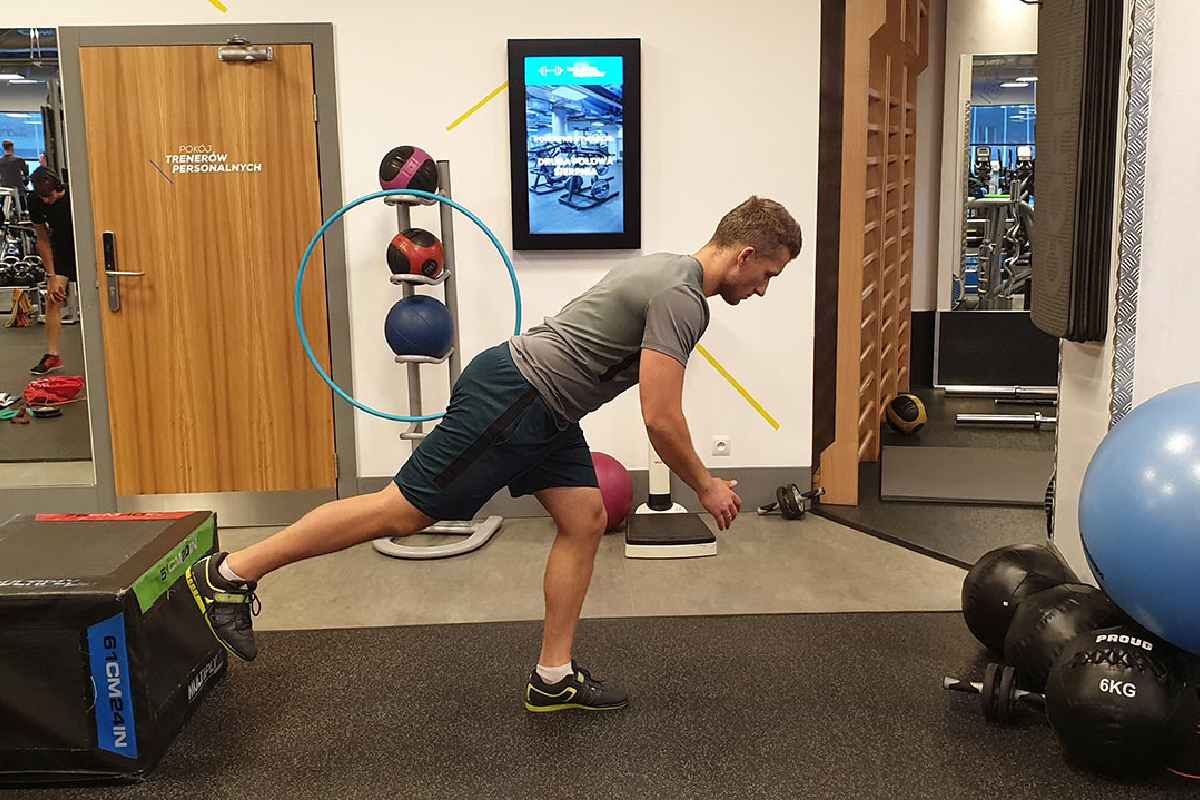
| Stability | Single-leg squats |
Key Insight: Single-leg work closely mimics pedaling mechanics and should not be neglected.
-
Seasonal Training Calendar (Annual Plan)
| Phase | Duration | Focus |
| Off-Season | 8–12 weeks | Strength building, hypertrophy |
| Pre-Season | 6–8 weeks | Strength + cycling integration |
| In-Season | 4–6 months | Performance, maintenance strength |
| Transition Phase | 2–4 weeks | Recovery, low intensity |
-
Performance Metrics to Track
Cyclists balancing both disciplines should monitor:
- FTP (Functional Threshold Power)
- Watts/kg ratio
- VO2 Max
- 1RM (Squat/Deadlift strength)
Tracking both gym and cycling metrics ensures balanced progression.
-
Psychological and Cognitive Benefits
- Increased training variety reduces burnout
- Strength training improves discipline and structure
- Better body awareness enhances cycling technique
Final Thoughts
The delicate interplay between weight training and cycling holds the key to unlocking new levels of speed, power, and overall success on the road. By embracing a well-structured training program that harmonizes both elements, cyclists can build strength, improve endurance, and elevate their performance. As the cycling community continues to explore the synergies between strength training and cycling, riders are poised to redefine their limits and reach unprecedented heights in their cycling journey.
Saba Mirza is a Health, Wellness & Lifestyle Writer at Being Healthy Life with 3+ years of writing experience. She creates clear, informative, and reader-focused content covering health, wellness, nutrition, fitness, natural health, and lifestyle topics.
View Profile →
Sameena Begum is a health, technology, and digital content reviewer who reviews selected articles to help ensure that information is presented clearly, accurately, and responsibly.
View Profile →
Dr. Syed Imtiaz is a qualified medical professional with MBBS and MD qualifications and 5+ years of experience. As a Medical Reviewer at Being Healthy Life, he reviews selected health and wellness content for medical accuracy, clarity, appropriate context, and responsible presentation.
View Profile →