



Hirnhautentzündung Symptome
If you’ve ever heard of Hirnhautentzündung (also known as Meningitis), you know it’s no joke. This condition, which affects the protective membranes around the brain and spinal cord, can hit hard and fast. Knowing the symptoms early can make all the difference in getting proper treatment.
Table of Contents
What Is Hirnhautentzündung?
Hirnhautentzündung, or meningitis, is an inflammation of the meninges, which are the protective layers covering the brain and spinal cord. It can be caused by bacteria, viruses, fungi, or other factors. The bacterial form is the most severe and needs immediate medical attention
Early Symptoms: Don’t Ignore These Signs
Meningitis symptoms can develop quickly, sometimes within hours. Here’s what to look out for:
1. Severe Headache
- This isn’t your usual headache. It’s intense and persistent.
2. Stiff Neck
- A hallmark symptom. If tilting your chin to your chest is painful or impossible, it could be serious.
3. High Fever & Chills
- A sudden spike in temperature with uncontrollable chills is a red flag.
4. Nausea & Vomiting
- Often mistaken for a stomach bug, but in combination with other symptoms, it’s a warning sign.
5. Sensitivity to Light (Photophobia)
- Bright lights may feel unbearable.
6. Confusion or Difficulty Concentrating
- If someone seems unusually dazed or unresponsive, take it seriously.
7. Seizures
- More common in severe cases, particularly bacterial meningitis.
8. Cold Hands and Feet, Rapid Breathing
- Rapid breathing, cold hands and feet signs indicate circulation problems, which can be life-threatening.
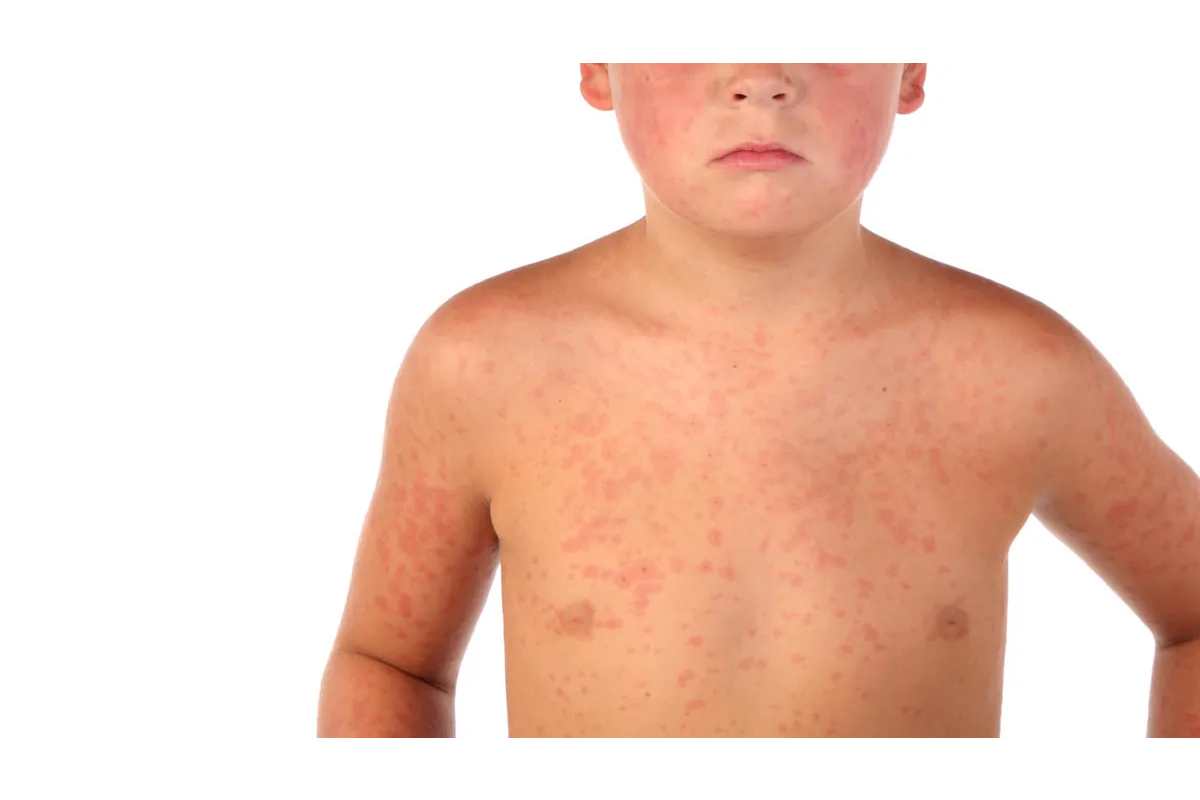
9. Skin Rash (in Some Cases)
- Especially with meningococcal meningitis, a purplish rash may appear
Some symptoms such as headache, breathing changes, or confusion can have different causes. Readers interested in understanding how excessive caffeine may affect breathing can also read about whether too much caffeine can make it hard to breathe.
How Meningitis Spreads
Meningitis can be contagious, especially the viral and bacterial forms. Here’s how it spreads:
- Coughing or Sneezing – Respiratory droplets carry the infection.
- Close Contact – Kissing, sharing utensils, or living in close quarters (like dorms or military barracks).
- Weak Immune System – People with weak immunity are at higher risk.
When to Seek Medical Help
Don’t wait. If you or someone else has these symptoms, get medical attention immediately. Bacterial meningitis can worsen within hours and cause brain damage or even be fatal
Diagnosis & Treatment
Doctors diagnose meningitis through:
- Physical Examination – Checking neck stiffness, reflexes, and fever.
- Lumbar Puncture (Spinal Tap) – To analyze cerebrospinal fluid.
- Blood Tests & Imaging – To confirm the cause.
Treatment depends on the cause:
- Bacterial Meningitis – Requires immediate IV antibiotics and sometimes corticosteroids.
- Viral Meningitis – Usually milder and treated with rest, fluids, and pain relievers.
- Fungal & Other Types – Antifungal or other targeted medications may be needed.
If you have questions about which healthcare professional to consult for symptoms that overlap with other conditions, you can also ask your dentist for guidance on dental-related concerns.
People experiencing neurological symptoms may also need evaluation for other conditions affecting the nervous system. For example, understanding multiple sclerosis care can provide additional context about how neurological conditions are evaluated and managed.
For readers exploring general healthcare resources beyond meningitis, the CVS Health Survey guide explains how the customer feedback survey works and what participants need to know before taking it.
Preventing Meningitis: Stay Ahead of the Risk
Here’s how you can lower your chances of getting meningitis:
1. Get Vaccinated
- Vaccines exist for bacterial types like meningococcal, pneumococcal, and Hib meningitis.
2. Maintain Good Hygiene
- Wash hands frequently and avoid sharing personal items.
3. Strengthen Your Immune System
- Eat well, exercise, and manage stress to keep immunity strong.
Maintaining overall health also involves understanding common chronic conditions and their risk factors. Readers looking for general health information can learn more about type 2 diabetes and its health considerations.
4. Be Cautious in High-Risk Areas
- If traveling or living in close quarters, take extra precautions.
For people dealing with other neurological symptoms such as involuntary shaking, information about essential tremor management may also be useful when exploring different neurological conditions and their treatment approaches.
Final Thoughts
Hirnhautentzündung Symptome can escalate fast. Knowing what to look for and acting quickly can save lives. If you or a loved one experience any of these symptoms, don’t hesitate—seek medical help immediately.
Saba Mirza is a Health, Wellness & Lifestyle Writer at Being Healthy Life with 3+ years of writing experience. She creates clear, informative, and reader-focused content covering health, wellness, nutrition, fitness, natural health, and lifestyle topics.
View Profile →
Sameena Begum is a health, technology, and digital content reviewer who reviews selected articles to help ensure that information is presented clearly, accurately, and responsibly.
View Profile →
Dr. Syed Imtiaz is a qualified medical professional with MBBS and MD qualifications and 5+ years of experience. As a Medical Reviewer at Being Healthy Life, he reviews selected health and wellness content for medical accuracy, clarity, appropriate context, and responsible presentation.
View Profile →