
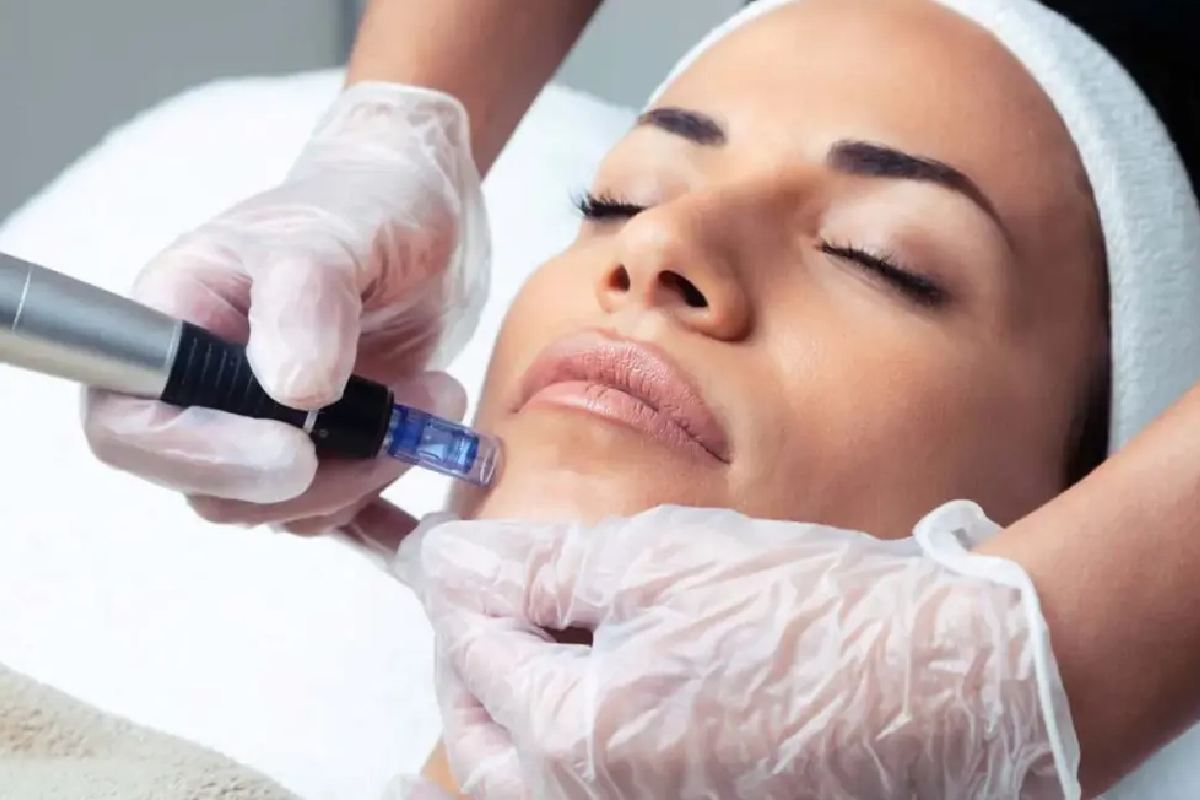
The hyaluronic acid serum is a micro needling (Dermapen) and mesotherapy (Dermaroller) disinfected serum applied in professional use in electroporation electrophoresis and in iontophoresis. The active ingredient of Hyaluronic acid Serum is the 3.5 percent of hyaluronic acid.
Table of Contents
What is Hyaluronic Acid?
Hyaluronic acid (HA) is a glycosaminoglycan that is naturally found in the human body, found in the skin, connective tissues, and in the eyes. It acts as a humectant, that is, it draws and keeps water. Hyaluronic acid is one of the most important components of skin as it is capable of retaining one thousand times its weight of hydrating and elastic skin.
From a biochemical standpoint, HA is composed of repeating disaccharide units of glucuronic acid and N-acetylglucosamine. It has a wide range of molecular weight, and this directly affects its penetration and efficacy in the skin care formulations.
Types of Hyaluronic Acid Based on Molecular Weight
Understanding molecular size is essential for both clinical and cosmetic applications:
High Molecular Weight HA (HMW-HA)
- Sits on the skin surface
- Provides immediate hydration and barrier protection
- Reduces transepidermal water loss (TEWL)
Low Molecular Weight HA (LMW-HA)
- Penetrates deeper into the epidermis
- Enhances skin repair and elasticity
- May stimulate collagen production
Ultra-Low Molecular Weight HA
- Deeper dermal penetration
- Used in advanced anti-aging and regenerative treatments
Benefits of Hyaluronic Acid for Skin
| Benefit | How It Works | Result on Skin |
| Deep Hydration | Attracts and holds water in skin | Keeps skin moisturized and plump |
| Skin Plumping | Retains moisture in skin cells | Reduces fine lines and wrinkles |
| Improves Elasticity | Supports skin structure | Firmer, smoother skin |
| Enhances Glow | Hydrated skin reflects light better | Healthy, radiant appearance |
| Reduces Dryness | Prevents moisture loss | Soft and smooth skin |
| Soothes Skin | Calms irritation and redness | Suitable for sensitive skin |
| Supports Healing | Helps repair skin barrier | Faster recovery from damage |
| Non-Greasy Hydration | Lightweight and fast-absorbing | Ideal for all skin types |
| Anti-Aging Effect | Minimizes wrinkles over time | Youthful-looking skin |
- Intense Hydration
HA has an affinity to water, which guarantees permanent hydration even in the dry conditions.
- Anti-Aging Properties
- Reduces appearance of fine lines and wrinkles
- Improves skin firmness and elasticity
- Wound Healing Support
HA contributes to tissue regeneration and decreases swelling, so it is applicable in the post-procedure period like microneedling.
- Barrier Function Enhancement
It enhances the natural skin barrier that does not allow losing moisture and is a barrier against pollutants.
- Oil Regulation
Despite popular opinion, HA will be useful to regulate sebum production, so it suits an oily and acneic skin.
Hyaluronic Acid in Advanced Skin Treatments
| Treatment | How It’s Used | Why It’s Added | Benefits |
| Microneedling | Applied on skin during/after tiny needle punctures | Penetrates deeper into skin layers | Deep hydration, faster healing |
| Dermapen | Used with HA serum while device creates micro-channels | Enhances absorption of active ingredients | Improves texture, glow, and elasticity |
| Professional Facials | Mixed with serums or masks | Boosts moisture levels instantly | Plump, hydrated skin |
| Chemical Peels (Post-care) | Applied after peeling treatment | Soothes and repairs skin barrier | Reduces irritation and dryness |
| Laser Treatments | Used after laser procedures | Calms inflammation and hydrates | Speeds recovery |
| Skin Boosters (Injectables) | Injected into deeper skin layers | Direct hydration from within | Long-lasting plumpness and glow |
Medical and Clinical Uses of Hyaluronic Acid
Beyond skincare, HA has several clinical applications:
- Dermal Fillers: Used in aesthetic medicine for facial contouring and wrinkle reduction
- Ophthalmology: Found in artificial tears for dry eye treatment
- Orthopedics: Injected into joints for osteoarthritis relief
- Wound Care: Accelerates healing in burns and ulcers
How Hyaluronic Acid Works in Microneedling
When performing such procedures as Dermapen or Dermaroller:
- Microchannels are created in the skin
- HA penetrates deeper layers more effectively
- It enhances hydration and accelerates healing
- Improves collagen and elastin synthesis
This renders HA an ideal serum base to use in microneedling as it does not irritate and is a hydrating agent.
Top Hyaluronic Acid Serums (Global Picks)
| Product | Brand | Global Price (USD) | India Price (Approx ₹) | Best For |
| The Ordinary Hyaluronic Acid 2% + B5 | The Ordinary | $7 – $12 | ₹900 – ₹1,000 | Budget + all skin types |
| Neutrogena Hydro Boost Hyaluronic Acid Serum | Neutrogena | $15 – $25 | ₹1,100 – ₹1,200 | Dry & sensitive skin |
| SkinCeuticals Hydrating B5 Gel | SkinCeuticals | $80 – $100 | ₹7,000+ | Premium skincare |
| CeraVe Hydrating Hyaluronic Acid Serum | CeraVe | $20 – $30 | ₹1,500 – ₹2,000 | Barrier repair + hydration |
| L’Oréal Paris Revitalift 1.5% Hyaluronic Acid Serum | L’Oréal | $20 – $30 | ₹400 – ₹800 | Affordable anti-aging |
| The Ordinary Marine Hyaluronics | The Ordinary | $10 – $15 | ₹800 – ₹1,000 | Lightweight hydration |
| Minimalist 2% Hyaluronic Acid Serum | Minimalist | $7 – $10 | ₹500 – ₹700 | Budget (India-friendly) |
Ideal Concentration Levels in Skincare
- 0.1%–1%: Basic hydration
- 1%–2%: Enhanced moisturizing and plumping
- 2%–3.5%: Professional-grade formulations (used in clinical settings)
Higher concentrations (like 3.5%) are typically used in aesthetic procedures rather than daily skincare.
Side Effects and Safety Considerations
Hyaluronic acid is generally safe, but some considerations include:
- Rare allergic reactions (especially in injected forms)
- Temporary redness or irritation after procedures
- Overuse may cause dryness in extremely low humidity environments
For microneedling:
- Always use sterile, medical-grade HA
- Avoid combining with strong actives immediately after treatment (Cleveland Clinic)
Hyaluronic Acid vs Other Hydrating Ingredients
| Ingredient | Function | Comparison to HA |
| Glycerin | Humectant | Less powerful but more stable |
| Ceramides | Barrier repair | Complements HA |
| Aloe Vera | Soothing | Less hydrating than HA |
| Urea | Hydrating + exfoliating | Stronger but can irritate |
How to Use Hyaluronic Acid in Skincare Routine
Morning Routine
- Cleanser
- HA serum (on damp skin)
- Moisturizer
- Sunscreen
Night Routine
- Cleanser
- HA serum
- Treatment (retinol, peptides)
- Moisturizer
Important: Always apply HA on slightly damp skin to maximize hydration.
Hyaluronic Acid for Different Skin Types
- Dry Skin: Deep hydration and barrier repair
- Oily Skin: Lightweight hydration without clogging pores
- Sensitive Skin: Soothing and non-irritating
- Aging Skin: Reduces wrinkles and improves elasticity
Market Overview and Pricing (India & Global)
Prices vary based on formulation, brand, and concentration:
Budget Range (₹300–₹800)
- Basic HA serums (1%–2%)
- Suitable for daily use
Mid-Range (₹800–₹2500)
- Multi-molecular HA formulas
- Added ingredients like Vitamin B5 or peptides
Premium Range (₹2500–₹8000+)
- Clinical-grade formulations
- Often used in dermatology clinics
Professional Use Products
- Ampoules and sterile serums: ₹2000–₹10,000+
- Dermapen-compatible serums: ₹3000–₹15,000 depending on brand
Latest Trends in Hyaluronic Acid Skincare
- Multi-weight HA formulations (target multiple skin layers)
- Encapsulated HA delivery systems
- Combination serums (HA + niacinamide, peptides, ceramides)
- Injectable skin boosters gaining popularity (DermNet NZ)
Scientific Insights and Research Developments
Recent studies highlight:
- HA fragments can stimulate fibroblast activity
- Cross-linked HA lasts longer in dermal applications
- HA combined with growth factors enhances skin regeneration
Storage and Stability
- Store in a cool, dry place
- Avoid direct sunlight exposure
- Ensure airtight packaging to prevent oxidation
Contraindications and When to Avoid
- Active skin infections
- Severe acne flare-ups (for procedures)
- Immediately after chemical peels or laser treatments (unless advised)
FAQs
Difference between cross-linked and non-cross-linked
There are two types of hyaluronic ac, and their molecular composition distinguishes them. … Also, the cross-linked acid offers considerably more volume by forming a stable union between these molecules. At the same time, the non-cross-linked effects will be more subtle and more advantageous to sustaining a daily routine.
What serum is used with Dermapen?
Vitamin C Cocktail serum is a sterile serum for professional use in micron micro-needling) and mesotherapy (Dermaroller), electroporation, and ion, ion, and iontophoresis treatments. The serum contains, in particular, the active substances vitamin C, niacinamide, fat-soluble vitamin type A, fat-soluble vitamin type E, panthenol, and vitamin B8.
What helps to operate with Dermapen?
The hyaluronic acid serum is a disinfected serum for professional use micro needlingling (Dermapen) and mesotherapy (Dermaroller) treatment in electroporation, electrophoresis, and iontophoresis. Hyaluronic Acid Serum contains the active ingredient of 3.5 percent.
What products to use after Dermapen?
Dermapen has no contraindications, solely after treatment should a progression of care be taken, for example, utilizing explicit cosmetics and cream with a high sun insurance factor. Apart from moisturizing the skin, it can feel slightly dry in the first few days.
Conclusion
Hyaluronic acid has continued to be among the most flexible and scientifically supported ingredients of both the cosmetic skincare and clinical dermatology. Its outstanding capacity to maintain the moisture content, uphold the skin barrier activity, and improve the healing process in tissues makes it essential both in everyday practice and in such high-tech operations as microneedling and mesotherapy. Hyaluronic acid suits various needs and conditions of skin whether in small doses as a normal hydration or in higher, sterile doses as professional therapies.