
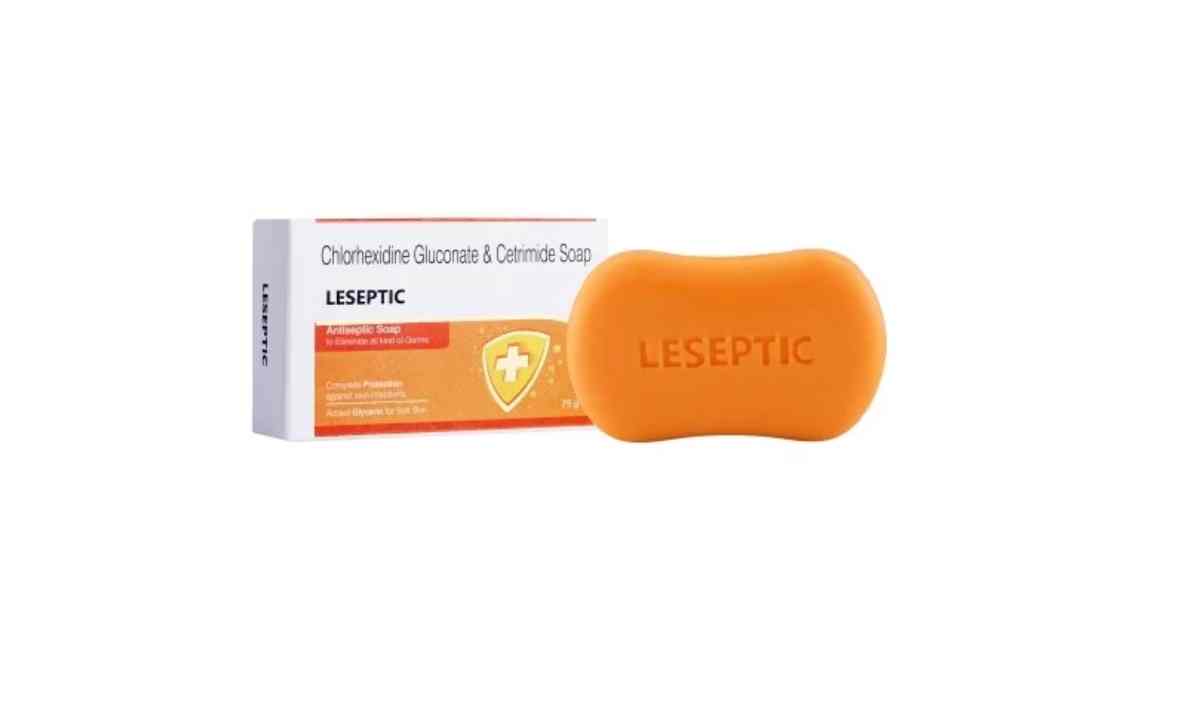



Chlorhexidine Soap Desinclor Saponaceous Chlorhexidine 0.8 percent 500 ml Ideal product for skin disinfection. Complies with hospital disinfectant and fungicide rules UNE-EN 1276 and UNE EN 1650 INDICATIONS Aseptic for healthy skin. Staff handwashing, in each and every one of the cases that require hand disinfection.
Chlorhexidine soap is used for skin cleansing and antisepsis, but it should not be considered a treatment for every skin condition. If you are dealing with persistent itching or a suspected contagious skin condition, it is important to recognize the signs, such as those described in this guide to the symptoms of scabies.
Table of Contents
What Kinds Of Chlorhexidine Are There?
– Alcoholic chlorhexidine.
– Diluted chlorhexidine.
– Saponaceous chlorhexidine.
What is Chlorhexidine for?
Chlorhexidine (CHX) is an aseptic mouthrinse that is considered the gold standard antimicrobial treatment in the chemical prevention of plaque formation and pyorrhea [1]. It not only inhibits the multiplication of plaque bacteria and diastases, but also eliminates them. For broader skin-care considerations, including choosing appropriate sun protection, see this guide on how to choose the best SPF 50.
What is 4 percent chlorhexidine?
Hygiene, antisepsis and skin care. BactiScrub is an aseptic 4% saponaceous chlorhexidine gel for hygiene and antisepsis. The gel format ensures greater dermal absorption of chlorhexidine and the emollients present in it provide moisture to your skin. For additional information about products focused on skin hydration, see Hyaluge. Because some cleansing and antiseptic products can be drying, maintaining adequate skin hydration can also be an important part of a skin-care routine. For another approach to skin hydration, see this guide to moisturizing ampoules.
Describe chlorhexidine
The medicine used to prevent the growth of microorganisms on the skin is chlorhexidine.
Skin care involves more than cleansing and antisepsis. A balanced approach can also include nutrition and healthy dietary choices, especially when considering overall skin health. Learn more about diet for excellent skin care and how dietary choices can complement a regular skin-care routine.
How many kinds of chlorhexidine are there?
– Alcoholic chlorhexidine.
– Diluted chlorhexidine.
– Saponaceous chlorhexidine.
How to use chlorhexidine soap?
It is used in skin antisepsis in a 4 percent aqueous solution with a cleansing base for pre-surgical anatomical washing of the patient and surgical hand washing. Due to its affinity with the skin, it has a remnant action that lasts for several hours. On wounds, it is used at a concentration of 0.1 percent or 0.5 percent in diluted solution. For information on another skin-focused treatment involving hyaluronic acid, see hyaluronic acid with Dermapen.
For detailed guidance on using chlorhexidine skin treatments and washes, see the NHS guidance on how to use chlorhexidine.
Chlorhexidine Soap
There are several uses for Chlorhexidine soap, such as
- It helps to clean the wounds and reduces the risk of infections.
- Healthcare Professionals use them.
- It is a sterile soap usually used before a person undergoes surgery.
How is chlorhexidine saponaceous used?
Saponaceous chlorhexidine (2 or 4 percent). We recommend moistening your hands and forearms, applying 5ml of this solution, washing for a minute and then rinsing and drying.
Saba Mirza is a Health, Wellness & Lifestyle Writer at Being Healthy Life with 3+ years of writing experience. She creates clear, informative, and reader-focused content covering health, wellness, nutrition, fitness, natural health, and lifestyle topics.
View Profile →
Sameena Begum is a health, technology, and digital content reviewer who reviews selected articles to help ensure that information is presented clearly, accurately, and responsibly.
View Profile →
Dr. Syed Imtiaz is a qualified medical professional with MBBS and MD qualifications and 5+ years of experience. As a Medical Reviewer at Being Healthy Life, he reviews selected health and wellness content for medical accuracy, clarity, appropriate context, and responsible presentation.
View Profile →