



The lower back pain is considered to be one of the most prevalent musculoskeletal issues on the planet. In the world, the estimates according to the global health show that more than 60 to 80 percent of adults at one time in their lives experience lower back pains. Lumbar spine injuries are becoming common due to sedentary lives, sitting in awkward positions, poor back posture and bulky lifting.
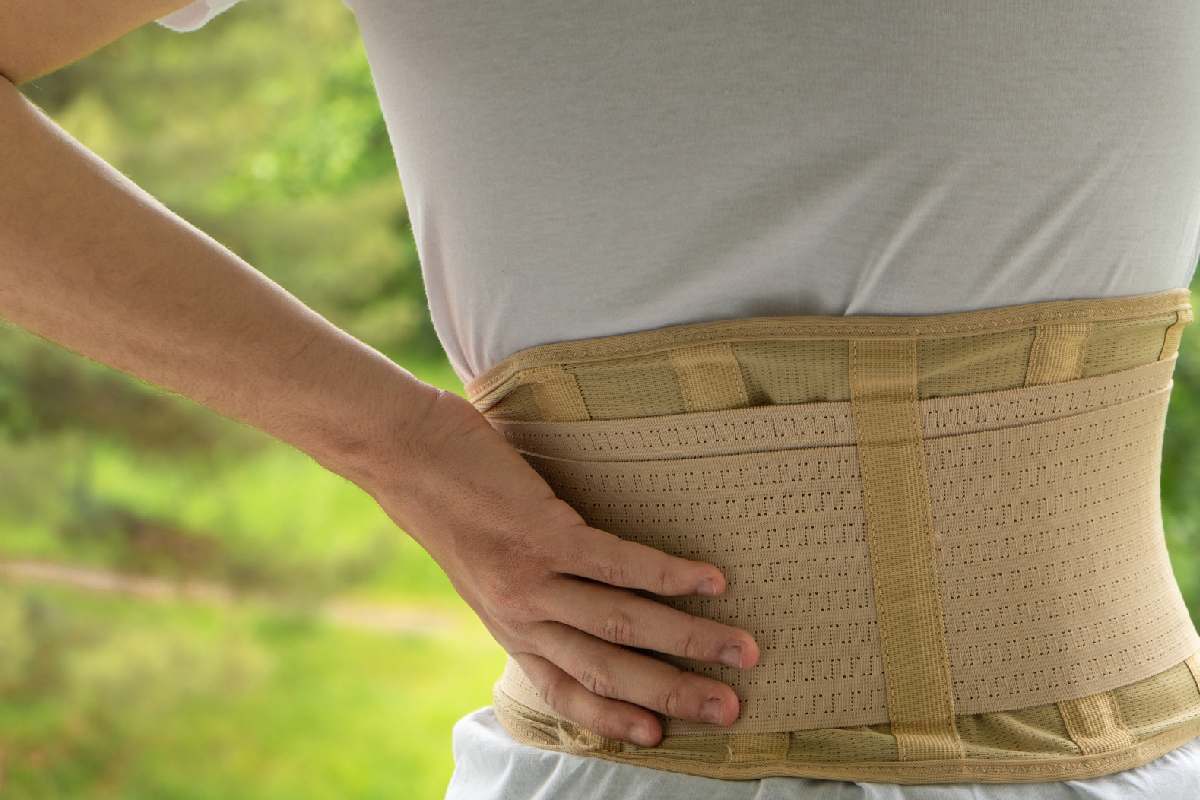
A lumbar support belt (also known as lumbar support belt, lumbosacral belt) is a type of orthopedic support that is introduced to stabilize the lower back and decrease muscular and ligament damage. It functions by compressing and supporting the lumbar area, and therefore restricting harmful movement and getting posture better.
Lumbar belts are often prescribed by medical workers to patients with:
Chronic lower back pain
- Sciatica
- Lumbar spondylosis
- Herniated discs
- Post-operative recovery
- Muscle strain due to heavy lifting
Such belts are beneficial to keep the correct posture of the spine and to put less stress on the backbone, which enables a patient to proceed with everyday routines with fewer complaints.
Table of Contents
Anatomy of the Lumbar Spine
Knowledge of the lumbar spinal infrastructure can explain the effects of lumbar belt functionality.
The lumbar region consists of:
| Structure | Description |
| Lumbar Vertebrae (L1–L5) | Five large vertebrae that support body weight |
| Intervertebral Discs | Act as cushions between vertebrae |
| Ligaments | Provide stability and connect bones |
| Muscles | Control movement and maintain posture |
| Nerves | Carry signals between brain and lower body |
Damage or strain in these structures can lead to severe back pain and limited mobility. Lumbar belts help stabilize these components during movement.
How Lumbar Belts Work
Lumbar belts function through three main mechanisms:
- Compression
The belt compresses the abdominal and lumbar region, reducing pressure on spinal discs.
- Stabilization
Rigid or semi-rigid stays in the belt restrict excessive motion of the spine.
- Posture Correction
The belt encourages correct posture while sitting, standing, or lifting.
Key Functional Benefits
- Reduces spinal load
- Improves posture
- Supports muscles
- Decreases pain during activity
- Prevents further injury
Major Types of Lumbar Belts
- Elastic Lumbar Support Belt
These belts are made from elastic or breathable fabric and provide mild support.
Best for:
- Mild lower back pain
- Daily office work
- Posture correction
Features
- Lightweight
- Flexible design
- Easy to wear under clothing
- Rigid Lumbar Belt
Rigid belts contain metal or plastic stays to stabilize the spine.
Best for:
- Severe back pain
- Spinal injuries
- Post-surgery support
Features
- Strong support
- Limited spinal movement
- Medical-grade orthopedic design
- Neoprene Lumbar Belt
Neoprene belts provide compression and heat therapy.
Benefits
- Retains body heat
- Improves blood circulation
- Relieves muscle stiffness
Some orthopedic models also use neoprene fabric for therapeutic compression.
- Double-Pull Lumbar Belt
These belts have adjustable double straps for increased compression.
Advantages
- Customized tightness
- Better stabilization
- Ideal for heavy lifting
- Tubular Lumbar Girdle
Tubular girdles are seamless and provide uniform compression.
Recommended for
- Mild back pain
- Postpartum abdominal support
- Postoperative recovery
Conditions Treated with Lumbar Belts
Lumbar belts are often recommended for the following medical conditions:
| Condition | Description |
| Sciatica | Pain radiating from lower back to legs |
| Lumbar Spondylosis | Degenerative spine condition |
| Herniated Disc | Disc protrusion pressing on nerves |
| Muscle Strain | Injury from lifting or sudden movement |
| Osteoporosis | Weak bones causing spinal instability |
| Post-Surgical Recovery | Support after spine surgery |
Various orthopedic belts are actually made to assist patients with disc herniation, lumbar spondylosis or vertebral fractures. For more information about disc-related lower back problems, see this guide to L4-L5 disc bulge treatment.
Benefits of Using a Lumbar Belt
Pain Relief
Lumbar belts relieve tension of muscles and provide support to tissues that are injured.
For people exploring additional topical approaches to pain management, it may also be useful to learn how Venosmil cream is applied or explore Lumbar Spine Cooling Gel Obat Apa as another topical product discussed for lower back discomfort.
Posture Improvement
Promotes healthy posture of the spine.
Injury Prevention
Lessens danger in lifting or sporting or physical activity.
Increased Mobility
Enables patients to have a more comfortable time carrying out their day-to-day activities.
Faster Recovery
Helps in recovery in the process of physiotherapy or rehabilitation.
Who Should Use a Lumbar Belt?
Lumbar belts are recommended for:
- Office workers with prolonged sitting
- Athletes and weightlifters
- Construction workers
- Patients recovering from spine surgery
- Pregnant or postpartum women
- Individuals with chronic back pain
Who Should Avoid Lumbar Belts?
Lumbar belts are effective but in certain situations, one should not use the belts without medical counsel.
Should not be used long in case you have:
- Severe spinal instability
- Skin infections in the belt area
- Certain nerve compression conditions
- Weak abdominal muscles
Exercise not done on a long-term basis could weaken core muscles.
How to Wear a Lumbar Belt Properly
Follow these steps:
- Position the belt around the lower back.
- Align the center of the belt with the spine.
- Tighten the straps evenly.
- Ensure comfortable compression without restricting breathing.
- Wear during activities that strain the back.
When Should You Wear a Lumbar Belt?
Lumbar belts are typically used during:
- Heavy lifting
- Exercise
- Long periods of sitting
- Recovery after injury
- Work requiring physical strain
Doctors generally recommend wearing the belt for limited hours rather than all day. (Cleveland Clinic)
Lumbar Belt Materials
Different materials influence comfort and support.
| Material | Benefits |
| Cotton | Breathable and comfortable |
| Neoprene | Heat therapy and compression |
| Elastic | Flexible and lightweight |
| Polyester blends | Durable and supportive |
Lumbar Belt Price Comparison (India)
Prices vary depending on brand, material, and features.
| Brand / Model | Type | Approx Price |
| Dr Trust Lumbar Support Belt | Elastic support | ₹499 |
| Encare Lumbar Waist Belt | Compression support | ₹685 |
| Careforce Contoured Lumbar Belt | Orthopedic support | ₹599 |
| Vissco Sacro Lumbar Belt | Medical grade belt | ₹750 |
| Tata 1mg Lumbar Sacral Belt | Standard orthopedic belt | ₹525 |
Typical lumbar belts in India range from ₹500 to ₹1,500 depending on features and brand quality.
Lumbar Belt Price Comparison (Country-Wise)
| Country | Average Price Range |
| India | ₹500 – ₹2,000 |
| USA | $20 – $60 |
| UK | £15 – £50 |
| Canada | $25 – $70 |
| Australia | AUD 30 – AUD 80 |
Top Lumbar Belt Brands Worldwide
| Brand | Country | Known For |
| Vissco | India | Orthopedic medical belts |
| Tynor | India | Rehabilitation supports |
| Mueller | USA | Sports injury supports |
| DonJoy | USA | Medical braces |
| LP Support | Taiwan | Sports therapy products |
Lumbar Belt Market Share (Estimated)
Pie chart representation:
- Medical-grade belts — 40%
- Sports lumbar belts — 30%
- Posture correction belts — 20%
- Maternity belts — 10%
Medical belts dominate the market because they are recommended for clinical back conditions.
Lumbar Belt vs Back Brace
| Feature | Lumbar Belt | Back Brace |
| Coverage | Lower back only | Entire back |
| Flexibility | Moderate | Low |
| Usage | Pain relief | Severe spinal injury |
| Comfort | High | Medium |
Exercises to Combine with Lumbar Belt Use
Doctors often recommend exercises along with lumbar belt support. People experiencing sciatica may also find it helpful to learn about techniques for how to unblock the sciatic nerve.
Core Strengthening Exercises
- Plank
- Bird Dog
- Pelvic Tilt
- Bridge Exercise
These exercises strengthen the internal muscle girdle, which stabilizes the spine naturally.
Potential Side Effects of Lumbar Belts
Improper use may cause:
- Muscle weakening
- Skin irritation
- Reduced flexibility
- Dependence on support
Therefore, lumbar belts should be used along with physiotherapy.
Buying Guide: How to Choose the Best Lumbar Belt
Consider these factors before buying:
- Size and Fit
Measure waist circumference.
- Material
Choose breathable fabrics.
- Support Level
Select mild, moderate, or rigid support depending on the condition.
- Adjustability
Velcro straps allow customized compression.
- Brand Reputation
Medical brands offer better durability and support.
Competitor Pages Ranking for “Lumbar Belt”
| Website | Content Type | Strength |
| Amazon | Product listings | High commercial intent |
| Flipkart | Product listings | Competitive pricing |
| 1mg | Medical information + product | Authority |
| Medical brand sites | Product pages | High trust |
Future of Lumbar Belt Technology
New innovations in orthopedic supports include:
- Smart posture sensors
- AI posture correction belts
- Lightweight carbon-fiber braces
- Temperature-controlled compression belts
These developments aim to provide better comfort and more effective spinal stabilization. (National Institute of Neurological Disorders and Stroke)
Conclusion
Lumbar belts are an efficient orthopedic support to people with lower back pain, spinal injury or posture issues. These belts help in the management and recovery of pains and reduction of muscle strain by stabilizing the lumbar spine, and correcting posture.
They must however, be accompanied by exercises that make the core muscles stronger, when they are used. The selection of the appropriate lumbar belt according to your condition, level of comfort and support can greatly enhance the health of the spine and the whole body mobility.
Saba Mirza is a Health, Wellness & Lifestyle Writer at Being Healthy Life with 3+ years of writing experience. She creates clear, informative, and reader-focused content covering health, wellness, nutrition, fitness, natural health, and lifestyle topics.
View Profile →
Sameena Begum is a health, technology, and digital content reviewer who reviews selected articles to help ensure that information is presented clearly, accurately, and responsibly.
View Profile →
Dr. Syed Imtiaz is a qualified medical professional with MBBS and MD qualifications and 5+ years of experience. As a Medical Reviewer at Being Healthy Life, he reviews selected health and wellness content for medical accuracy, clarity, appropriate context, and responsible presentation.
View Profile →