
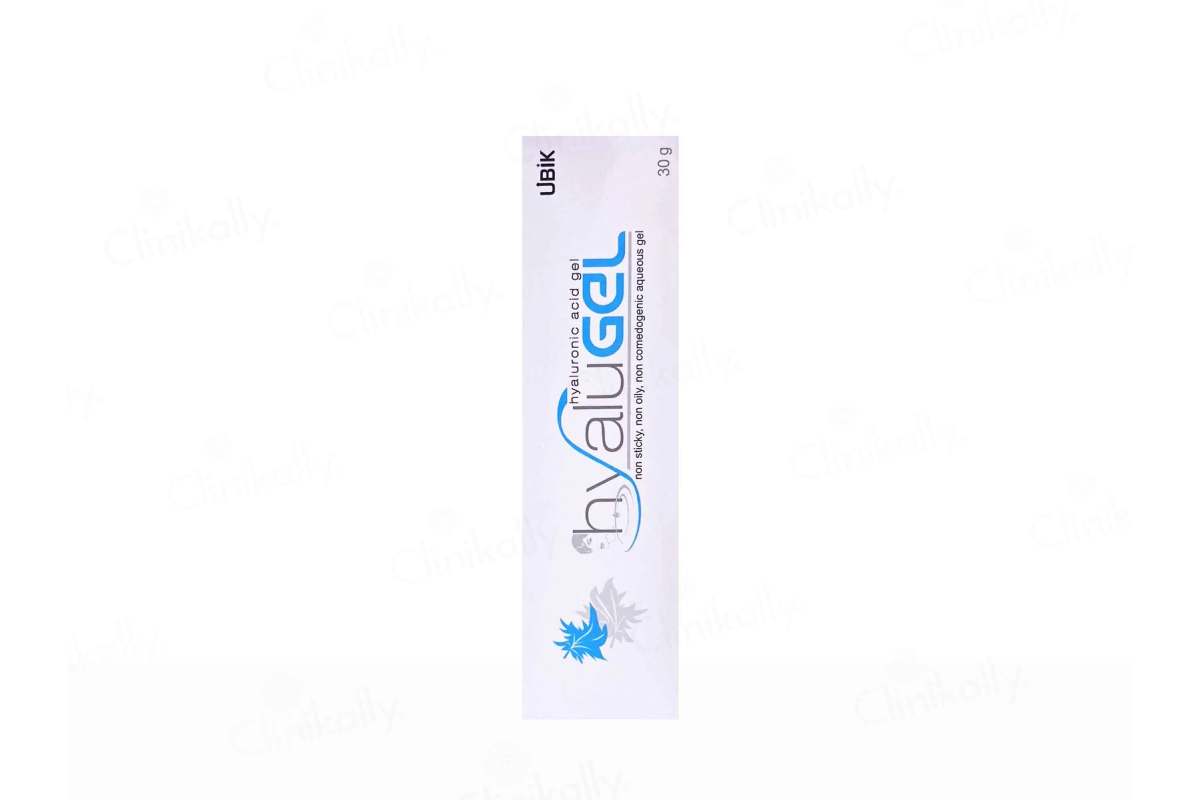
Hyaluge products are additionally gaining ground in the health, skincare, and nutritional supplement sector since they include hyaluronic acid and collagen-associated compounds which are significant in the maintenance of skin moistness, joint lubrication, and connective tissue well-being. Hyaluronic acid is a naturally occurring molecule that is present in the human body, which is capable of retaining a lot of water and it provides structural support to the tissues like the skin, cartilage and the eyes.
During old age, the body ceases to produce hyaluronic acid and collagen. These decreases have the potential of causing wrinkles, dry skin, stiffness of joints and decreased tissue elasticity. This is why hyaluronic acid supplements and topical products, including Hyaluge, are widely applied to replenish hydration and help to look younger.
this article belongs to Skin Remedies
Table of Contents
What Is Hyaluge?
Hyaluge generally refers to products formulated with hyaluronic acid or sodium hyaluronate, substances known for their hydrating and lubricating properties.
Hyaluronic acid is classified as a glycosaminoglycan, a type of carbohydrate molecule found naturally in connective tissues. Its main role is to retain moisture and maintain tissue lubrication.
Many Hyaluge formulations are used for:
- Skin hydration and anti-aging
- Joint lubrication
- Eye lubrication
- Oral tissue healing
- Dietary supplementation
Some topical Hyaluge products are designed to reduce wrinkles by improving hydration and elasticity in the skin.
What Is Hyaluronic Acid?
Hyaluronic acid is a hydrophilic molecule, meaning it can attract and retain water. One gram of hyaluronic acid can bind up to 1,000 times its weight in water, making it one of the most powerful natural moisturizers in the body.
Main Characteristics
| Property | Description |
| Molecular Type | Glycosaminoglycan |
| Natural Location | Skin, joints, eyes, connective tissues |
| Water Retention | Holds up to 1000x its weight in water |
| Main Function | Lubrication and hydration |
| Medical Uses | Skin care, joint treatment, eye lubrication |
Types of Hyaluge Products
Hyaluge can appear in several forms depending on the purpose.
- Topical Gel or Cream
Used for skin hydration and wrinkle reduction.
Benefits
- Moisturizes the skin
- Improves elasticity
- Reduces fine lines
- Supports skin barrier repair
Topical hyaluronic acid gels can hydrate the skin and improve elasticity by maintaining water levels in the skin layers. For more information about combining hyaluronic acid with professional skin treatments, see this guide to hyaluronic acid with Dermapen.
- Dietary Supplements
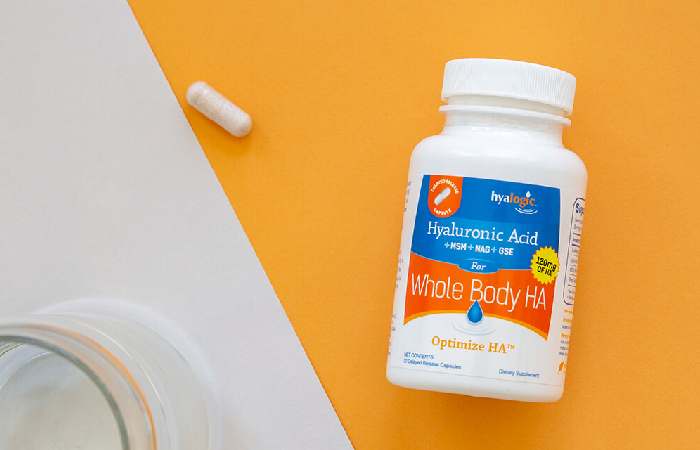
Hyaluronic acid supplements are often combined with collagen, vitamins, and minerals.
Common supplement forms:
- Powder
- Capsules
- Gummies
- Chewable tablets
These supplements help support joint lubrication and skin hydration.
- Eye Drops
Hyaluronic acid is frequently used in ophthalmology to treat dry eye syndrome by lubricating the eye surface.
- Dental and Oral Care
Certain Hyaluge sprays are used after dental procedures to protect oral tissues and promote healing.
Key Ingredients Found in Hyaluge Supplements
Many Hyaluge supplements combine several nutrients that work together for skin and joint health.
| Ingredient | Function |
| Hyaluronic Acid | Hydrates tissues and improves skin elasticity |
| Marine Collagen | Supports skin structure and cartilage |
| Calcium | Strengthens bones |
| Magnesium | Supports muscle and nerve function |
| Vitamin C | Promotes collagen synthesis |
| Vitamin D3 | Supports bone health |
| Vitamin K2 | Helps regulate calcium metabolism |
These combinations are often used to support joint cartilage health and skin regeneration.
Hyaluge vs Collagen Supplements
Many people wonder whether hyaluronic acid or collagen supplements are better.
Comparison Table
| Feature | Hyaluronic Acid | Collagen |
| Primary Role | Hydration and lubrication | Structural support |
| Best For | Skin hydration, joints | Skin firmness, bones |
| Water Retention | Extremely high | Moderate |
| Anti-aging | Improves skin moisture | Improves skin elasticity |
| Joint Support | Lubricates cartilage | Strengthens connective tissue |
Key Insight
The two nutrients work better together rather than individually.
Collagen builds tissue structure, while hyaluronic acid provides hydration and lubrication.
Benefits of Hyaluge
- Skin Hydration and Anti-Aging
One of the main uses of Hyaluge products is improving skin hydration. For additional topical hydration options, learn more about using a moisturizing ampoule.
Skin Benefits
- Reduces wrinkles and fine lines
- Enhances skin elasticity
- Improves skin brightness
- Promotes cell regeneration
- Strengthens skin barrier
Regular use of hyaluronic acid products helps maintain skin hydration and elasticity.
- Joint Health Support
Hyaluronic acid is naturally present in synovial fluid, which lubricates joints.
Benefits include:
- Reduced joint friction
- Improved mobility
- Support for cartilage health
- Reduced osteoarthritis symptoms
- Eye Hydration

Eye drops containing sodium hyaluronate are used to treat dry eyes by providing lubrication and moisture.
- Oral Tissue Healing
Some formulations help treat:
- Mouth ulcers
- Gum irritation
- Post-dental surgery wounds (parapharmacielafayette)
Good hygiene is also important when caring for irritated or healing areas. For information about an antiseptic cleansing ingredient, see what chlorhexidine soap is.
When to Start Taking Collagen or Hyaluge Supplements
Experts often recommend beginning supplementation around age 30, when collagen production naturally declines.
Recommended Age Groups
| Age | Benefit |
| 20–30 | Preventive skin care |
| 30–40 | Anti-aging support |
| 40–50 | Joint and cartilage protection |
| 50+ | Bone and skin maintenance |
Best Time to Take Collagen or Hyaluge
There is no strict scientific rule about the exact timing.
However, common recommendations include:
Morning Intake
Best for:
- Skin hydration
- Nutrient absorption with vitamins
Night Intake
Best for:
- Bone and joint repair
- Tissue recovery during sleep
Many experts suggest taking collagen one hour after dinner for joint support.
Recommended Dosage
Typical dosages for hyaluronic acid supplements vary depending on the formulation.
| Supplement Type | Daily Dosage |
| Hyaluronic acid | 50–200 mg |
| Hydrolyzed collagen | 5–10 grams |
| Combination powders | 10 grams daily |
Most supplements should be taken continuously for at least 3 months for noticeable effects.
Price Comparison of Hyaluge Products (Global)
Below is an estimated comparison of common hyaluronic acid–based products across different countries.
| Country | Product Type | Average Price |
| India | Hyaluronic acid gel (30 g) | ₹250 – ₹600 |
| USA | HA supplements (60 capsules) | $20 – $40 |
| UK | HA serum | £15 – £50 |
| Germany | HA joint supplements | €25 – €45 |
| Japan | HA collagen drinks | ¥2000 – ¥5000 |
Competitor Products and Market Comparison
Several products compete with Hyaluge supplements globally.
| Brand | Product | Key Ingredient | Average Price |
| Colamag | Collagen powder | Marine collagen | $25 |
| Hyalogic | HA gummies | Hyaluronic acid | $18 |
| Colnatur | Collagen supplement | Hydrolyzed collagen | $30 |
| Neocell | Collagen tablets | Type I & III collagen | $22 |
| Vital Proteins | Collagen peptides | Bovine collagen | $35 |
Market Share of Anti-Aging Supplements
Estimated global supplement distribution:
| Category | Market Share |
| Collagen supplements | 40% |
| Hyaluronic acid supplements | 25% |
| Vitamin anti-aging products | 20% |
| Herbal supplements | 15% |
Hyaluge for Menopause
Hormonal changes during menopause can lead to decreased collagen production.
Common Issues During Menopause
- Skin dryness
- Bone density loss
- Joint pain
- Wrinkle formation
Hydrolyzed collagen supplements combined with hyaluronic acid can help improve skin hydration and support bone health.
Possible Side Effects
Hyaluronic acid is generally safe, but mild side effects can occur.
Possible Reactions
- Skin irritation
- Allergic reactions
- Digestive discomfort (supplements)
- Eye irritation (drops)
Skin irritation can have many different causes, so persistent itching or an unexplained rash should not automatically be attributed to a Hyaluge product. Learn more about the symptoms of scabies if itching or skin irritation continues.
Always consult a healthcare professional before starting supplements.
Who Should Avoid Hyaluge Products
Avoid use if:
- You have severe allergies to supplement ingredients
- You are pregnant or breastfeeding (without medical advice)
- You have autoimmune disorders affecting connective tissue (hyalogic)
Tips to Improve Hyaluronic Acid Levels Naturally
In addition to supplements, natural lifestyle habits can help maintain healthy levels. Diet also plays an important role in supporting healthy skin, so you can learn more about a diet for excellent skin care.
Diet Sources
- Bone broth
- Soy products
- Citrus fruits
- Leafy greens
- Root vegetables
Lifestyle Tips
- Stay hydrated
- Protect skin from UV damage by choosing an appropriate SPF 50 sunscreen
- Consume vitamin C
- Exercise regularly
Future Trends in Hyaluronic Acid Supplements
The global hyaluronic acid market is expected to grow rapidly due to increasing demand for anti-aging products.
Emerging Trends
- Vegan hyaluronic acid supplements
- HA-collagen combination powders
- Cosmetic injectables
- Functional beverages with HA
Conclusion
Hyaluronic acid and many hyaluge products include hyaluronic acid and are involved in the maintenance of skin hydration, joint lubrication, and tissue health to a significant extent. The reduction in collagen synthesis with age can result in the use of supplements that contain hyaluronic acid to sustain skin elasticity, wrinkles, and joint actions.
Hyaluronic acid as a topical gel, supplement, or even a medical product is associated with a considerable amount of health-related benefits. Nevertheless, regular usage and correct dosage are needed to obtain the visible effects.